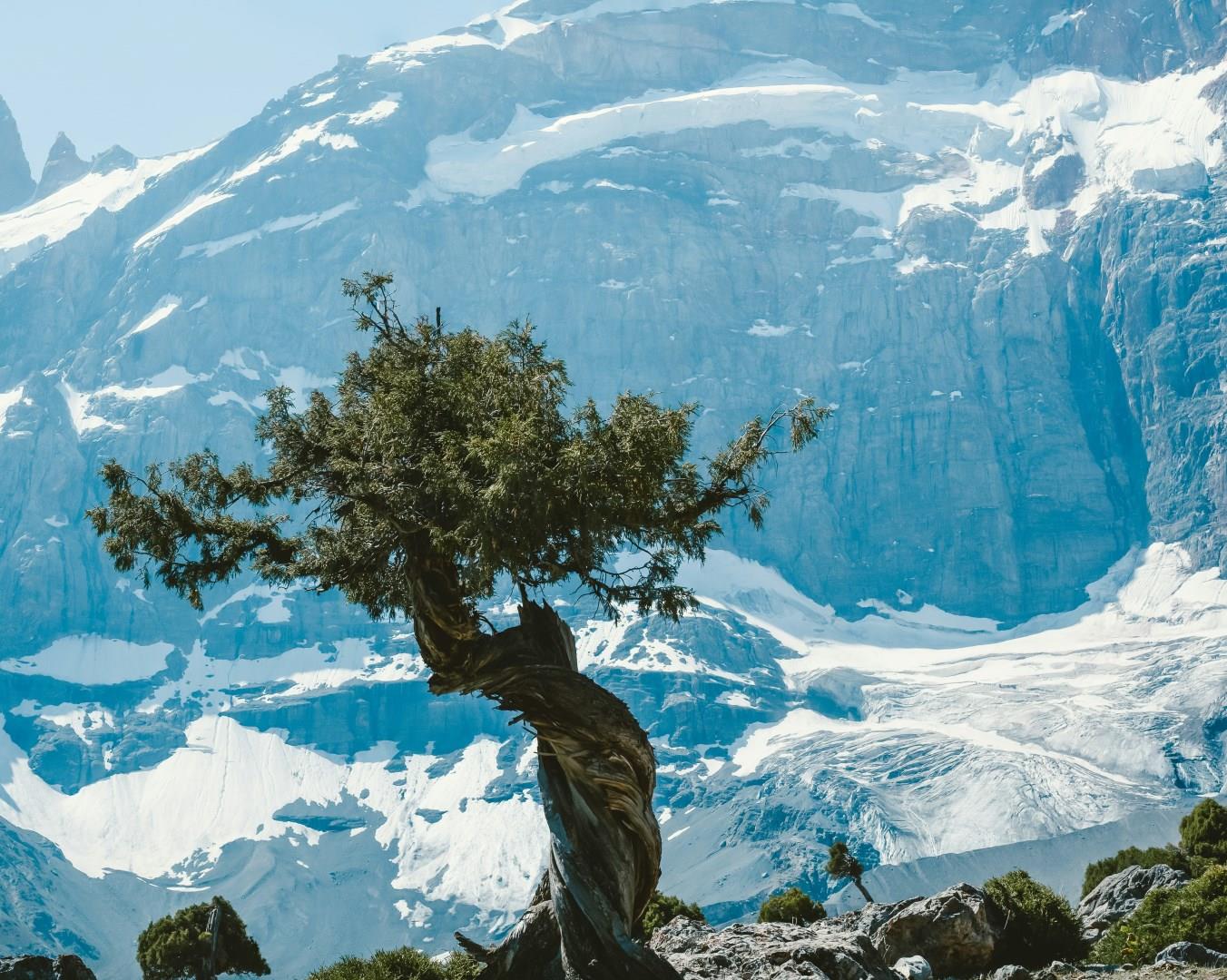
Tajikistan, a landlocked country in Central Asia, is defined by its dramatic mountain landscapes, including the towering Pamir and Fann ranges. These rugged peaks and deep valleys create a striking backdrop for ancient Silk Road sites and traditional villages, reflecting the country’s historical importance as a crossroads of cultures.
Perched on the southern coast of Iceland, the quaint village of Vík í Mýrdal, or simply Vík, is a destination that defies expectations with its dramatic landscapes and unique charm. Known as Iceland’s southernmost village, Vík is famed for its striking black sand beach, Reynisfjara, consistently ranked among the most beautiful non-tropical beaches in the world.
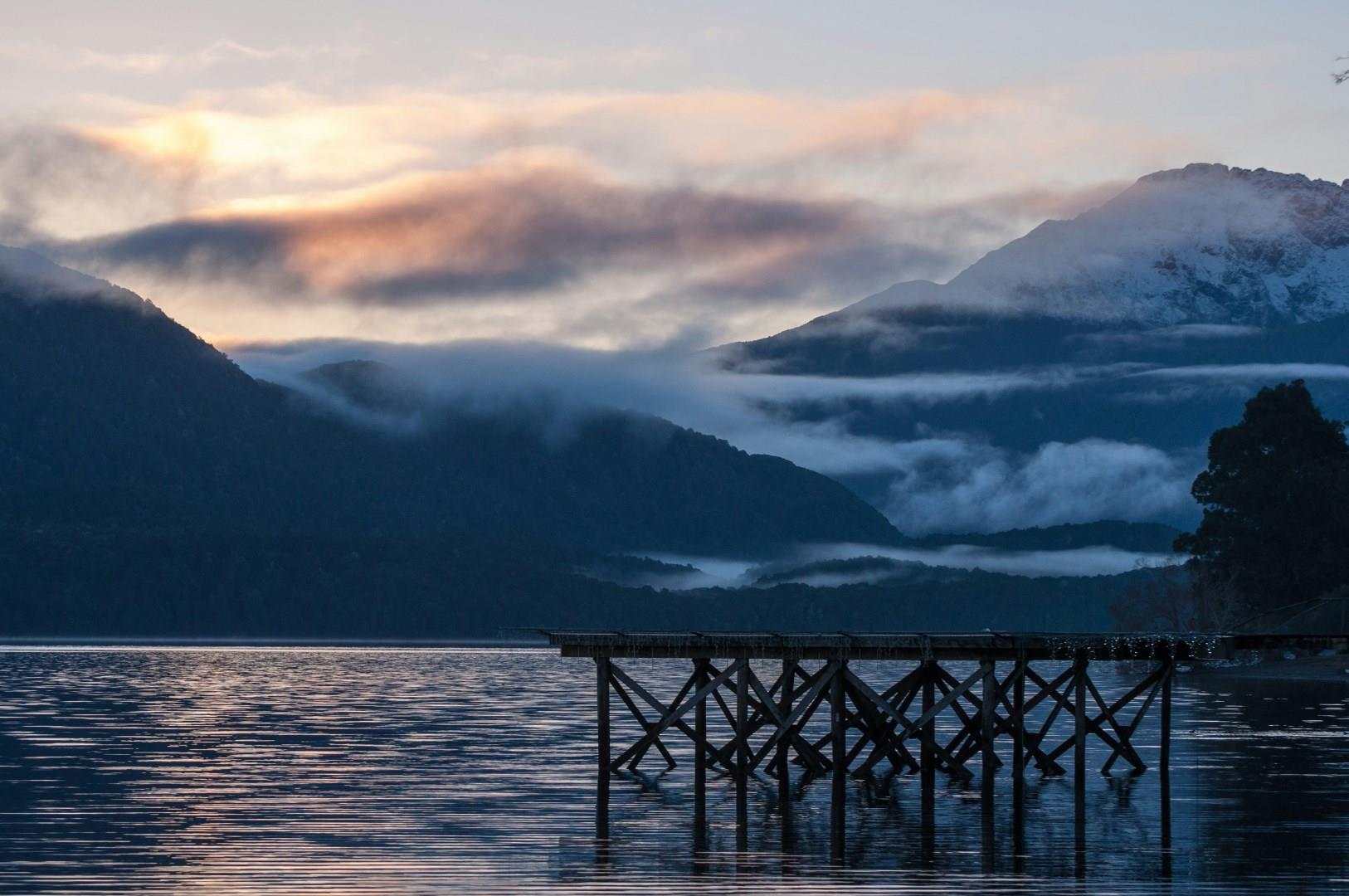
Te Anau sits on the edge of New Zealand’s second-largest lake, acting as the unofficial gateway to Fiordland National Park. While it’s often viewed as a starting point for trips to Milford Sound, the town itself offers a slower, more scenic way to experience the South Island’s dramatic landscapes. Te Anau’s lakefront is a mix of walking paths, local birdlife, and wide-open views across snow-dusted peaks.
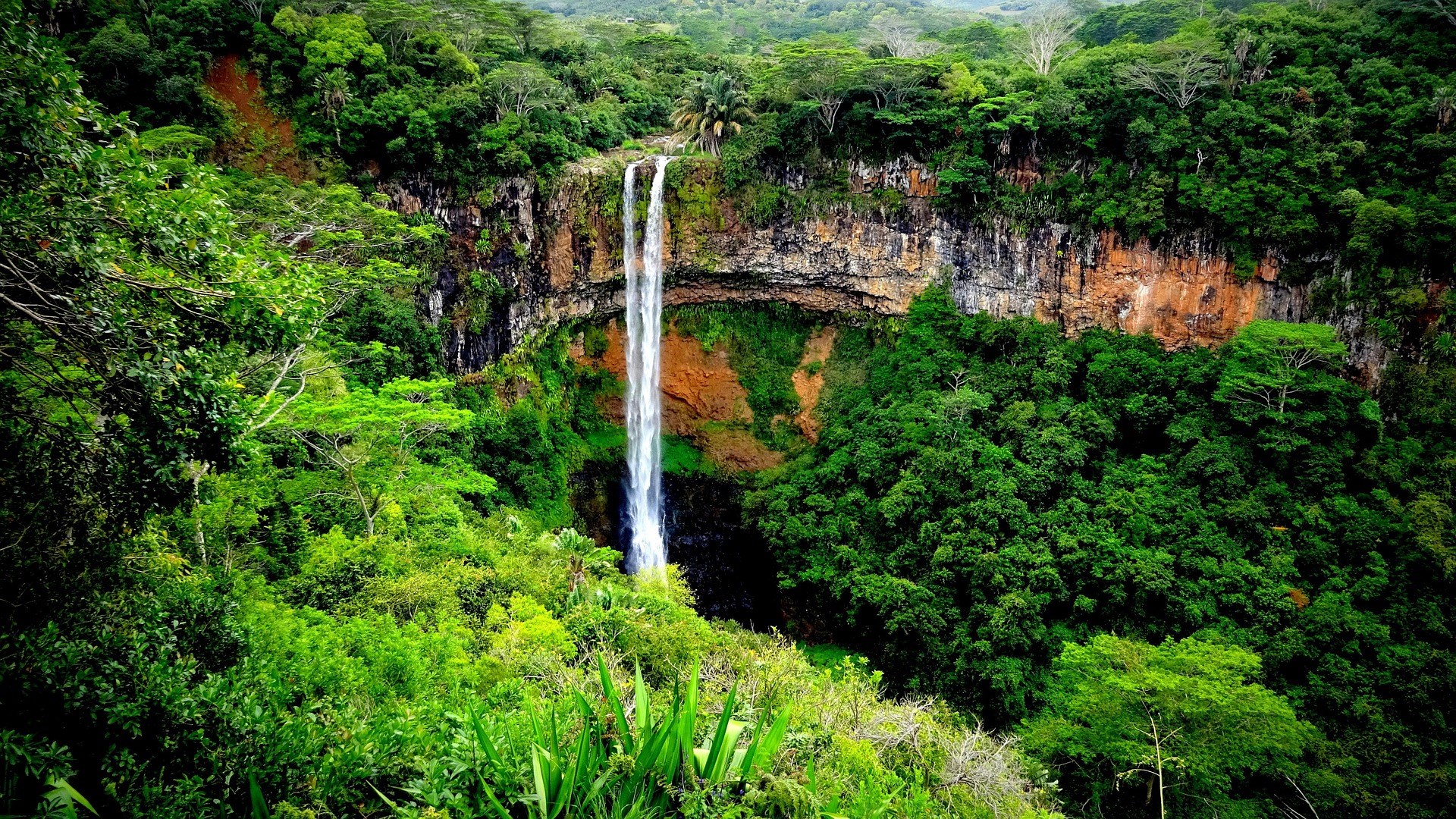
Chamarel is a mountain village in southwestern Mauritius, surrounded by forested slopes, volcanic terrain, and agricultural land. Its elevated position gives the area a cooler, wetter setting than much of the coast, while its location near Black River Gorges National Park places it within one of the island’s main protected landscapes.
Harpers Ferry is a small historic town in West Virginia's eastern panhandle, positioned where the Potomac and Shenandoah rivers meet within a gap in the Blue Ridge Mountains. Much of the community is preserved within Harpers Ferry National Historical Park, where narrow streets, historic buildings, river views, and wooded slopes create a setting closely tied to the landscape. The town is known for its role in American history, but its location also makes it a destination for hiking, climbing, fis
Photo Credit: Image by Michelle Maria from Pixabay
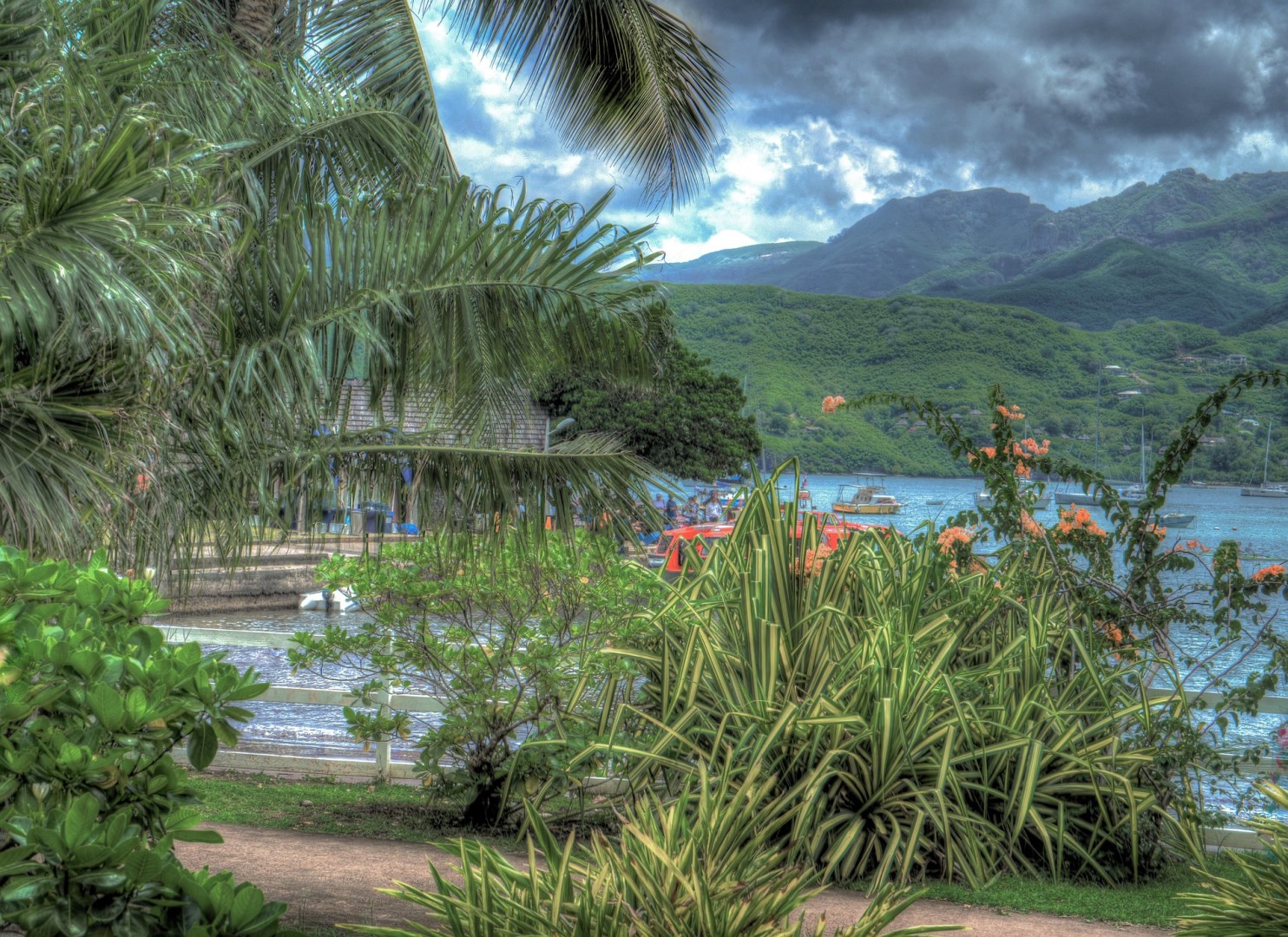
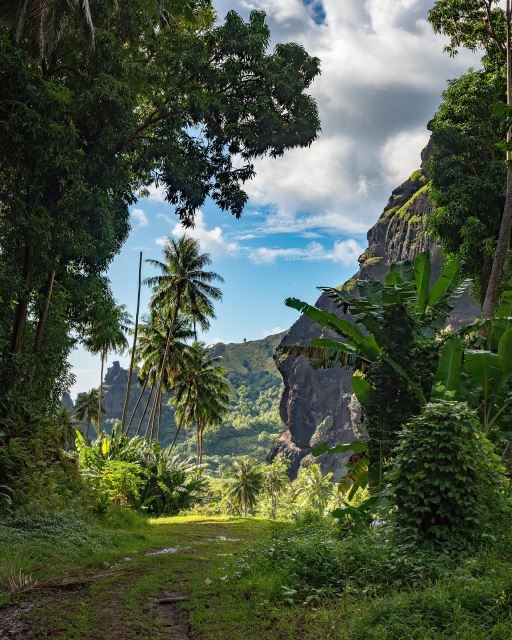
Nuku Hiva, the largest island in the Marquesas archipelago, offers an unparalleled escape into Polynesian paradise. This rugged island is renowned for its dramatic landscapes, characterized by lush valleys, towering cliffs, and volcanic peaks. The island's natural beauty is showcased in attractions like the Hatiheu Bay, with its stunning coastal scenery and vibrant marine life. The bay is a fantastic spot for boat excursions and snorkeling, allowing visitors to immerse themselves in the rich underwater world of the South Pacific.
A journey through Nuku Hiva reveals its rich cultural heritage. The island is home to several ancient Polynesian sites, including the impressive Taputapuātea, an archaeological complex featuring ancient stone platforms and ceremonial structures. These sites provide a glimpse into the island's pre-European history and are a testament to the Marquesas’ deep cultural roots.
Adventure seekers will find much to explore in Nuku Hiva's diverse terrain. Trekking enthusiasts can tackle the Vaipo Waterfall, one of the tallest waterfalls in the Pacific, cascading from a height of over 350 meters (1,150 feet). The hike to the waterfall offers breathtaking views and a rewarding splash in the natural pool below.
Fun fact: Nuku Hiva is the setting for the 19th-century novel "Typee" by Herman Melville, which was inspired by the author's experiences on the island. This literary connection adds an intriguing layer to your visit, connecting you to a piece of literary history.
Other Popular Destinations in Marquesas Islands
Hiva Oa
Hiva Oa, one of the most enchanting islands in the Marquesas archipelago, is a destination where natural beauty and cultural richness converge. Known as the “Garden of the Marquesas,” Hiva Oa is a lush, verdant paradise, dotted with towering cliffs, deep valleys, and an endless array of tropical flora
Fatu Hiva
Fatu Hiva, the southernmost of the Marquesas Islands, is a destination that feels like stepping back in time to a world untouched by modernity. This remote island is known for its breathtaking landscapes, where lush, verdant mountains rise dramatically from the deep blue sea.