Uluru
Located in Australia's Northern Territory, Uluru is an iconic sandstone formation and UNESCO World Heritage site. This red rock monolith, believed to be over 500 million years old, has been considered sacred by Australia's indigenous peoples for thousands of years and is one of the country's most well-known natural landmarks. This spiritual destination will astound you at sunrise and sunset, when the warm sunlight turns Uluru to deep hues of red and orange.

Cayman Islands
The Cayman Islands, a trio of tropical gems in the western Caribbean, are renowned for their crystalline waters, coral reefs, and relaxed island lifestyle. Grand Cayman, the largest, is home to the famous Seven Mile Beach, a stretch of soft white sand fringed by turquoise seas.
La Palma
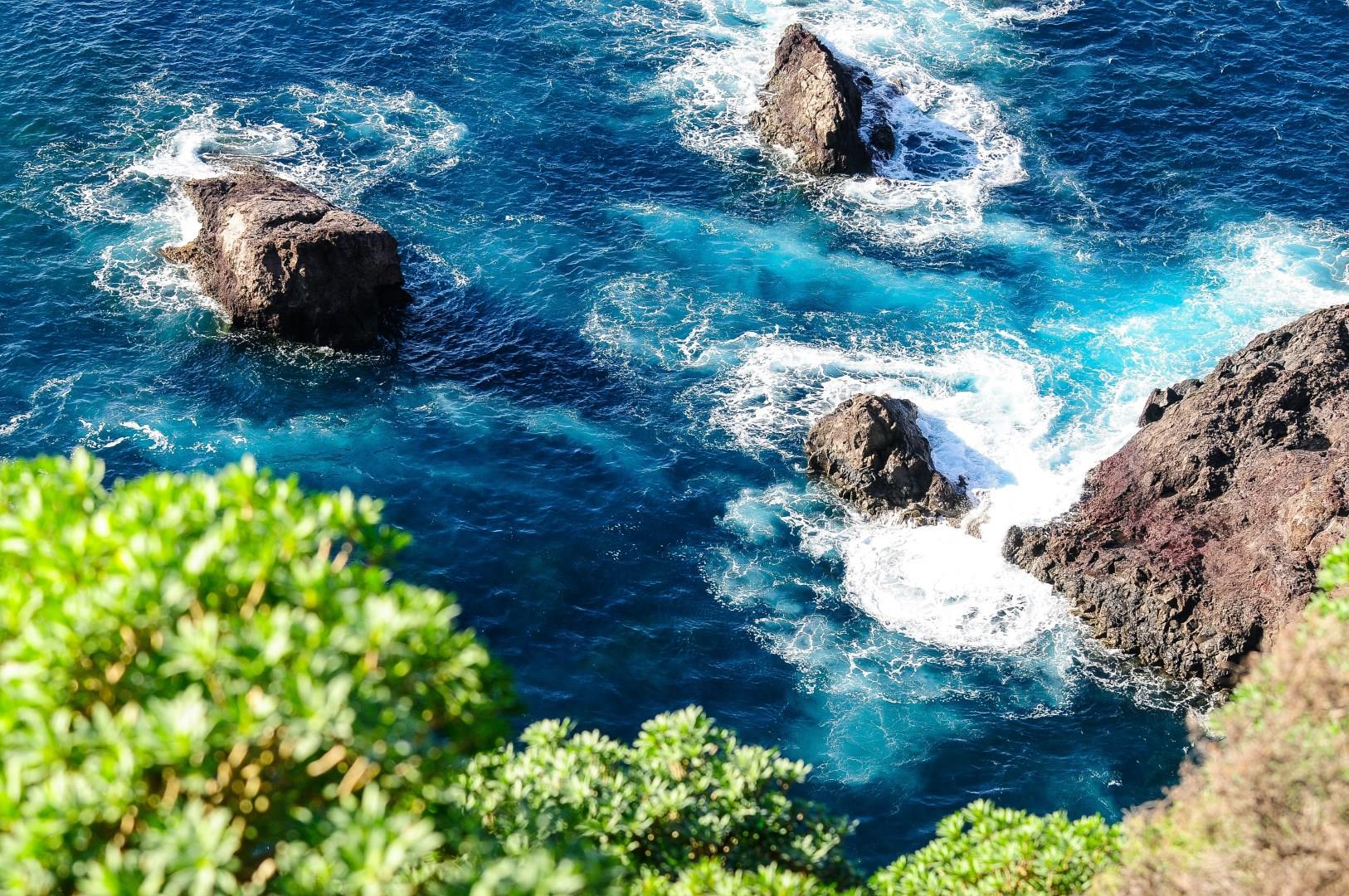
La Palma (also San Miguel de La Palma) is the fifth of Spain's Canary Islands. This mountainous volcanic island is a natural wonder of tropical vegetation. Its coast is lined by jagged cliffs and plunging ravines, and its beaches are covered with black sand. Thanks to dry climate and the height of its mountains creating excellent observation conditions, La Palma has become the home of some of the world's largest telescopes, seated on the rocky ridge called El Roque de los Muchachos.
Sokcho-si
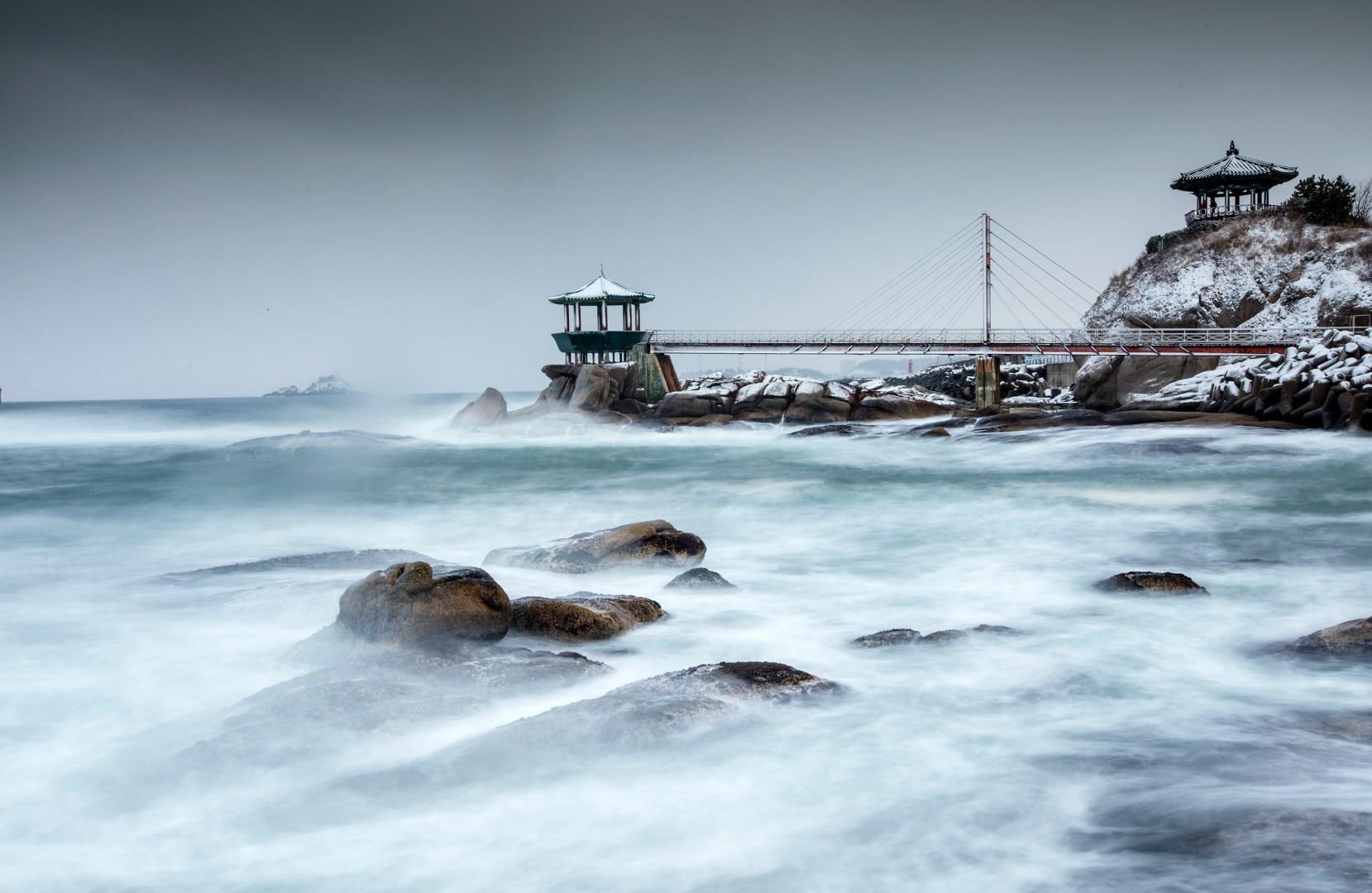
Sokcho-si is a coastal city in northeastern South Korea where the East Sea meets rugged mountains, giving it a maritime and outdoor character.
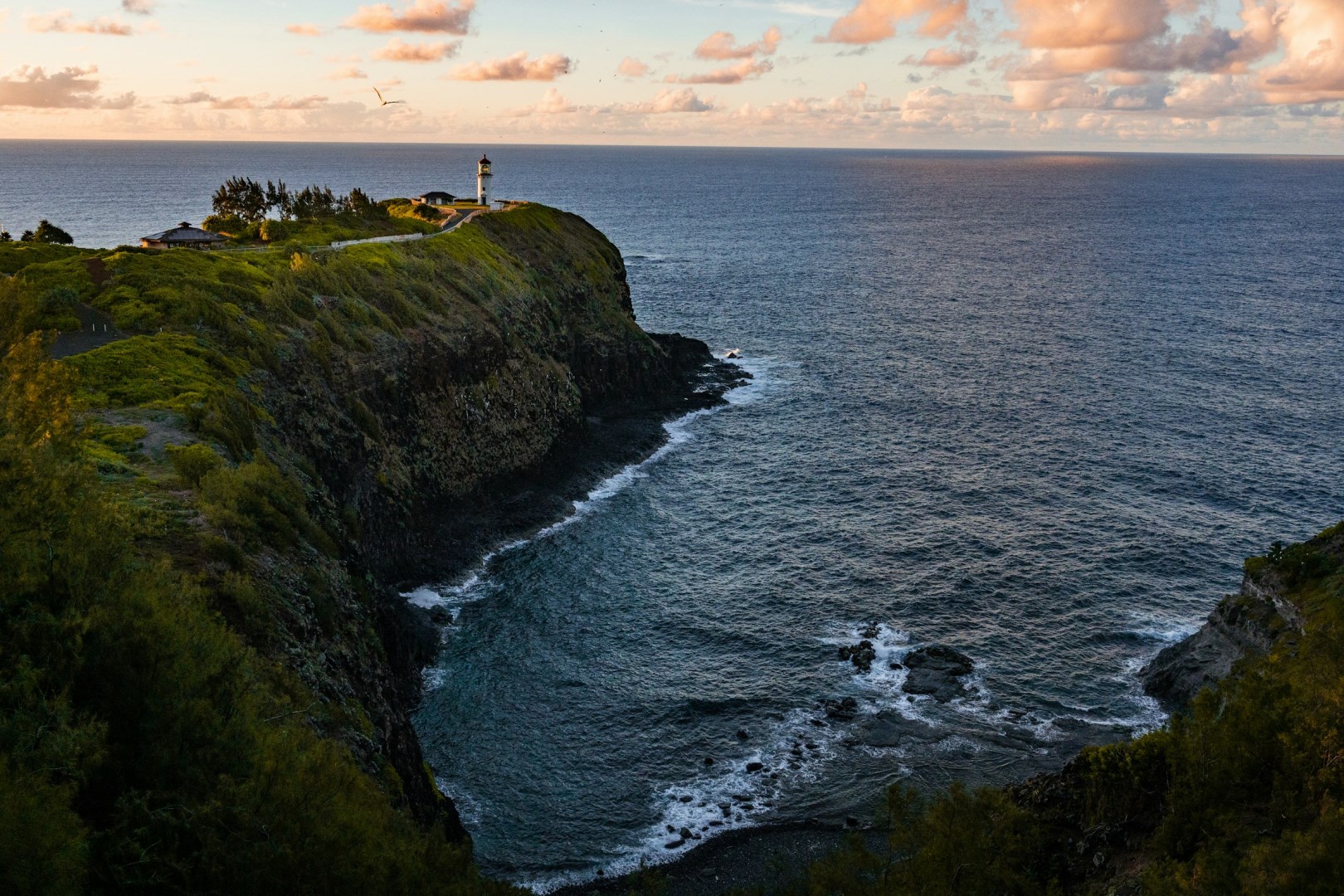
Kilauea, Hawaii
Kilauea is the world's largest active volcanic mass, located southeastern Hawaii Island. The central feature of Hawaii Volcanoes National Park is an elongated dome built of lava eruptions from a central crater and from lines of craters extending along east and southwest riffs or fissures.