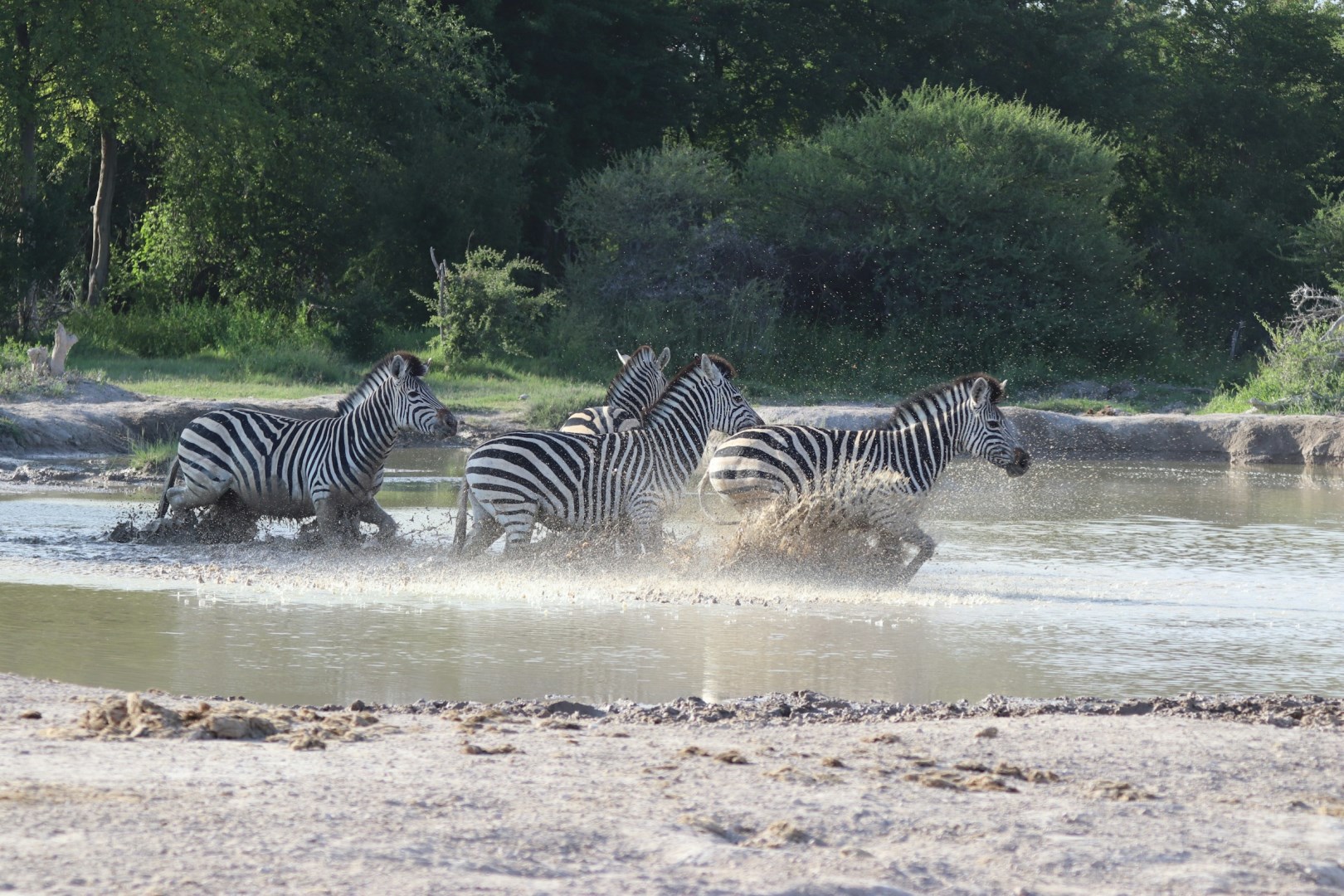
Nxai Pan National Park lies in northern Botswana as part of the wider Makgadikgadi pans landscape, covering about 2,100 square kilometers of grass-covered pans, acacia woodland, and open plains. The park occupies former salt lakes within the ancient Makgadikgadi basin, and its character changes significantly with rainfall.
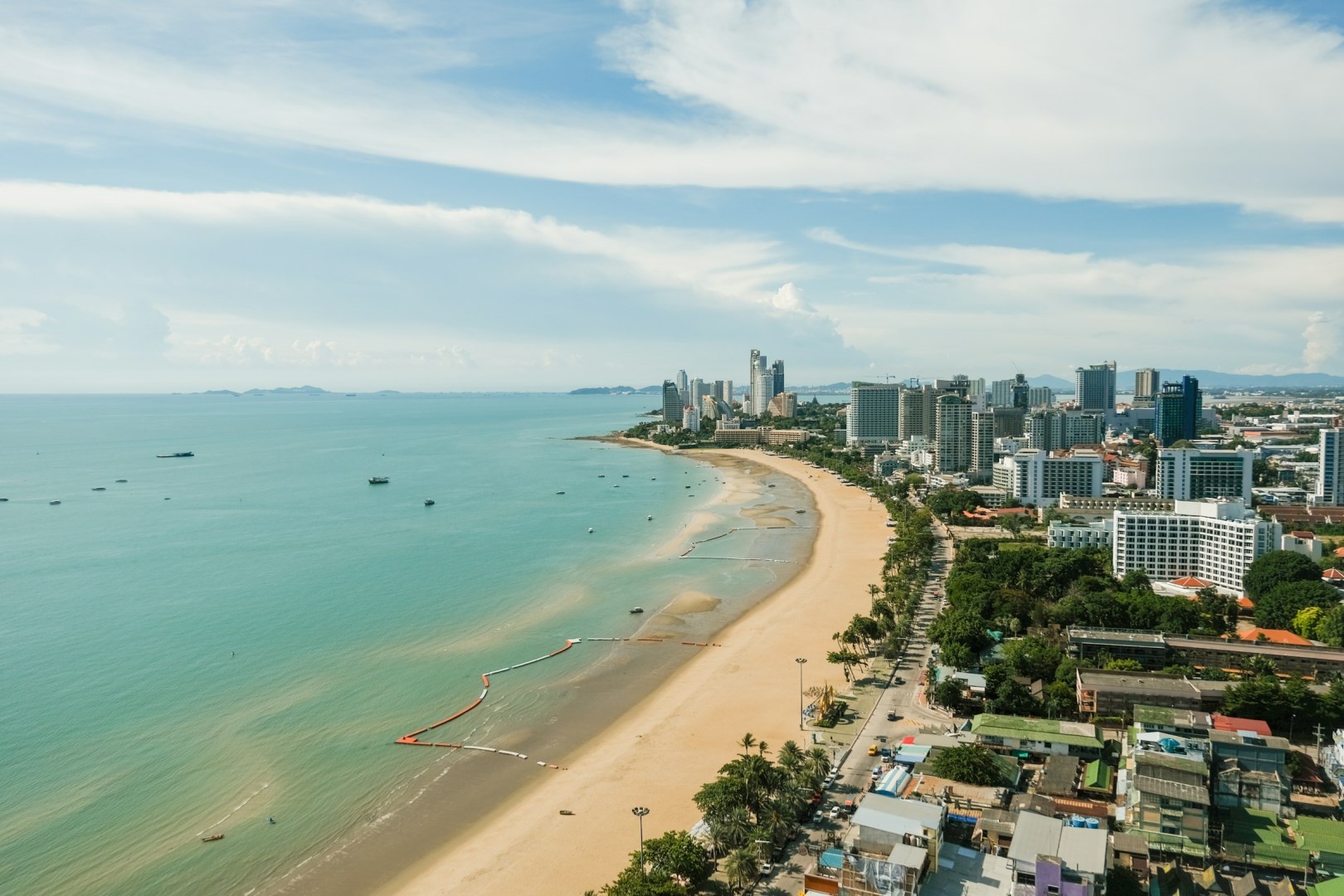
Pattaya is a coastal city in Chon Buri Province on Thailand's eastern Gulf coast, within easy reach of Bangkok. It developed from a small fishing community into a major seaside urban center, and today its landscape includes beaches, a busy waterfront, hotels, shopping areas, residential neighborhoods, and entertainment districts. Pattaya Beach forms the central shoreline, while Jomtien Beach extends south of the city and provides a more spacious coastal setting.
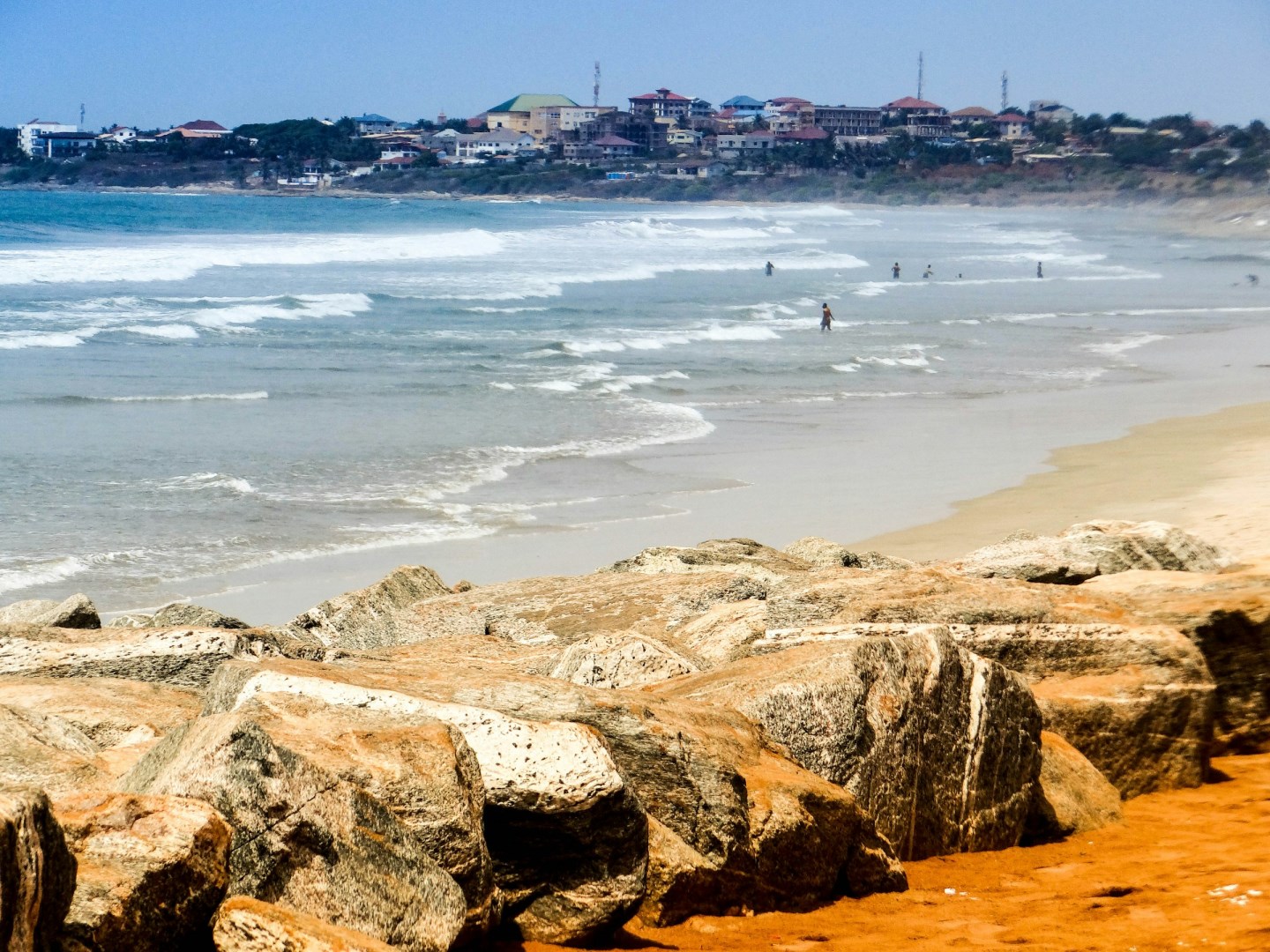
Tema, a vibrant city in Ghana's Greater Accra Region, offers a captivating blend of urban energy and coastal charm. As Ghana’s largest port city, Tema is a hub of economic activity, but it also boasts rich cultural and recreational attractions. The city's Harbour is one of the busiest in West Africa, facilitating significant maritime trade. Visitors can explore the port area, which provides insight into Ghana’s commercial and industrial sectors.
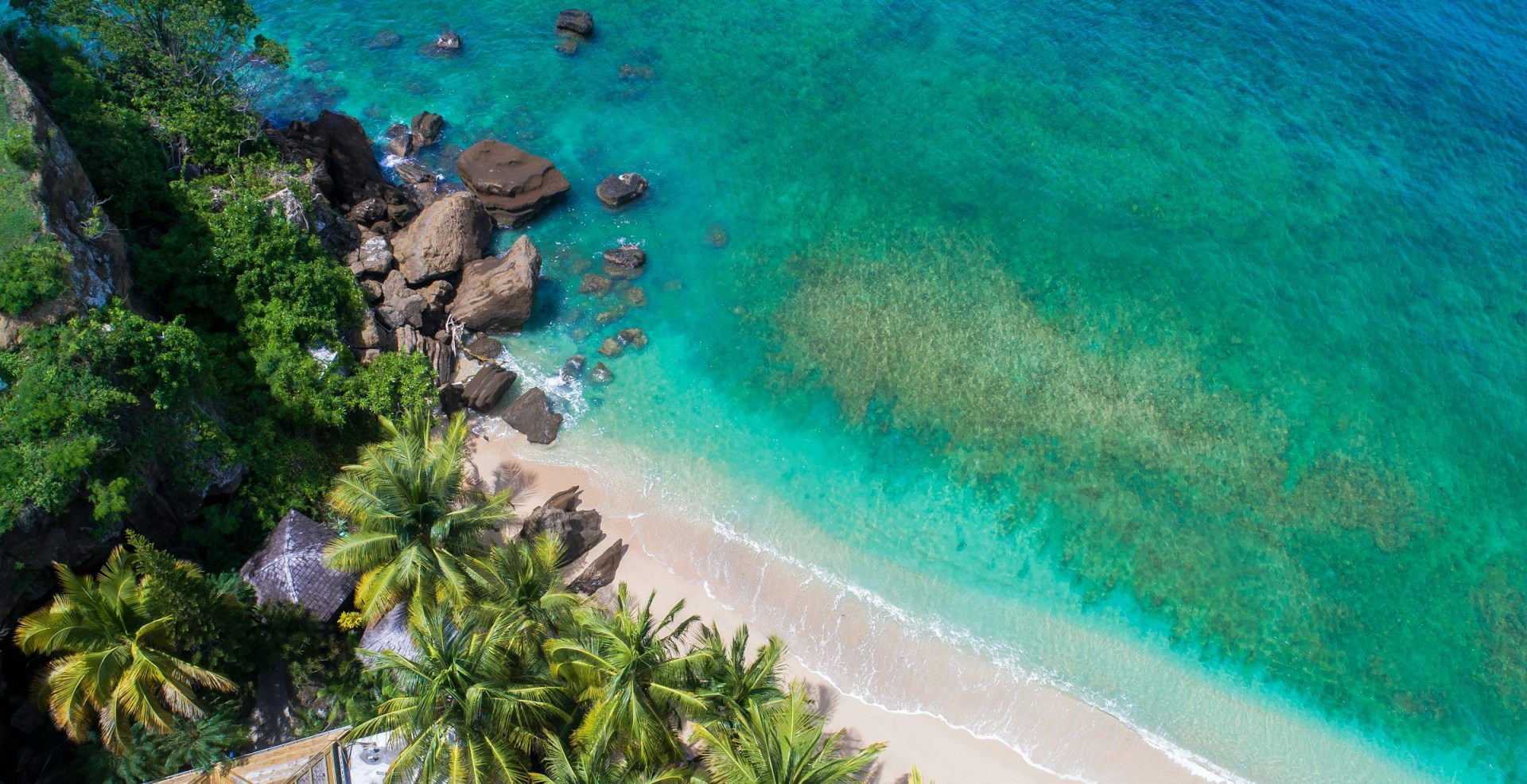
You'll know why picturesque Grenada is known as the "spice island" when you notice the scent of nutmeg, vanilla and cocoa in the air. Grenada's waterfalls, lush rain forests, volcanic crater lake, tiny villages, cocoa, nutmeg and banana plantations, rum distilleries, scenic hiking trips, pristine coral reefs, and hidden-away unspoiled beaches all make Grenada one of the most popular ecotourism destinations for those who like to discover off-the-beaten-track natural beauty and charm.
This 2,000-year-old city, where the Teutonic Order founded one of its first commanderies in the 13th century, lies on the convergence of the Moselle and Rhine Rivers. Hop on a cable car, one of the city's most popular attractions, for stunning city-wide views, or cruise down the Rhine to spot some of Koblenz's magnificent fortresses and castles, including the Ehrenbreitstein Fortress and Schloss Stolzenfels.
Canyonlands National Park, located in southeastern Utah, offers an awe-inspiring landscape of deep canyons, rugged mesas, and striking rock formations. This vast park is divided into four districts: Island in the Sky, the Needles, the Maze, and the Rivers. Each district showcases its own unique geological features and breathtaking vistas. The Island in the Sky district provides panoramic views from its high mesa, including breathtaking vistas of the Colorado and Green Rivers.
Adventure seekers and nature enthusiasts will find much to explore in the Needles district, renowned for its colorful spires and challenging hiking trails. The Chesler Park trail, for example, leads hikers through a surreal landscape of rock formations and expansive views. The Maze district, characterized by its remote and intricate terrain, offers some of the most challenging off-road and hiking opportunities in the park.
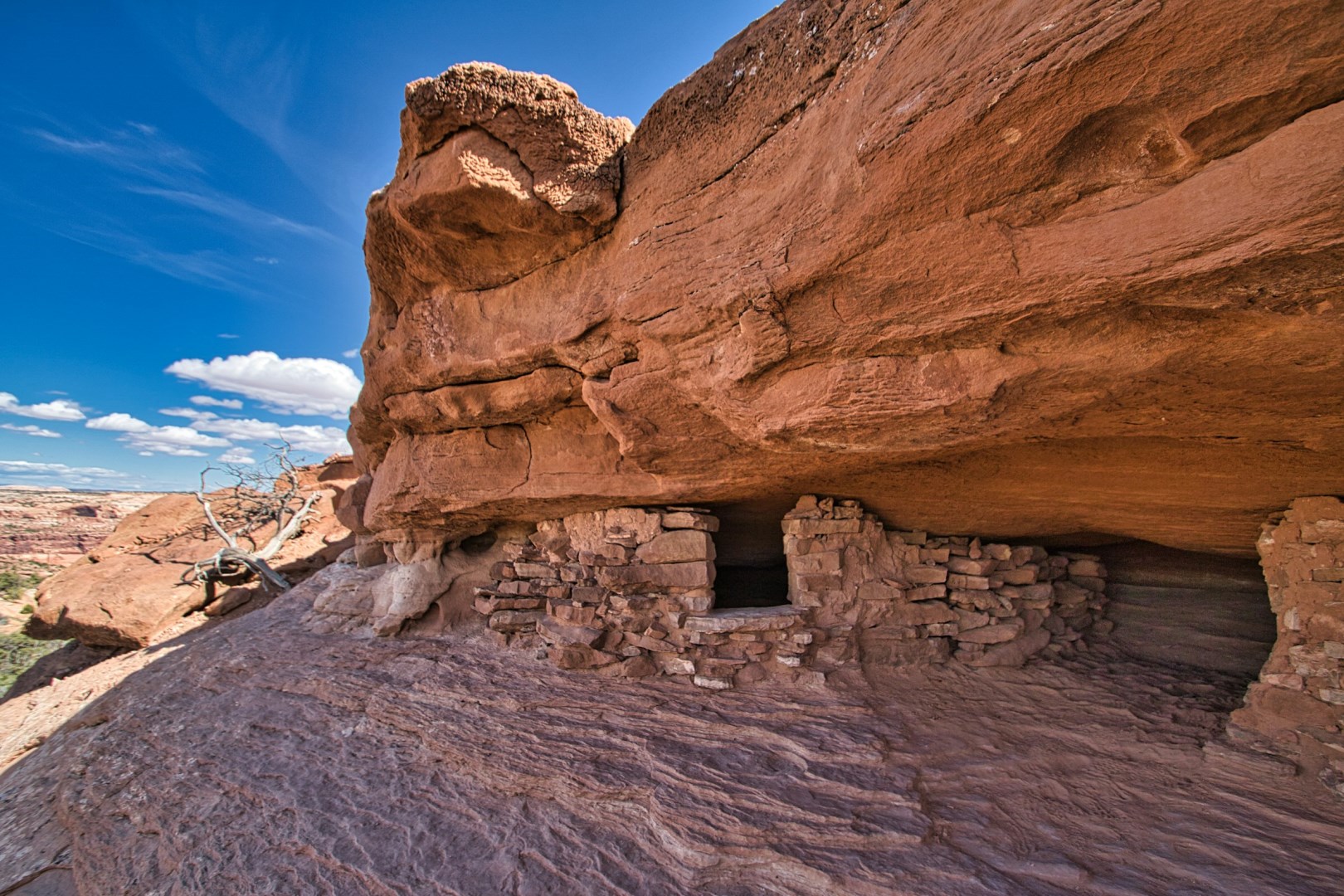
For those interested in river adventures, the confluence of the Colorado and Green Rivers is a prime spot for river rafting and kayaking. The park’s diverse ecosystems support a variety of wildlife, including desert bighorn sheep and golden eagles. Additionally, visitors can explore ancient rock art and ruins left by the Ancestral Puebloans, adding a rich cultural dimension to their visit.
Fun Fact: Canyonlands National Park is home to the famous "Upheaval Dome", a mysterious geological formation whose origin remains debated among scientists. It’s believed to be either an ancient meteorite impact crater or a salt dome intrusion .
Other Popular Destinations in Utah
Bryce Canyon
Bryce Canyon, tucked into the high plateaus of southern Utah, offers one of the most unusual landscapes in the American Southwest. It’s not actually a canyon but a series of natural amphitheaters carved into the edge of the Paunsaugunt Plateau. What makes Bryce unique is its dense collection of hoodoos which are tall, thin spires of rock formed over millions of years by frost-wedging and erosion.
Zion National Park
Zion National Park, located in southwestern Utah, is known for its massive sandstone cliffs, narrow slot canyons, and unique desert ecosystems. Established in 1919, it was Utah’s first national park and continues to attract visitors with its dramatic elevation shifts and striking rock formations. The park’s most iconic feature, Zion Canyon, stretches for 15 miles and reaches depths of up to 2,640 feet, carved over time by the Virgin River.