Ilulissat
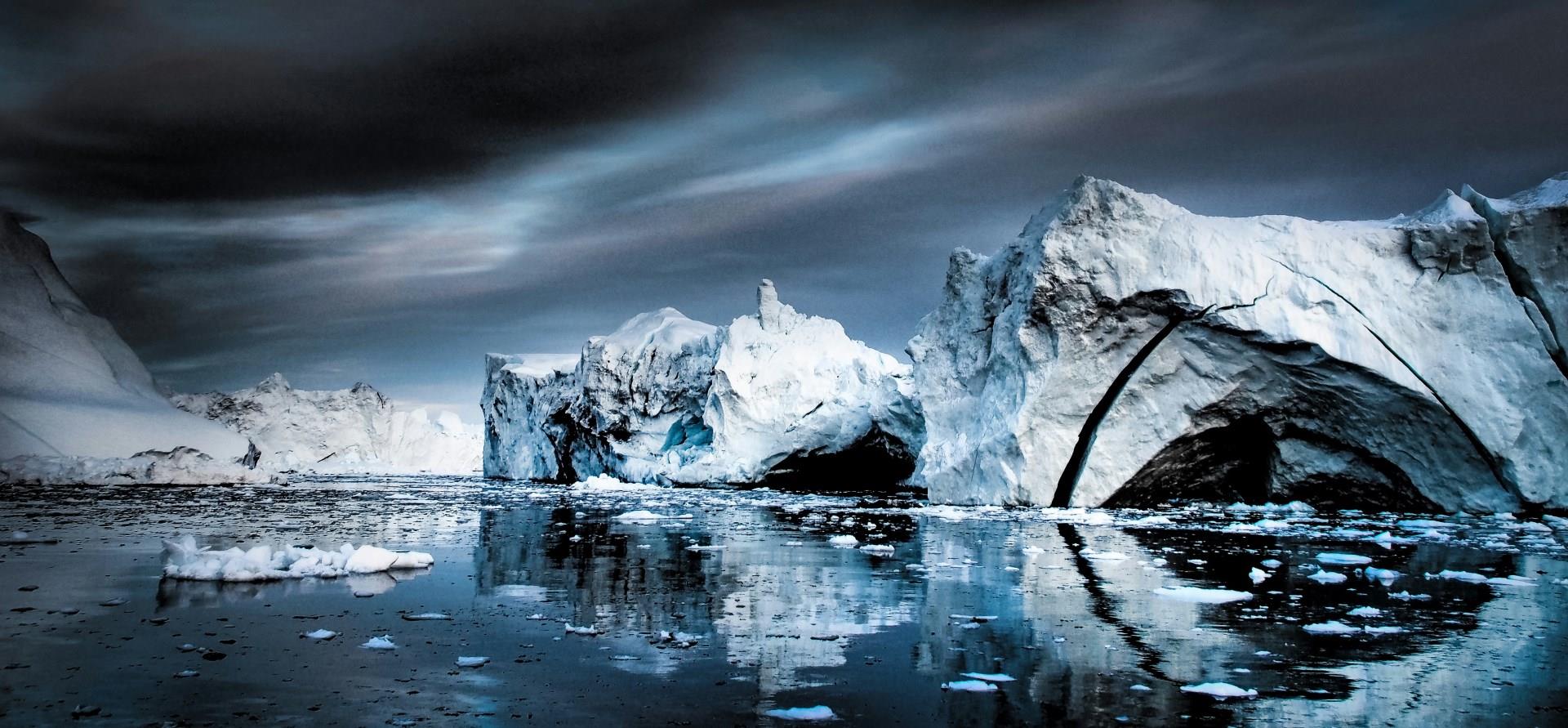
On Greenland’s west coast, Ilulissat (once known as Jakobshavn) welcomes travelers with astonishing ice scenery and a sense of scale that feels almost otherworldly. The town sits beside Disko Bay, where immense icebergs drift silently past, glowing pink and gold in the Arctic light. The name “Ilulissat” means “icebergs,” and it could not be more fitting. Here, every turn toward the sea offers a fresh view of towering ice forms, each one sculpted by nature into something fleeting and beautiful.

Monastir
Monastir, a coastal gem in Tunisia, offers a perfect blend of history, culture, and sun-soaked relaxation. Overlooking the azure waters of the Mediterranean Sea, the city is famous for its majestic Ribat, a well-preserved Islamic fortress dating back to 796 AD. This imposing structure, used historically to defend against Byzantine and European invaders, offers visitors panoramic views of the coastline and the city below.

Gdansk
Gdańsk, a vibrant port city on Poland's Baltic coast, is a hidden gem that seamlessly blends rich history with modern charm. As the largest city in northern Poland, Gdańsk has a unique identity shaped by centuries of trade, political turmoil, and cultural exchange. The city's Old Town is a feast for the eyes, with its beautifully reconstructed buildings that harken back to its Hanseatic glory days.
Crater Lake National Park
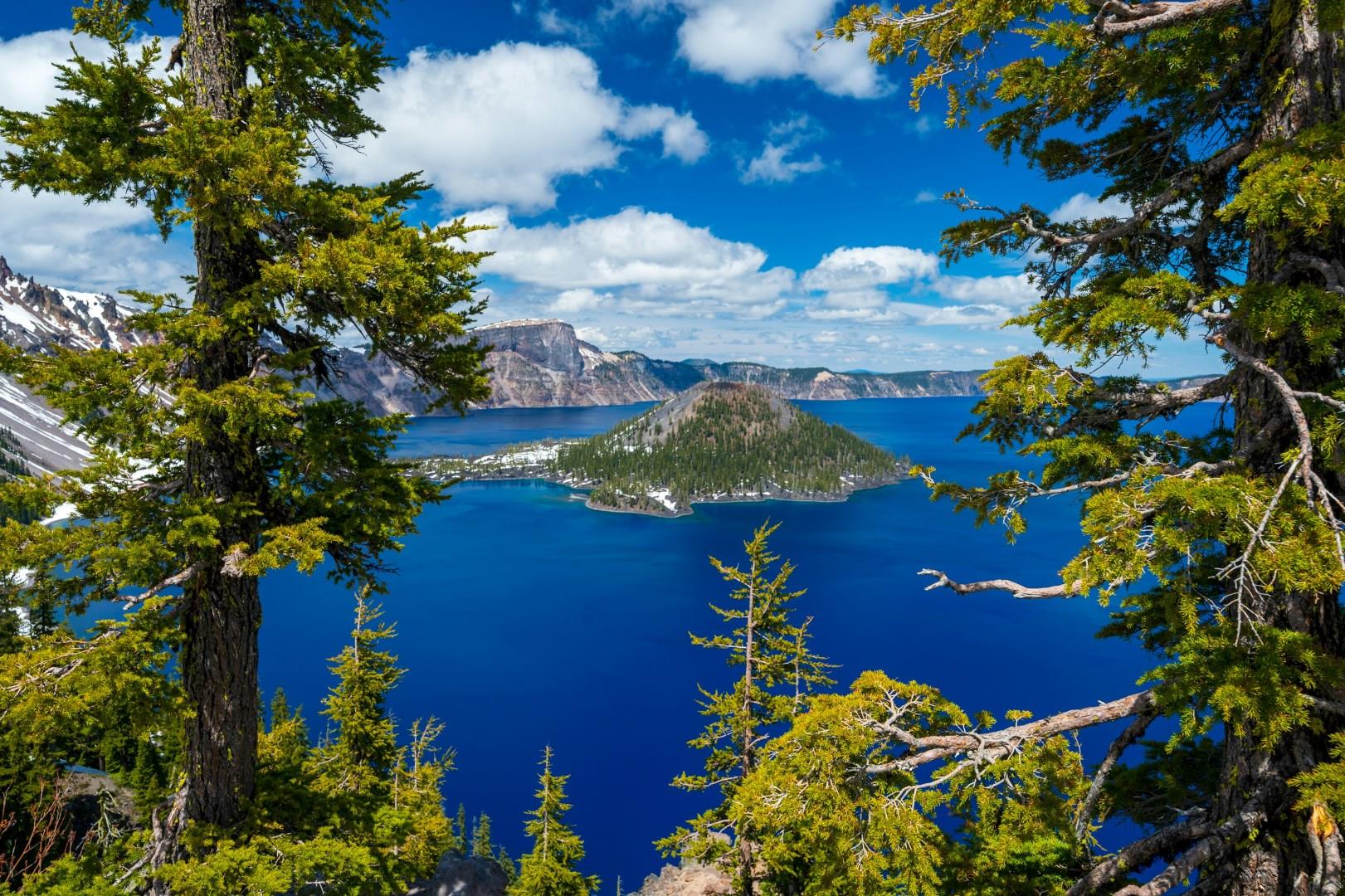
Crater Lake National Park, Oregon, offers a breathtaking display of natural beauty centered around the deepest lake in the United States. Formed by the collapse of a volcanic caldera, Crater Lake is renowned for its stunningly clear blue waters, which are the result of rain and snowfall filling the caldera. The lake's unique color and clarity are due to its depth and the purity of its water, making it a visual marvel that attracts visitors year-round.

Ullapool
Ullapool is a village in the Scottish Highlands about 65 miles north-west of Inverness. Ullapool is known for the progressive, ecologically sound practices of its inhabitants and is the center for the Highland Environment Centre; a project of the Highland Eco Trust.