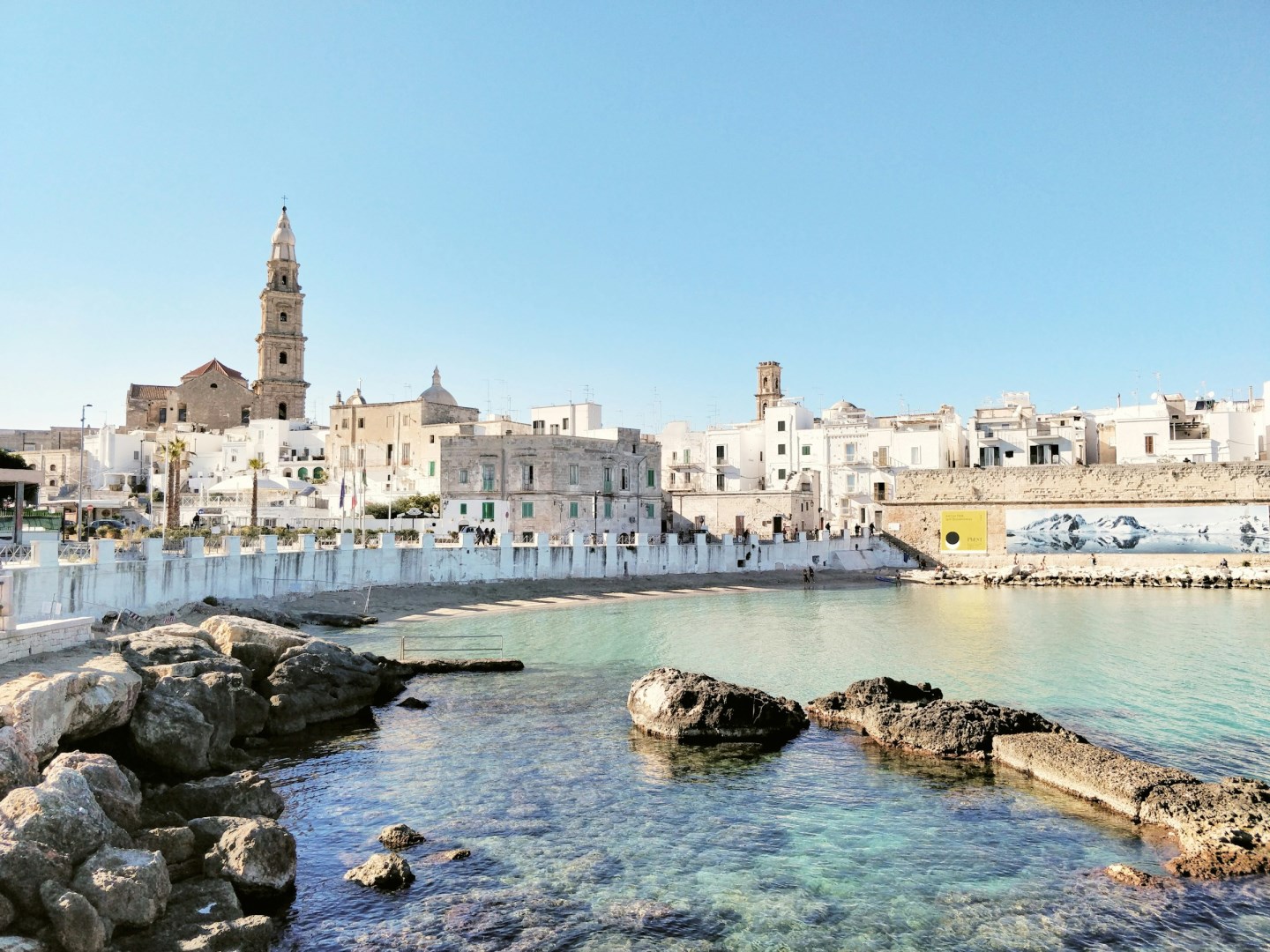
Monopoli is a coastal town in Puglia, on the Adriatic Sea, with a historic center built around a small natural harbor. Its old town is enclosed by defensive walls and bastions, while narrow lanes lead between whitewashed houses, churches, courtyards, and small squares. The waterfront remains closely connected to local life, with fishing boats gathered around the harbor and beaches extending along the coast outside the historic center.
Isabela Island is the largest of the Galapagos islands, on the western end of the archipelago. Shaped like a seahorse when viewed from above, Isabella is home to more wild tortoises than any other island, as well as a wide variety of other animal, bird and marine life.
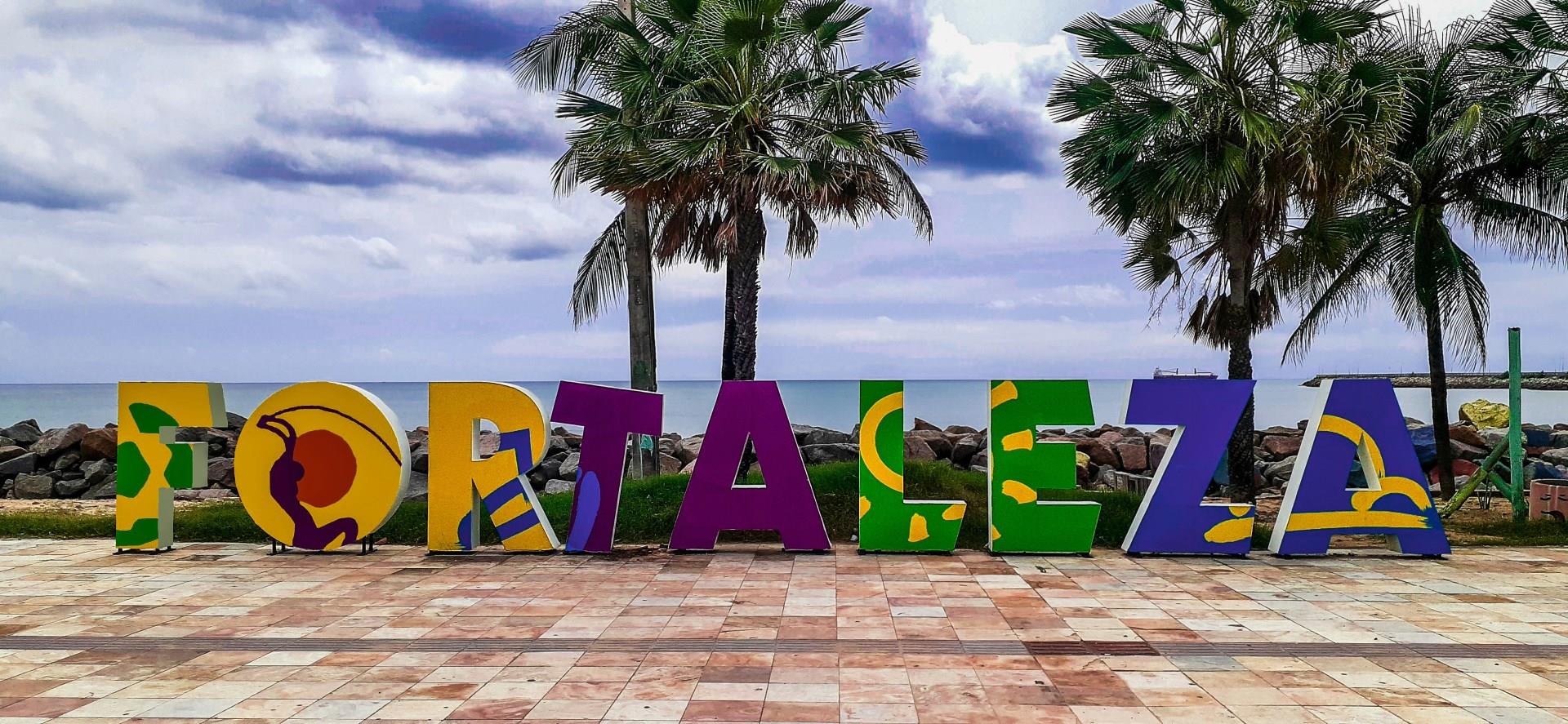
Fortaleza, on Brazil’s northeastern Atlantic coast, greets visitors with wide sandy beaches that stretch for miles along warm, blue water. Beyond the city’s shoreline, dramatic dunes and inviting waters make Fortaleza an ideal base for exploring nearby beach towns like Cumbuco and Canoa Quebrada, each with its own rhythms and landscapes.
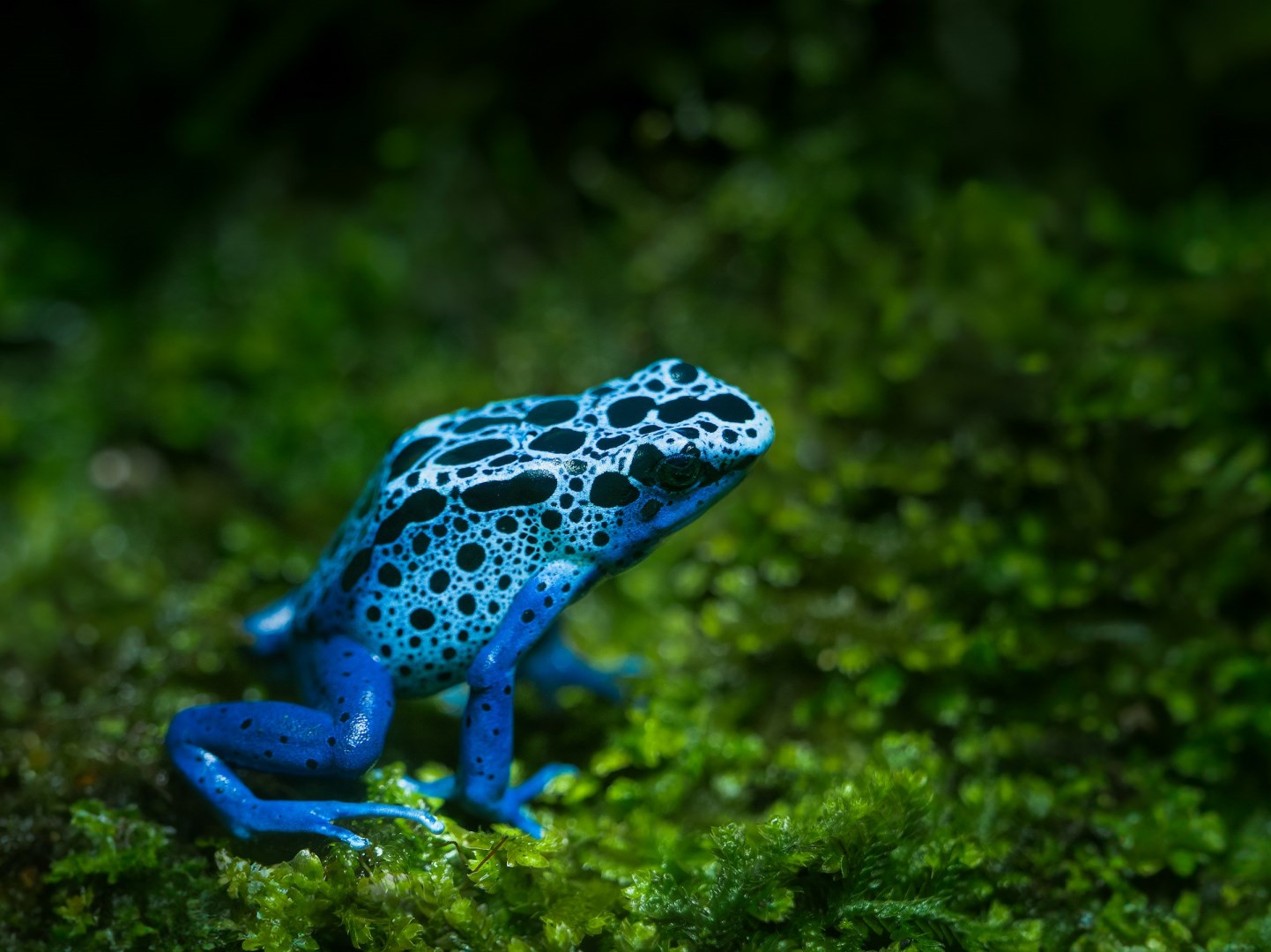
Suriname’s forests cover more than nine‑tenths of the country and house an astounding array of wildlife. The Central Suriname Nature Reserve, one of the largest rainforest sanctuaries on Earth, shelters jaguars, giant river otters, and hundreds of bird species. Nearer the capital, Brownsberg Nature Park offers forest trails and waterfalls amid 1,450 plant and 350 bird species, just a short drive from Paramaribo.
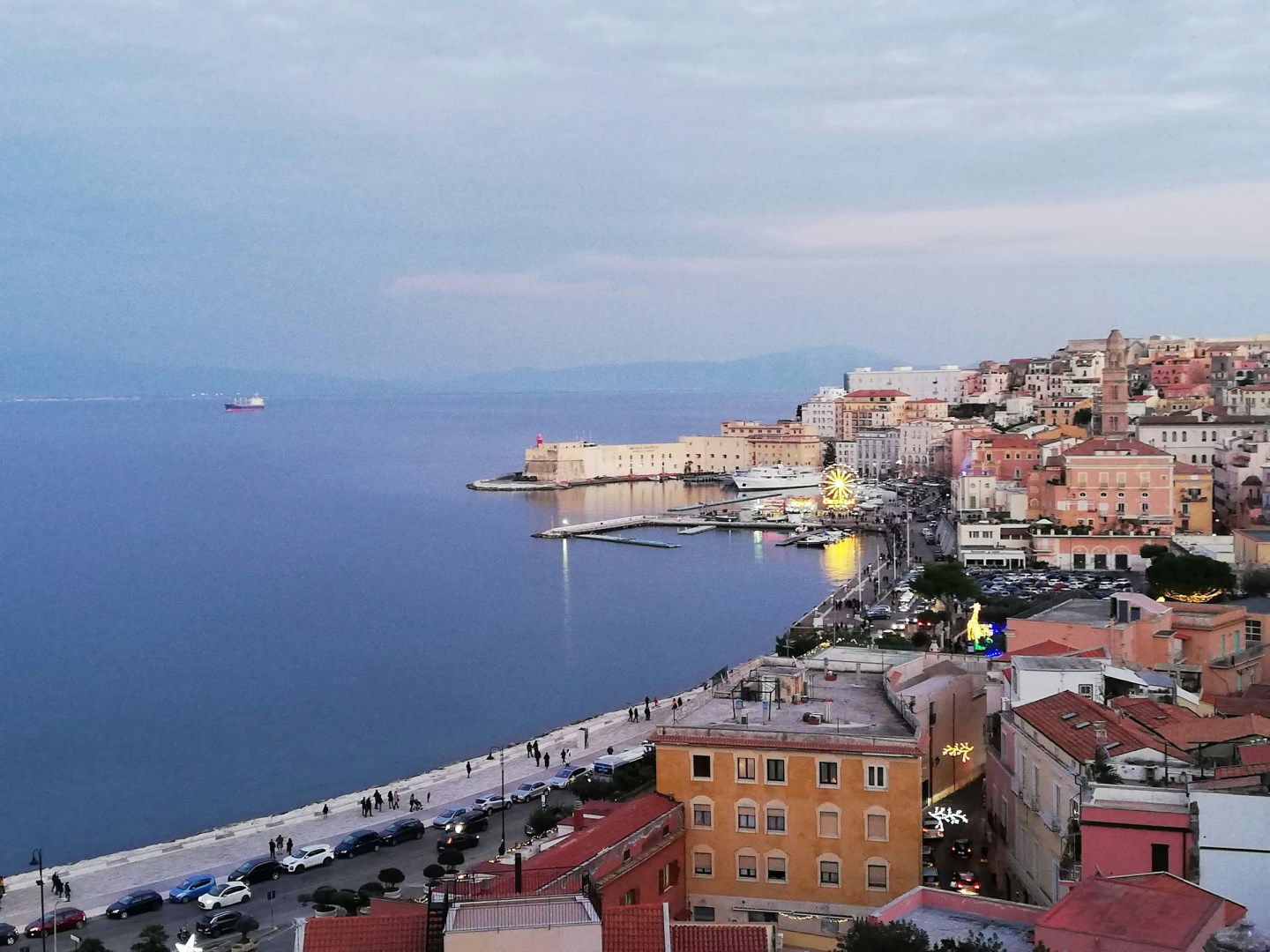
A fishing port and seaside resort in a picturesque location. The old town is dominated by a castle (7th century). The cathedral (1279) is notable for its admirable sculptures and paintings as well as its Arab-Norman bell tower. The mausoleum of Lucius Munatius Plancus, an impressive Roman monument, is cylindrical in shape and 13 meters high. The sanctuary of Montagna Spaccata is at Punta della Trinità, where you can see a chasm which is traditionally said to have opened up on the death of Jesus.
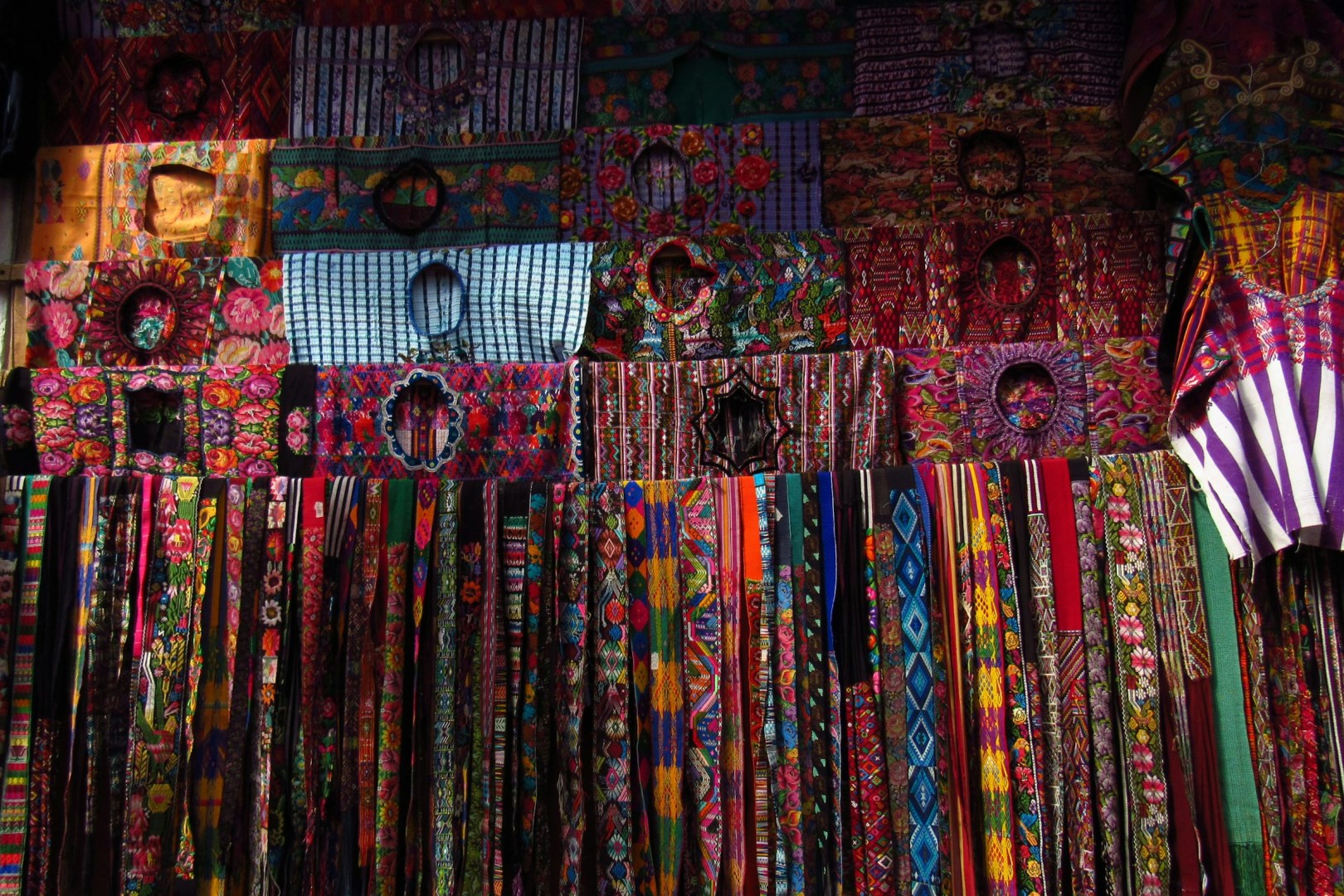
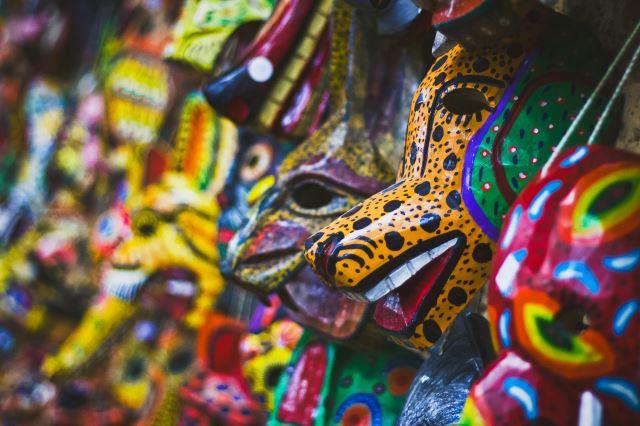
Chichicastenango, often simply called "Chichi," is a vibrant town in the highlands of Guatemala that offers an unparalleled cultural experience. Known for its lively indigenous market, which takes place every Thursday and Sunday, this bustling bazaar is one of the most famous in Central America. Here, visitors can immerse themselves in the rich tapestry of Mayan culture while browsing colorful textiles, handcrafted masks, and traditional pottery.
The town is also home to the Church of Santo Tomás, an impressive colonial-era church that stands on the site of a former Mayan temple. The church's unique architectural blend of Spanish and indigenous influences is a testament to Chichicastenango's complex history.
For those interested in the spiritual and mystical, Chichicastenango is a significant location for traditional Mayan ceremonies. Visitors can observe or participate in rituals led by local shamans, offering a profound glimpse into the spiritual practices that have persisted through centuries.
A fun fact about Chichicastenango is that its market and traditions are deeply intertwined with the surrounding natural environment. The town’s name is derived from the K'iche' Maya language, meaning "the place of the nettles," which reflects the rich flora of the region. With its vibrant market, rich history, and cultural significance, Chichicastenango offers an unforgettable journey into the heart of Guatemalan heritage.
Other Popular Destinations in Guatemala
Antigua
Antigua is a city shaped by centuries of artistry, tradition, and natural forces. Set in a highland valley and surrounded by volcanoes, its streets are lined with colorful buildings, hidden courtyards, and open-air plazas. The Santa Catalina Arch is one of Antigua’s most recognizable features, originally built as a passage between two sections of a convent. Today, it frames a dramatic view of Volcán de Agua and is a popular gathering spot for both locals and visitors.
Tikal National Park
Tikal is one of the most extraordinary ancient cities in Guatemala, hidden deep in the Petén region’s tropical forests. Once called Yax Mutal by its Maya builders, these ruins reveal thousands of years of history in carved stone stelae and towering limestone structures, some of which rise more than 60 meters above the jungle floor. Today, visitors can walk among the Great Plaza and gaze up at the Temple of the Great Jaguar and the Temple of the Masks, reminders of the city’s long legacy.