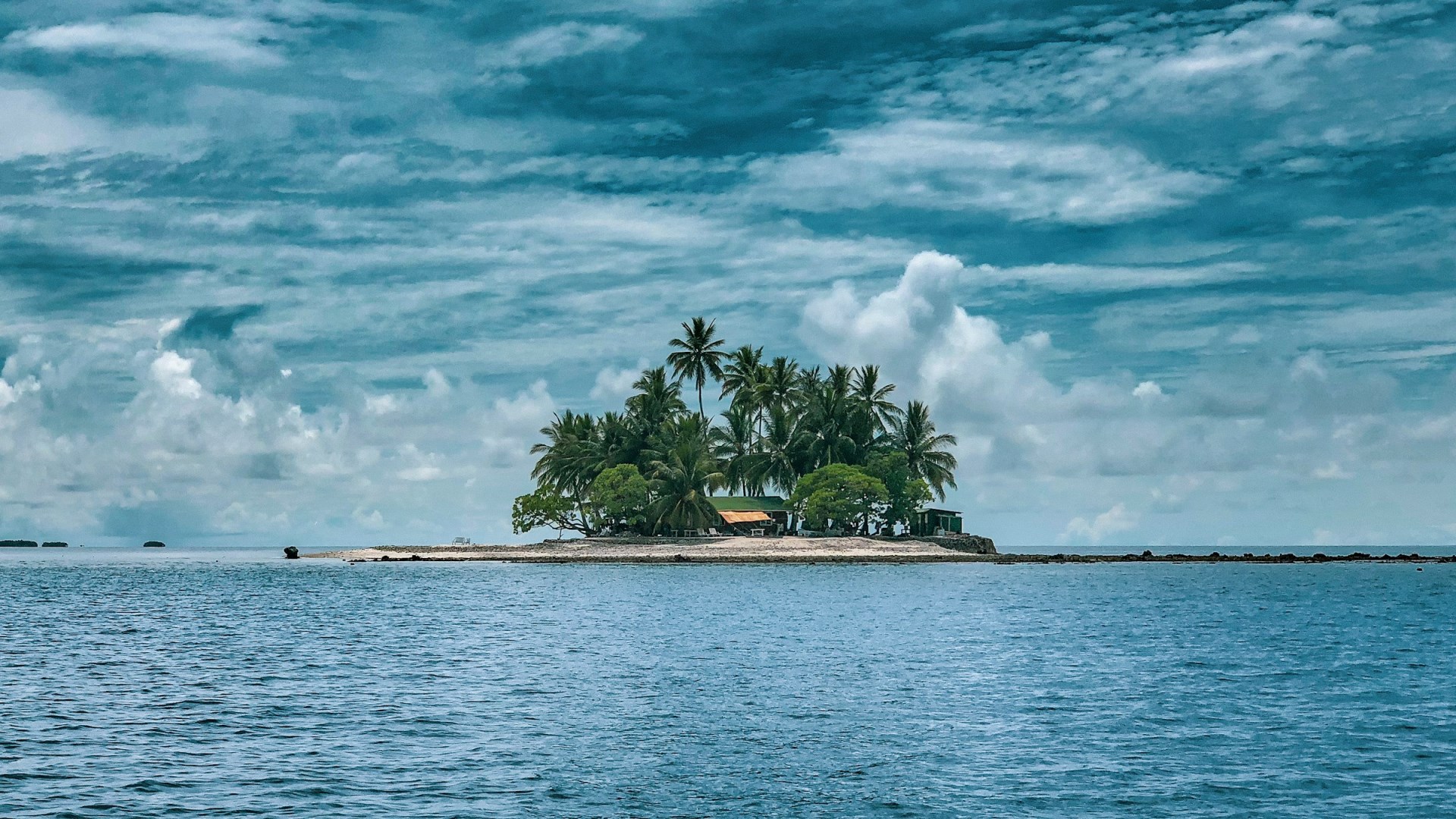
Weno is the largest island and administrative center of Chuuk State in the Federated States of Micronesia. It lies within the sheltered Chuuk Lagoon, a vast body of water enclosed by a surrounding reef and scattered with many smaller islands. Weno contains the state capital and serves as the main center for government, commerce, transportation, and services in the Chuuk Islands.
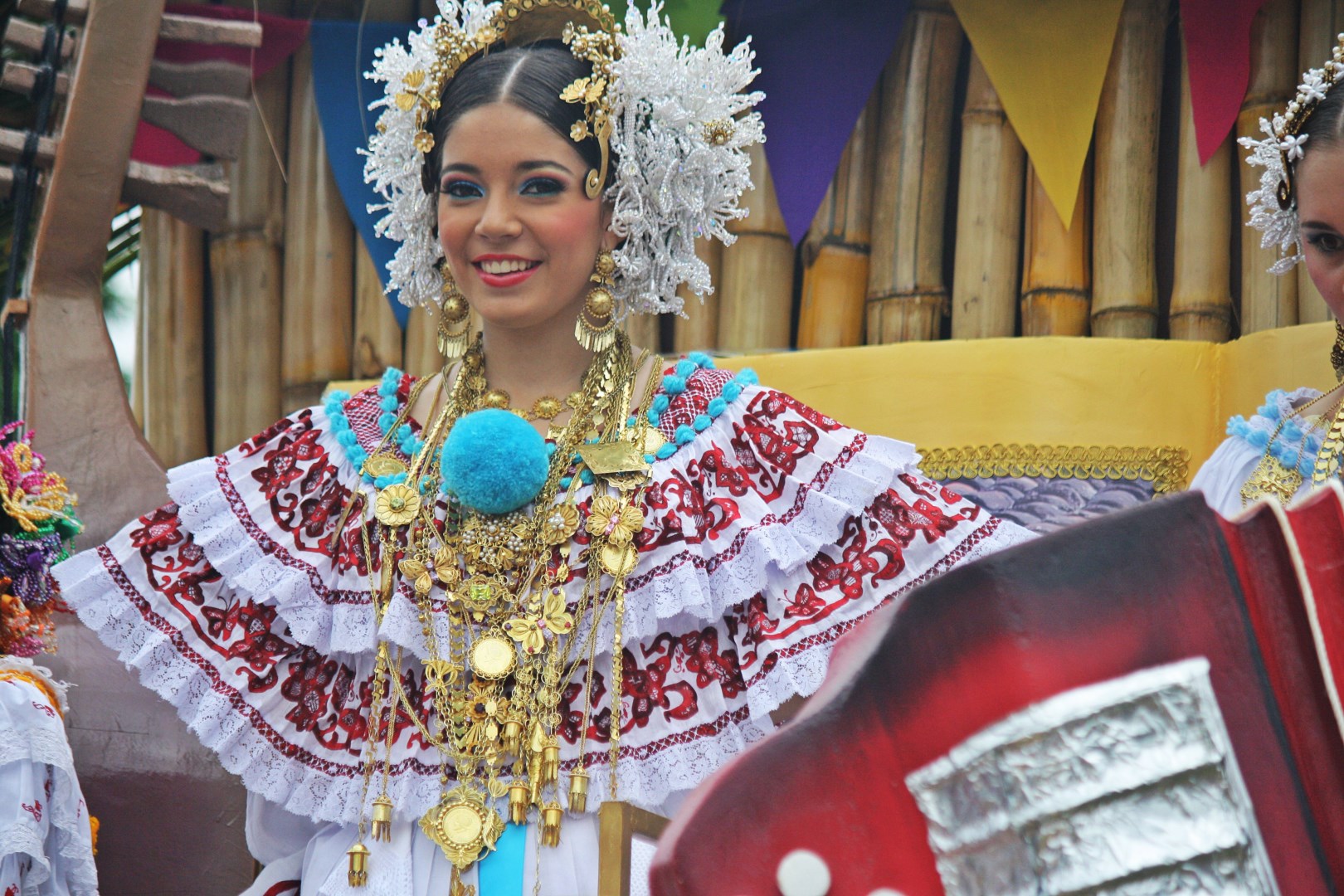
Chitré is a city in central Panama, located on the Azuero Peninsula and serving as the capital of Herrera Province. The cultural identity of Chitré is closely tied to folkloric traditions that remain visible in clothing, music, and public celebrations.
Las Vegas, Nevada, is an electrifying city where glitz and glamour meet entertainment and excitement. Known as "The Entertainment Capital of the World," Las Vegas offers an unparalleled array of attractions, from its iconic casinos and luxurious hotels to its world-class dining and live shows. The city's entertainment scene is second to none, featuring legendary headliners, cutting-edge performances, and an array of themed attractions.
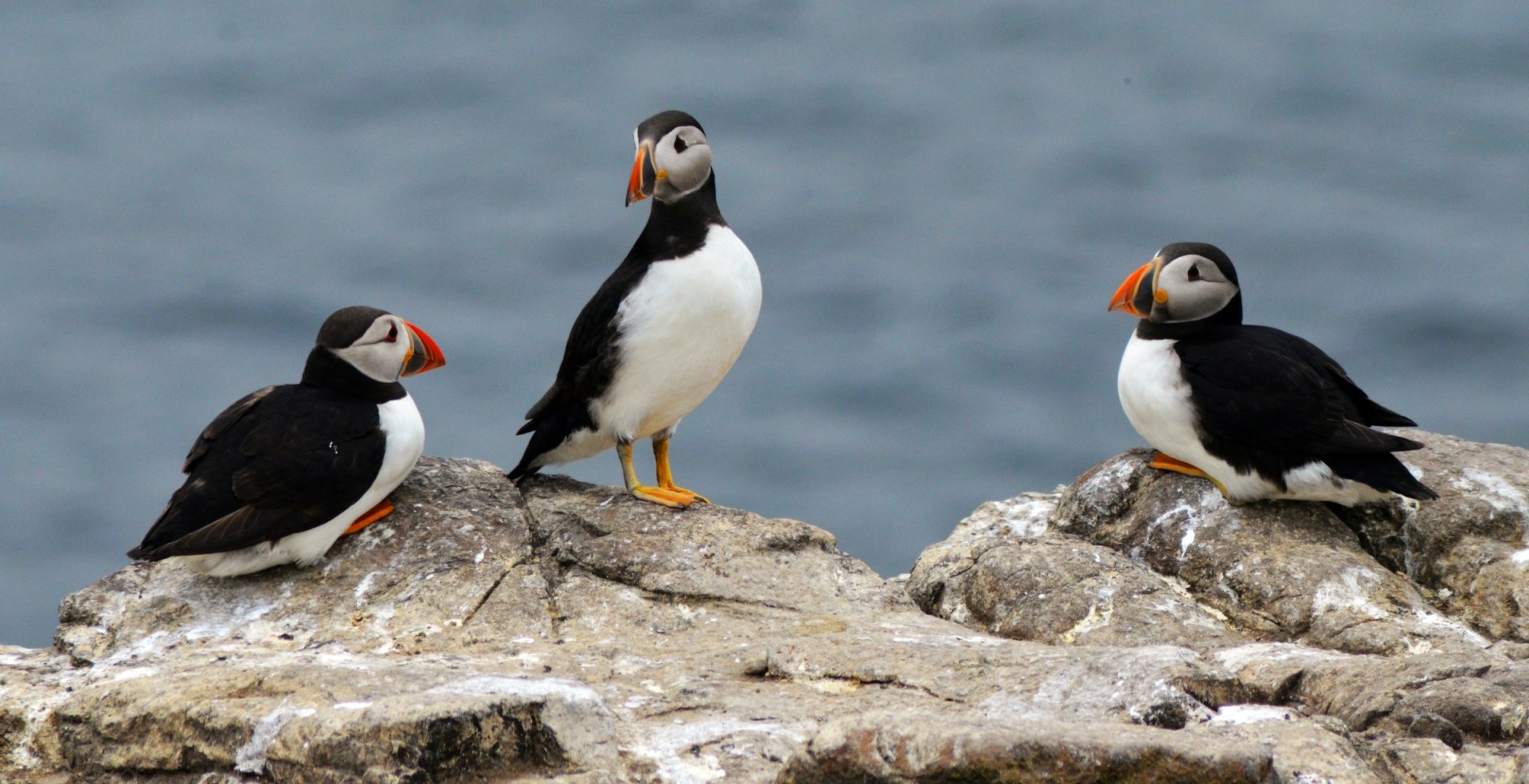
The Farne Islands are a group of rocky islands off the Northumberland coast in northeast England, separated from the mainland by the waters of the North Sea. The archipelago consists of the Inner and Outer Farne Islands and is known for its exposed cliffs, sea caves, rocky shores, and internationally important wildlife colonies. The islands have no permanent population and are reached by boat from nearby Seahouses.
This city, which started as a modest fishing village, now offers plenty of modern German charm. The extensive public transportation makes it a perfect home base for seeing nearby attractions such as Heidelberg. Mannheim is known for its many pretzel stands, so make sure you indulge in one of these delicious treats before you leave!
The Gobi Desert, spanning across northern China and southern Mongolia, is one of the world’s most iconic and mysterious landscapes. Known for its vast stretches of arid plains, towering sand dunes, and rugged mountains, the Gobi offers a stark, breathtaking beauty that has captivated explorers and travelers for centuries. This desert is not only the largest in Asia but also one of the most diverse, with its ecosystems ranging from sandy expanses to steppes that support a surprising array of wildlife. Visitors can witness the grandeur of this desert firsthand, exploring its ancient valleys and experiencing its unique climate, where temperatures can soar to extreme highs in summer and drop drastically in winter.
The Gobi Desert is also steeped in history, having served as a critical part of the ancient Silk Road, the trade route that connected the East and West for centuries. Travelers today can still feel the echoes of this historic trade route, visiting sites like the Khongoryn Els, known as the "Singing Dunes," where the wind creates hauntingly beautiful sounds as it sweeps across the sands. The Gobi’s cultural heritage is equally rich, with ancient monasteries like Erdene Zuu, which provide a glimpse into Mongolia's deep Buddhist traditions.
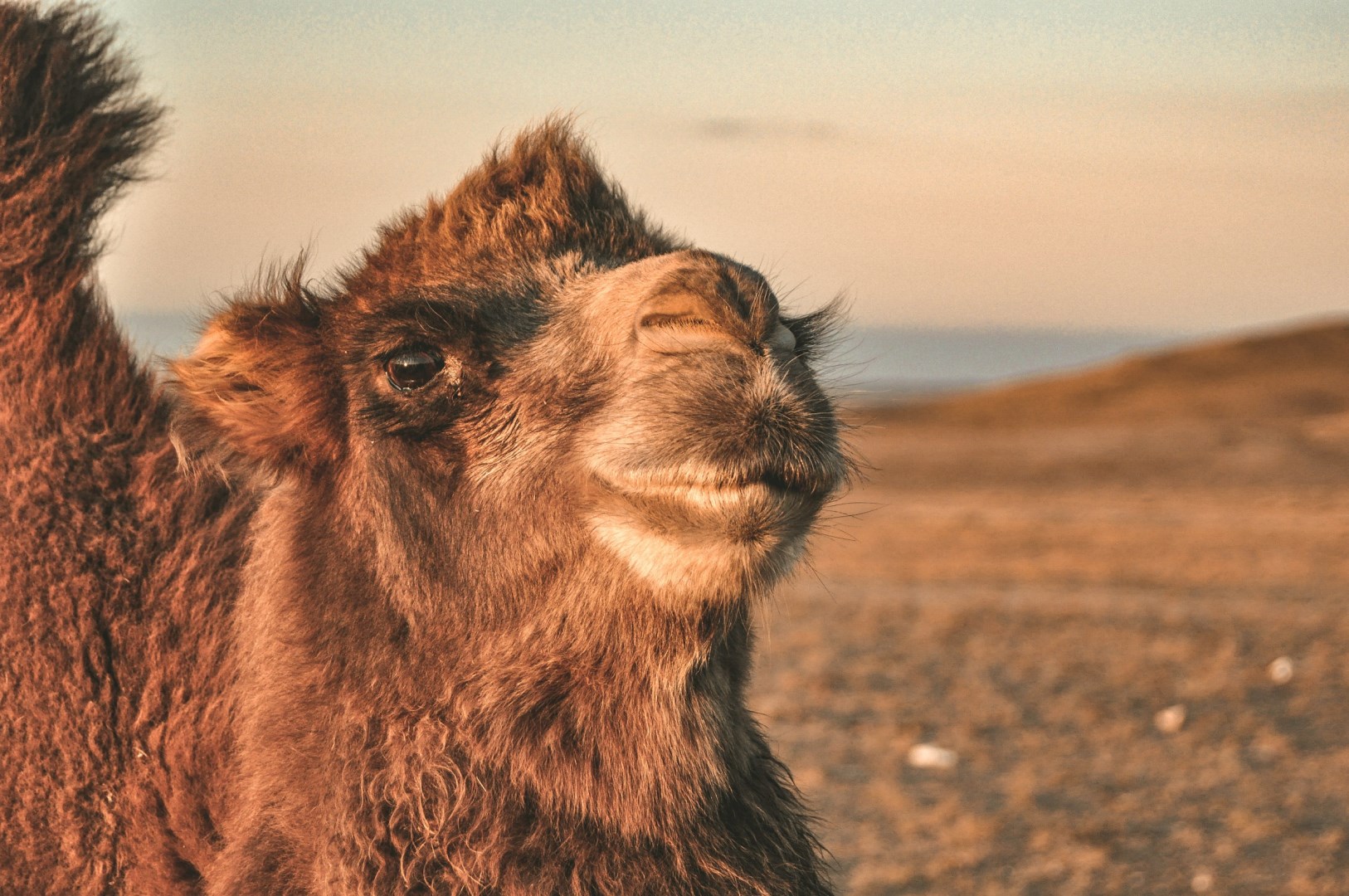
For those seeking adventure, the Gobi Desert offers unparalleled opportunities. From camel treks that take you deep into the heart of the desert to off-road jeep tours that navigate through its rugged terrain, there’s no shortage of ways to explore this remote region. Wildlife enthusiasts will be thrilled by the chance to spot rare species such as the Bactrian camel, snow leopards, and the elusive Gobi bear, one of the world’s rarest animals.
Fun fact: The Gobi Desert is home to the world’s first dinosaur eggs discovered in the 1920s by American explorer Roy Chapman Andrews. This area continues to be a hotbed for paleontological discoveries, making it a fascinating destination for anyone interested in the ancient past.
Other Popular Destinations in Mongolia
Ulaanbaatar
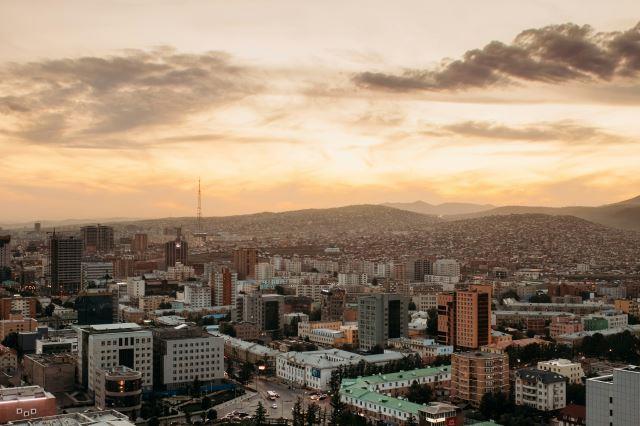
Ulaanbaatar, the capital of Mongolia, is a city where tradition and modern life intertwine. Nestled in a valley surrounded by mountains, it serves as the country’s cultural, political, and economic hub. The city’s skyline features a mix of Soviet-era architecture, Buddhist monasteries, and contemporary high-rises.
Hustai National Park
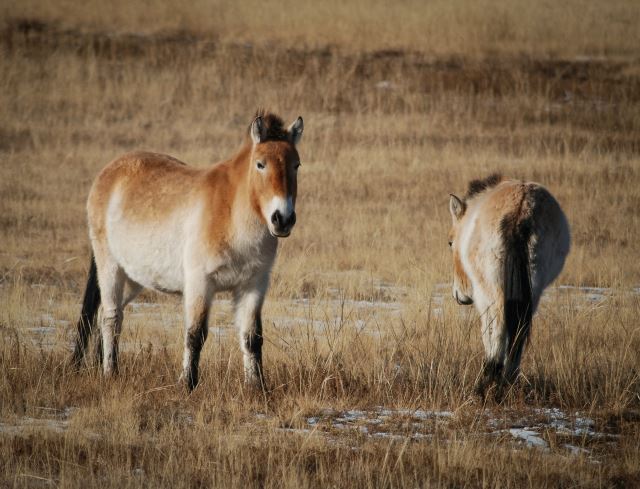
Hustai National Park is a protected grassland reserve in central Mongolia, located west of Ulaanbaatar in an area of rolling степpe, forested hills, and river valleys. The park is best known for the reintroduction of the Przewalski’s horse, known locally as takhi, a wild horse species that had disappeared from Mongolia before conservation programs returned it to the region.