Vanuatu, a chain of 83 islands in the South Pacific, offers travelers an experience that’s both bold and deeply rooted in custom. Once known as the New Hebrides, Vanuatu blends ancient Melanesian traditions with dramatic landscapes shaped by volcanic activity. On Tanna Island, visitors can stand at the rim of Mount Yasur, one of the world’s most accessible active volcanoes, and watch fiery eruptions light up the night sky.
Cuba is an island nation where history, culture, and natural beauty intertwine in captivating ways. Known for its Spanish colonial architecture, vibrant music, and revolutionary legacy, the country offers a fascinating window into both the Caribbean and Latin American worlds. Havana, with its colorful facades, classic American cars, and lively plazas, embodies Cuba’s charm and resilience, while towns like Trinidad and Cienfuegos showcase UNESCO-listed heritage and a slower pace of life.
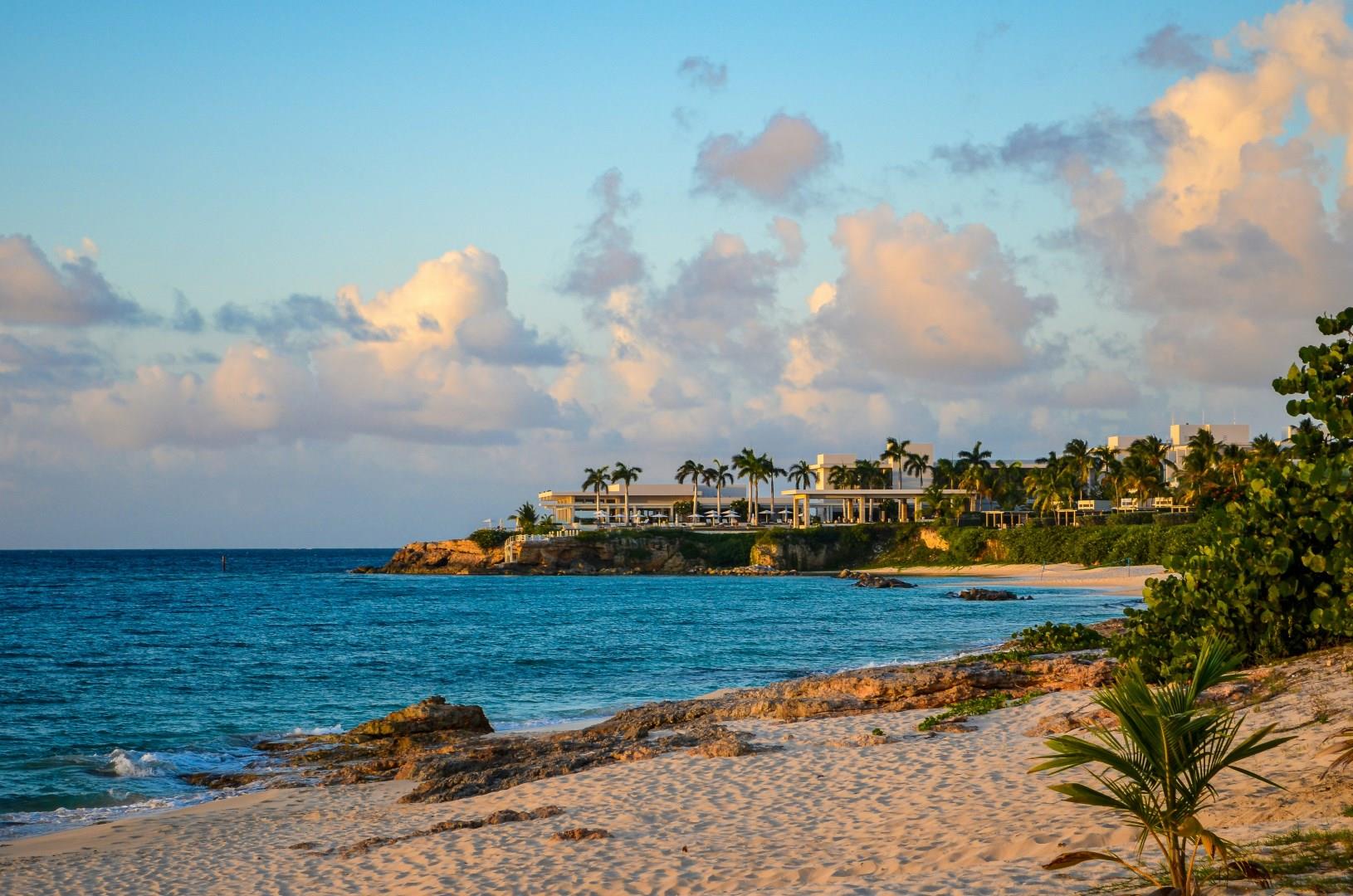
Barnes Bay, on Anguilla’s western coast, is one of the island’s most striking beaches, known for its golden sand and dramatic backdrop of rugged cliffs. The bay is less frequented than some of Anguilla’s more famous shores, giving it a serene, secluded atmosphere that makes it a favorite for those seeking a quieter escape.
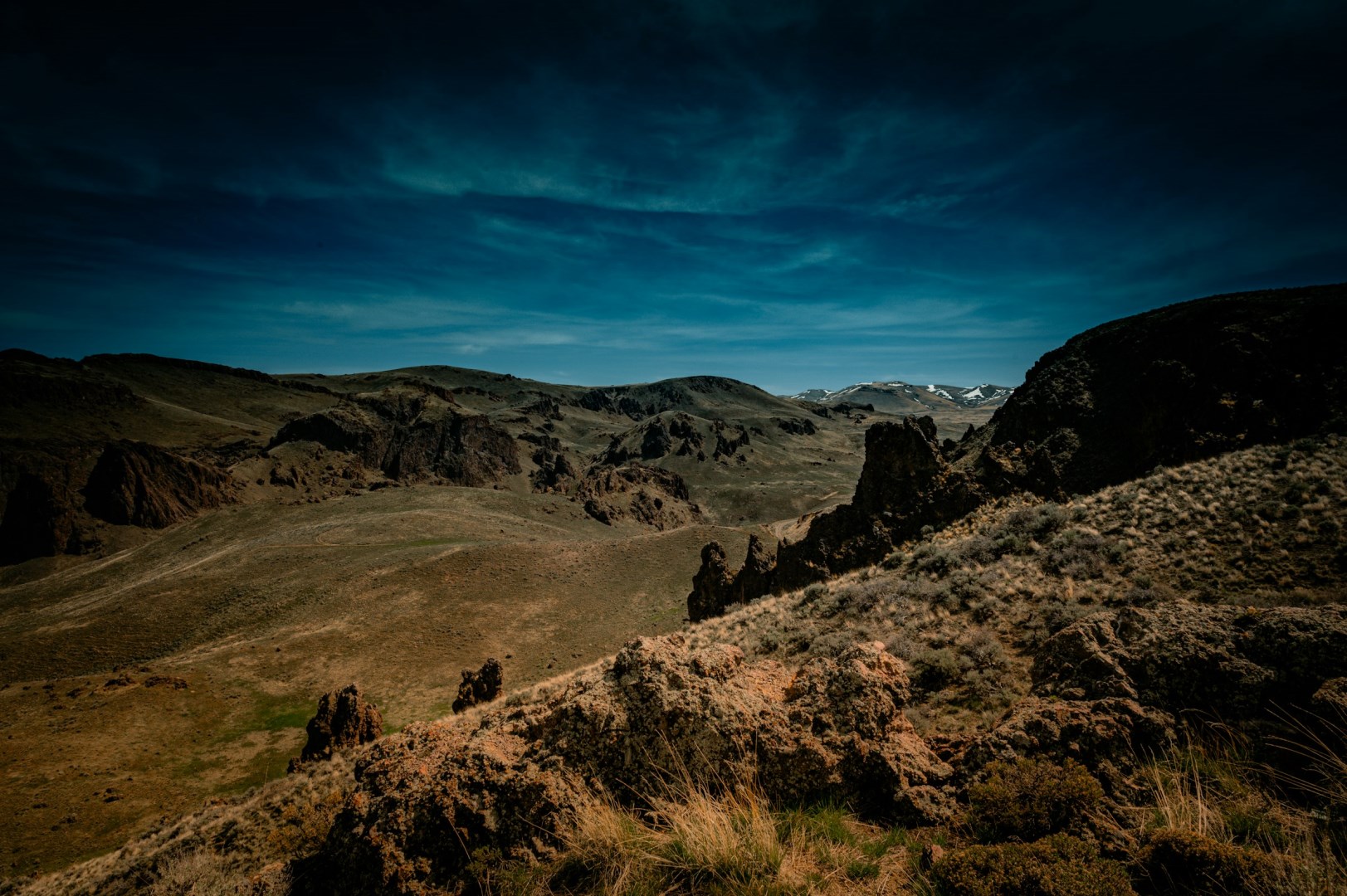
Jordan Valley is a small community in southeastern Oregon near the Idaho border, surrounded by the open high-desert landscape of Malheur County. The area is characterized by sagebrush plains, dry hills, rocky ridges, and wide views across a sparsely populated region. Jordan Creek runs through the valley, providing a natural feature in an otherwise arid environment. The community developed as a ranching and agricultural center and remains closely connected to the surrounding range country. Its re
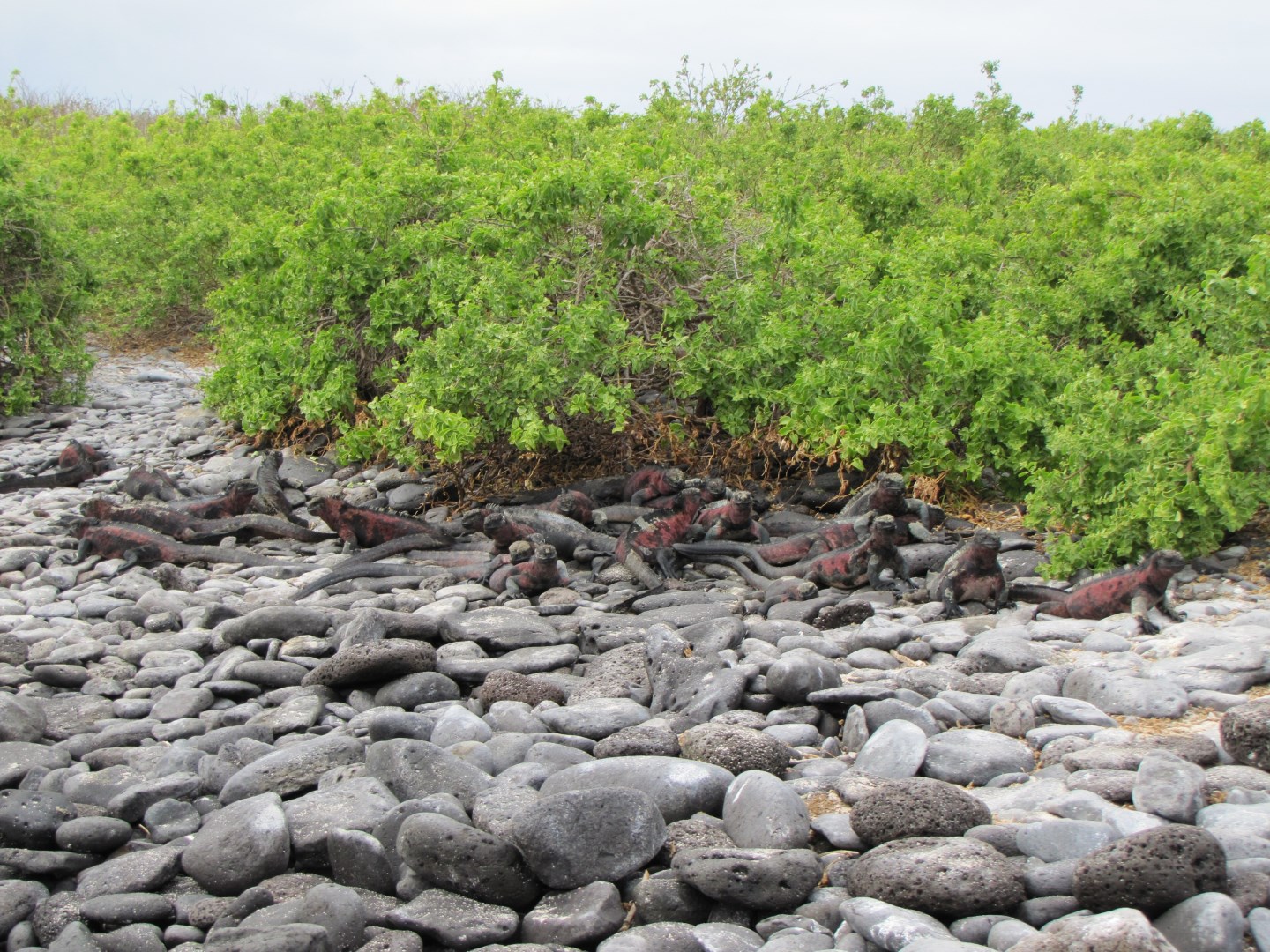
Española Island lies in the southeastern part of the Galápagos archipelago. Highlights of this tropical paradise include Punta Suarez, a popular scenic point for bird watching, and the beaches of Bahía Gardner on the island's north coast.

Photo Credit: Photo by Fabien BELLANGER on Unsplash
Photo Credit: Photo by Nathalie Lays on Unsplash
Photo Credit: Photo by Nicolas Cortois on Unsplash
Nestled in the heart of Namibia, Otjiwarongo offers a unique blend of natural beauty and cultural charm. As a gateway to the country's northern wildlife reserves, this vibrant city serves as an ideal base for exploring nearby attractions. The city is renowned for its proximity to the Cheetah Conservation Fund (CCF), a world-leading organization dedicated to the protection of these magnificent creatures. Visitors can enjoy guided tours of the CCF, where they’ll learn about cheetah conservation efforts and witness these elegant animals up close.
Otjiwarongo is also celebrated for its warm hospitality and inviting atmosphere. The city’s local markets and eateries provide a taste of Namibian culture, with fresh produce and traditional dishes on offer. Not far from the city, the Otjiwa Safari Lodge offers luxurious accommodations and safari experiences that cater to both relaxation and adventure, allowing visitors to immerse themselves in the surrounding wildlife.
In addition to its wildlife attractions, Otjiwarongo boasts scenic landscapes that are perfect for outdoor enthusiasts. The nearby Waterberg Plateau, a protected area with rich biodiversity, offers hiking trails and panoramic views of the Namibian countryside. The plateau is a refuge for rare species and provides an excellent setting for birdwatching and nature walks.
Fun fact: The name "Otjiwarongo" means "pleasant place" in the Herero language, reflecting the city’s reputation for its friendly and welcoming atmosphere.
Other Popular Destinations in Namibia
Etosha National Park
Etosha National Park, located in northern Namibia, is one of Africa’s most renowned wildlife destinations. Covering nearly 8,500 square miles, it is centered around the Etosha Pan, a massive salt flat that can be seen from space. During the dry season, animals gather around waterholes, creating spectacular wildlife viewing opportunities that attract visitors from around the world.
Swakopmund
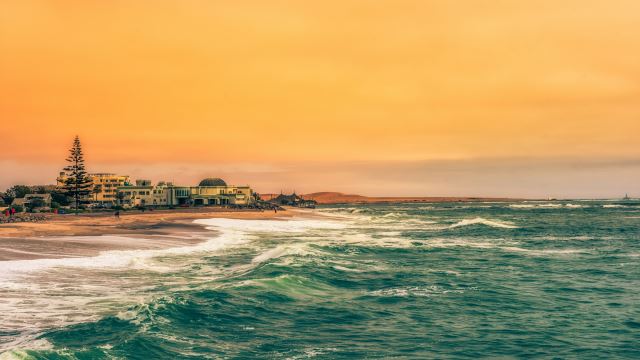
Swakopmund, on Namibia’s Atlantic coast, is a town where desert meets ocean in striking contrast. Founded by German colonists in the late 19th century, its streets are lined with colonial-era buildings painted in pastel colors, giving the town a distinctly European feel.