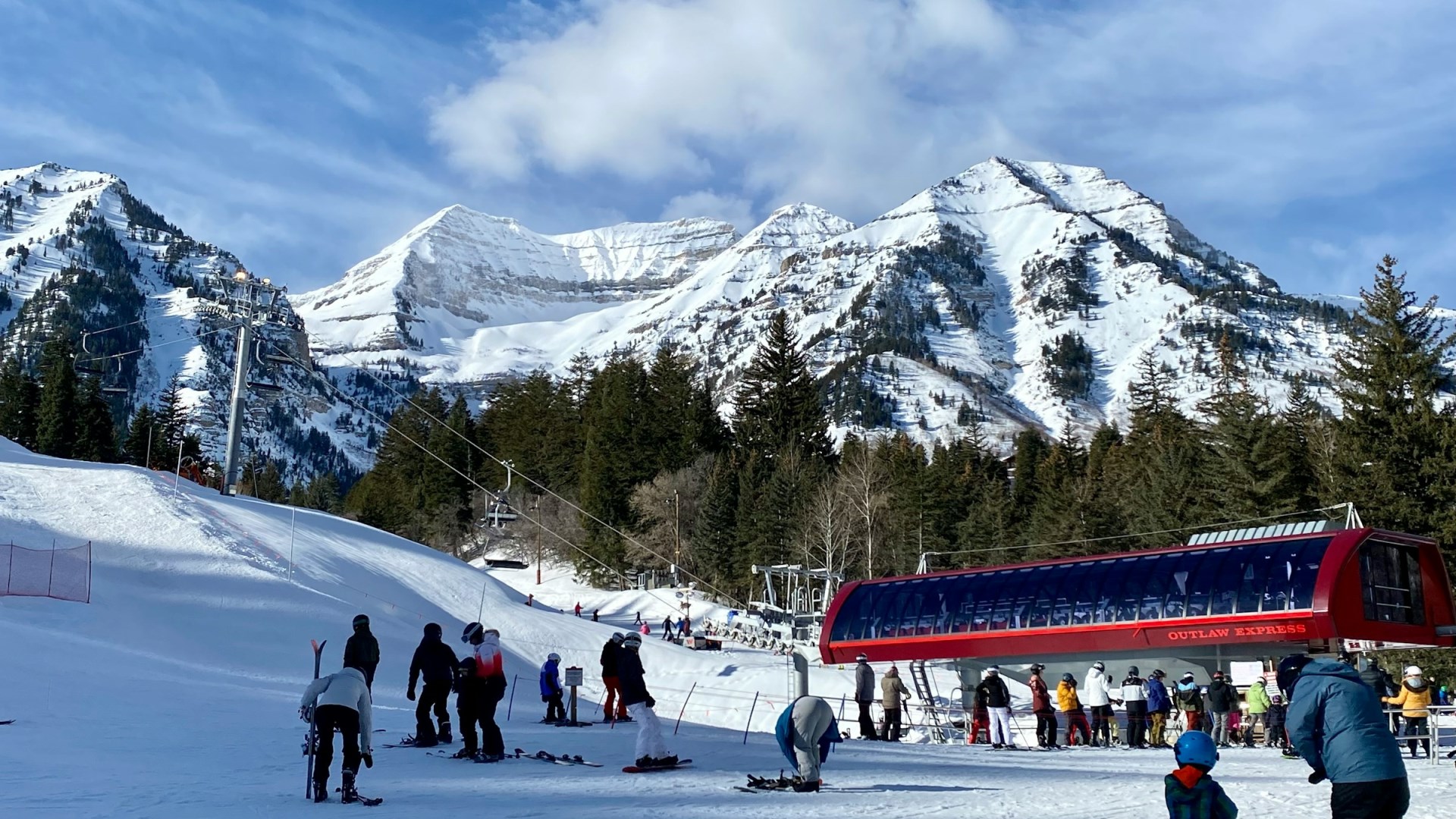
Melbourne
A vibrant cultural center in the land “Down Under,” Melbourne, Australia will entice you with its aromatic cafés, lush nature parks, immersive museums, and dedication to the arts.
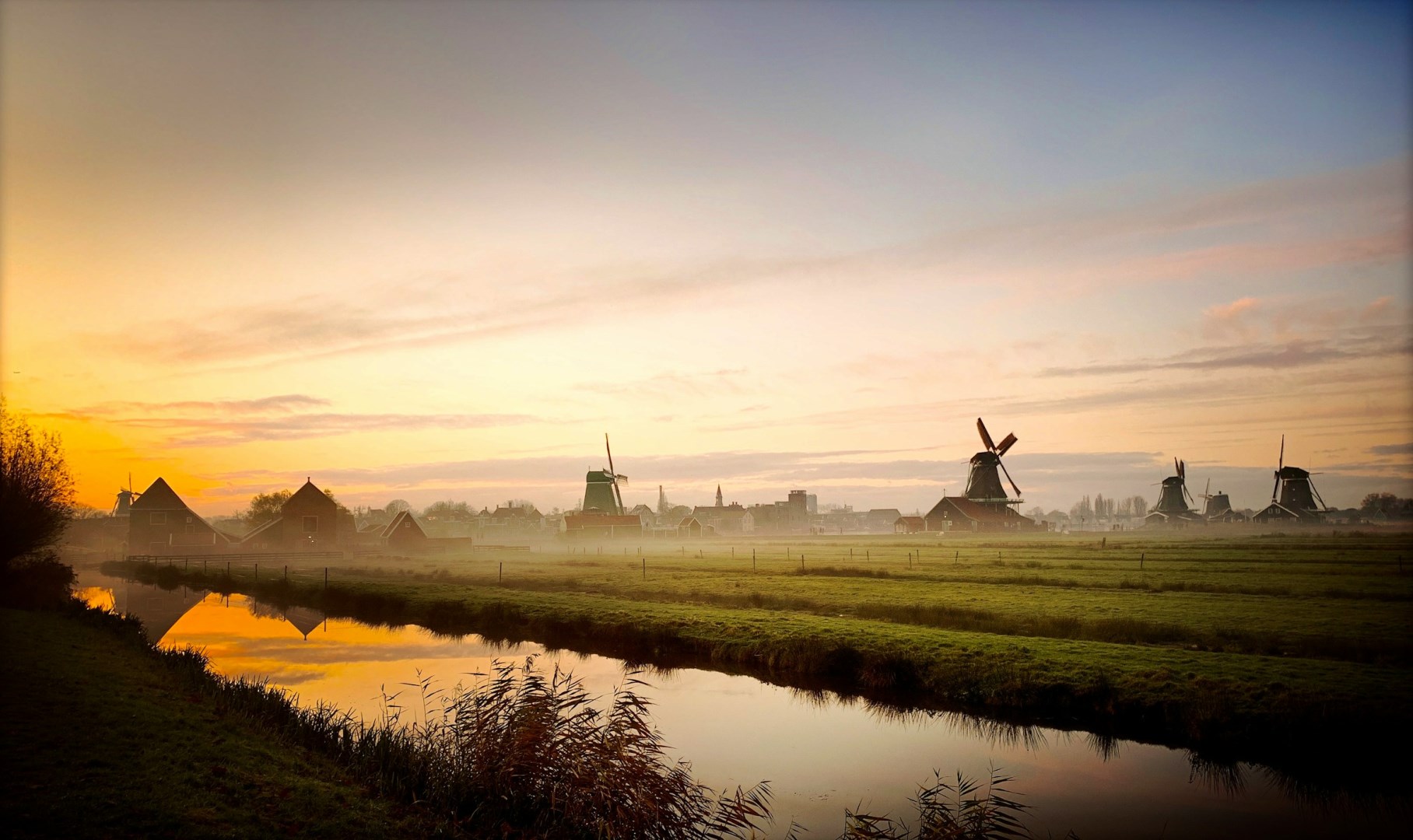
Zaandam
Zaandam is a city in North Holland, situated along the Zaan River just north of Amsterdam. Its identity is closely connected to the waterways, windmills, timber construction, and industrial activity that shaped the wider Zaan region. The city center combines historic streets and canals with contemporary architecture, including the distinctive Inntel Hotel, whose façade is formed from stacked versions of traditional Zaan houses.

Spitz
Located on the banks of the Danube, Spitz an der Donau is a charming market town in Austria's Wachau valley. Occupied since Celtic times, Spitz offers spectacular views of the Danube valley.
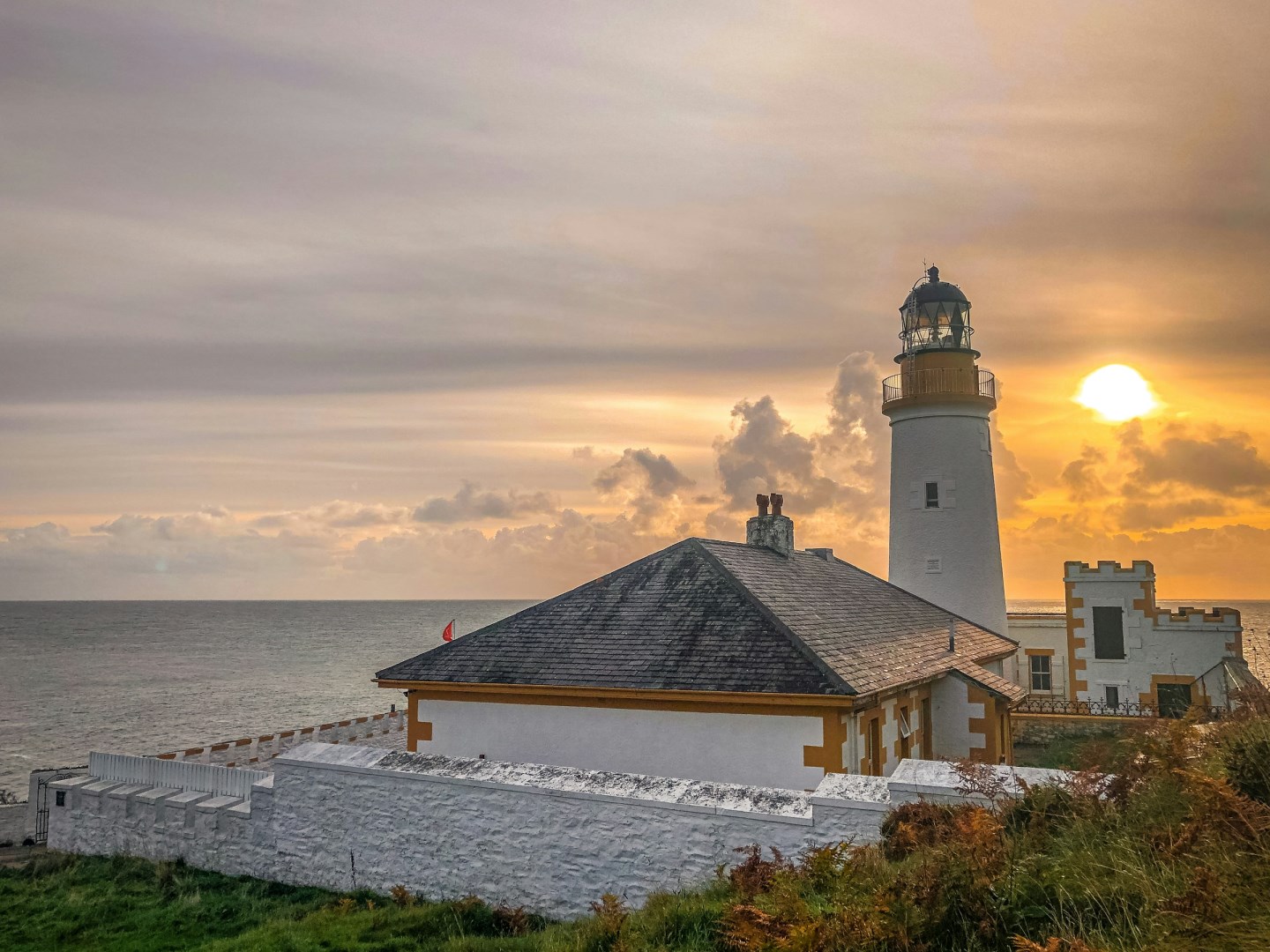
Douglas
Douglas is the capital of the Isle of Man, occupying a broad bay on the island’s eastern coast and serving as its main commercial, cultural, and transport center. The town developed around a natural harbor and remains closely connected to the sea, with the Douglas Sea Terminal handling ferry services and other vessels.
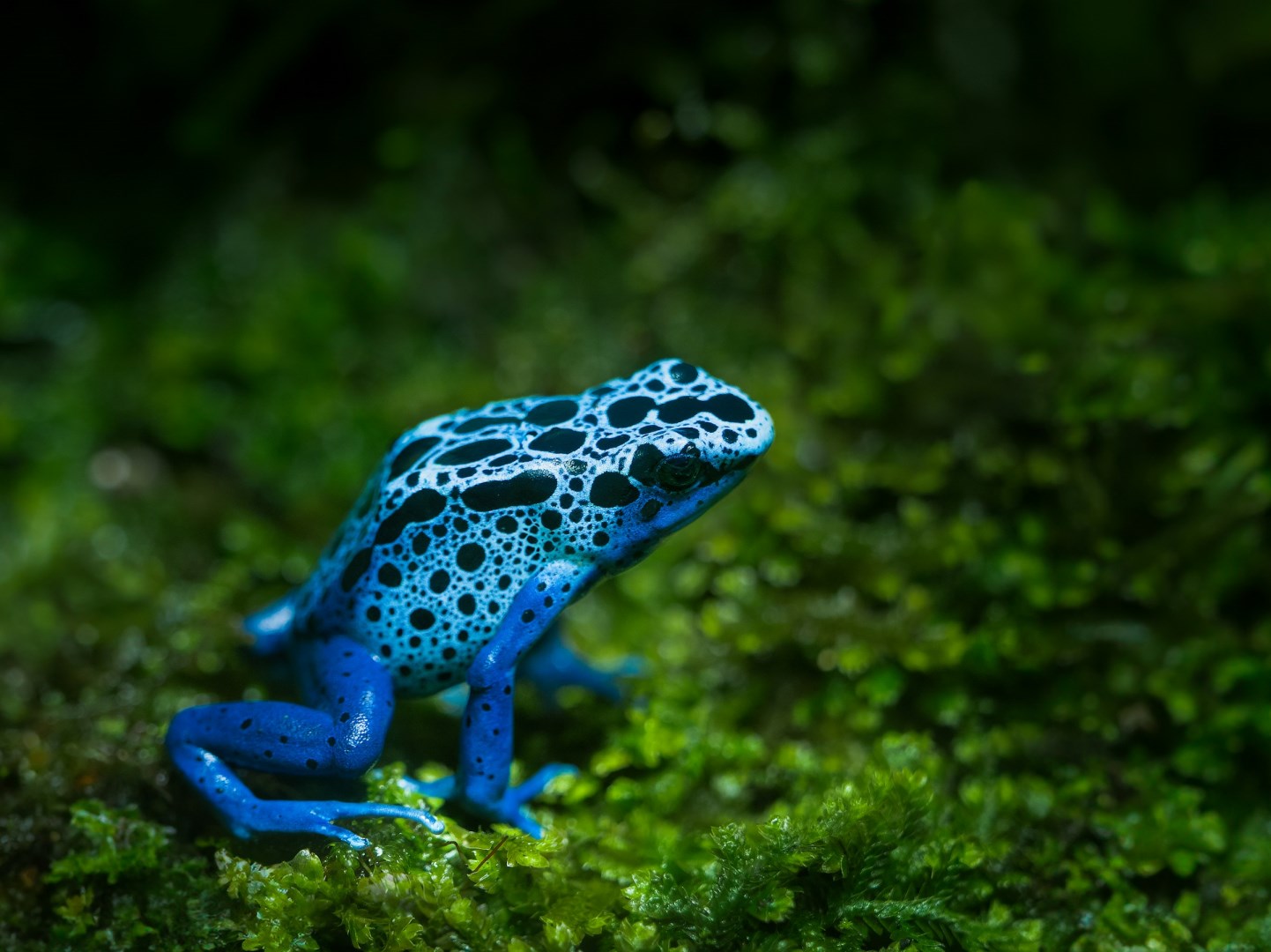
Suriname
Suriname’s forests cover more than nine‑tenths of the country and house an astounding array of wildlife. The Central Suriname Nature Reserve, one of the largest rainforest sanctuaries on Earth, shelters jaguars, giant river otters, and hundreds of bird species. Nearer the capital, Brownsberg Nature Park offers forest trails and waterfalls amid 1,450 plant and 350 bird species, just a short drive from Paramaribo.