Goa
Goa, the sun-soaked paradise on India's western coast, is a destination where history, culture, and natural beauty converge in a spectacular way. Known for its golden beaches and vibrant nightlife, Goa is also rich in heritage, reflecting its unique blend of Indian and Portuguese influences. The old quarters of Panaji and Margao are dotted with charming colonial-era buildings, quaint churches, and lively markets that beckon travelers to explore the region’s storied past.

Las Vegas
Las Vegas, Nevada, is an electrifying city where glitz and glamour meet entertainment and excitement. Known as "The Entertainment Capital of the World," Las Vegas offers an unparalleled array of attractions, from its iconic casinos and luxurious hotels to its world-class dining and live shows. The city's entertainment scene is second to none, featuring legendary headliners, cutting-edge performances, and an array of themed attractions.
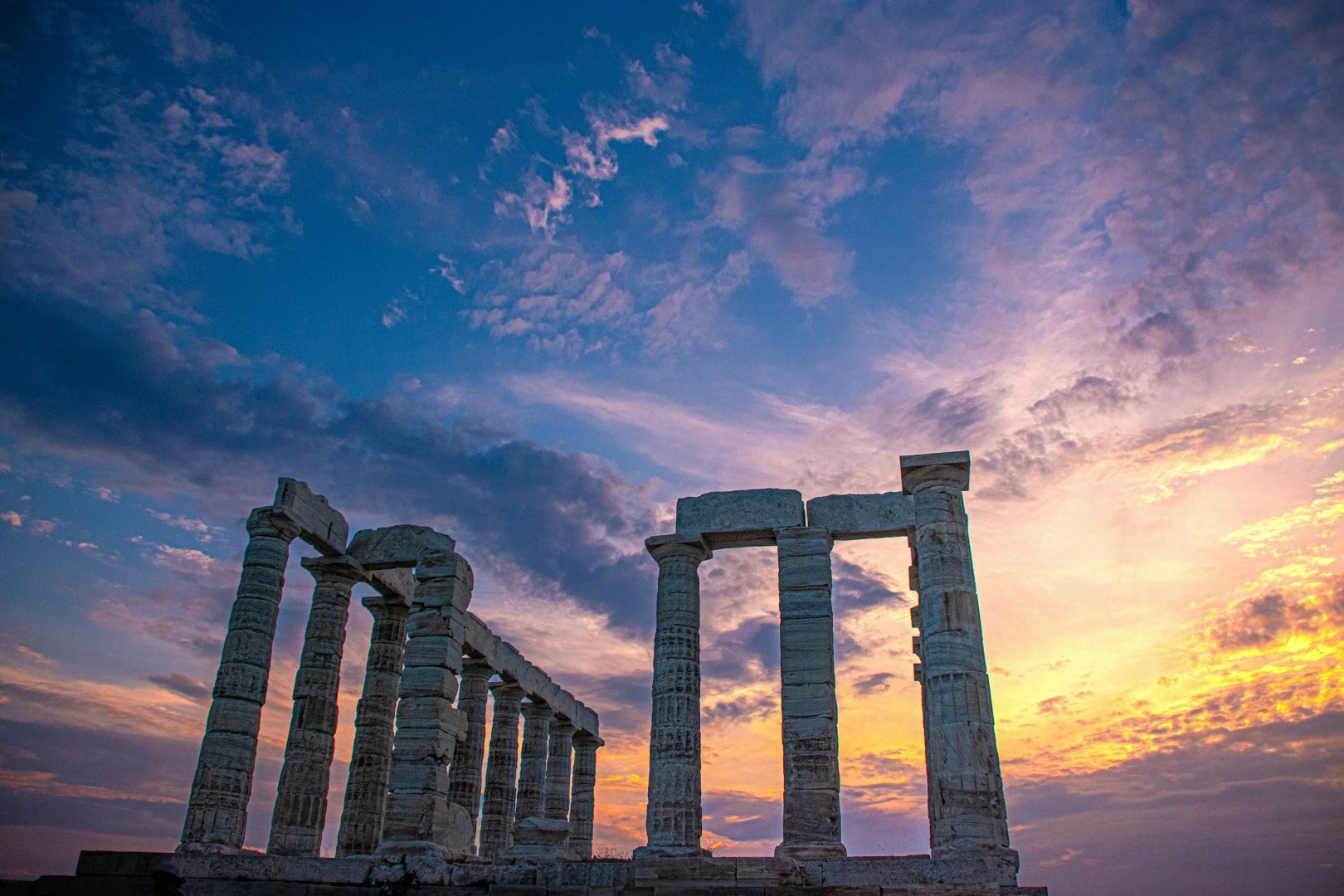
Cape Sounion
Picturesque Cape Sounion is famous for its beaches and scenic views of islets and the sweeping Bay of Anavyssos, as well as the 5th century Temple of Poseidon. Cape Sounion is located approximately 65 km. south of Athens.
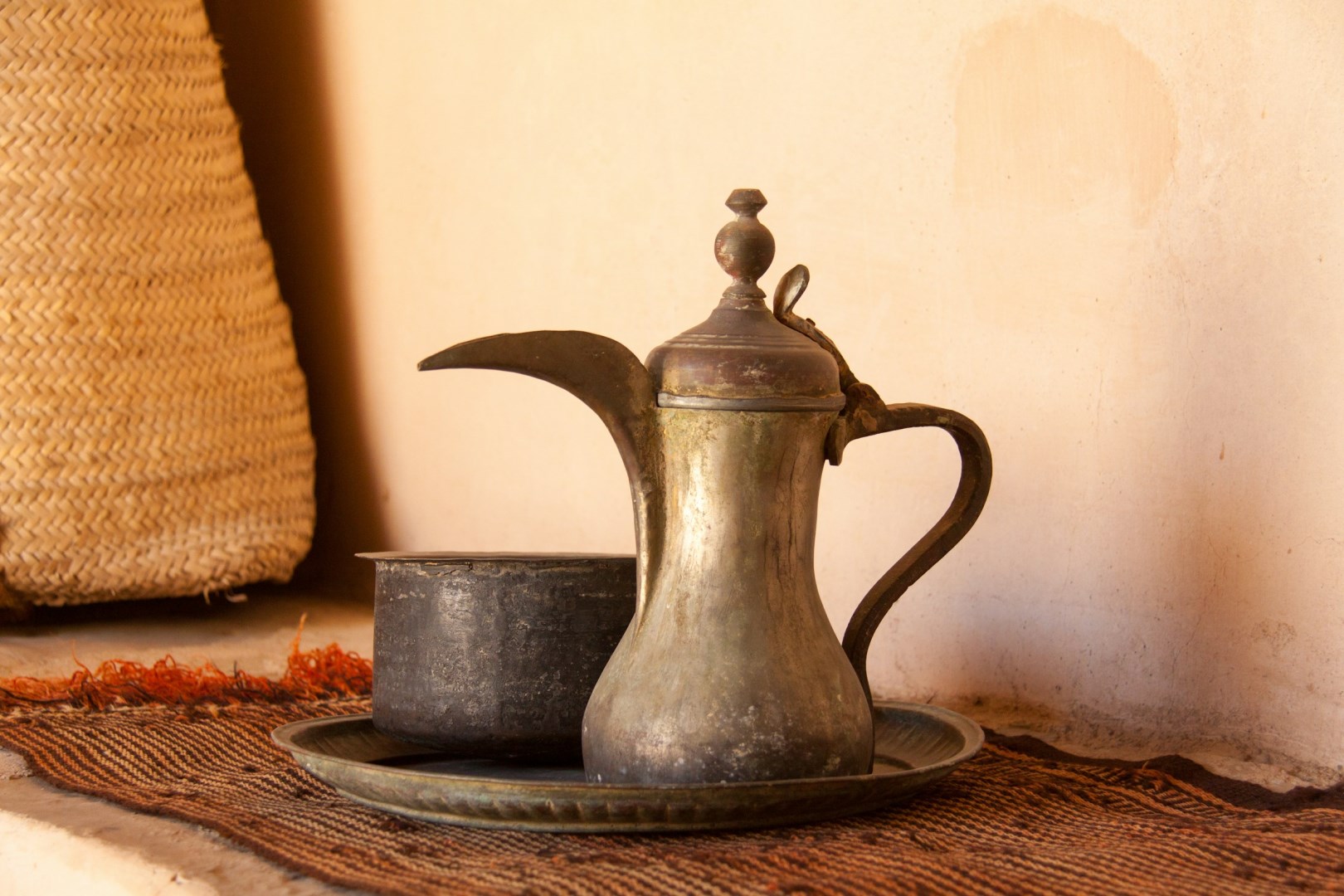
Sur
Sur is a coastal city in Oman's Al Sharqiyah South Governorate, facing the Arabian Sea along a coastline shaped by sheltered bays, rocky headlands, and fishing communities. The city is particularly known for its maritime heritage and traditional wooden dhow building, which remains an important part of its identity. Sur's harbor, whitewashed buildings, and coastal setting reflect its long connection with seafaring and trade.
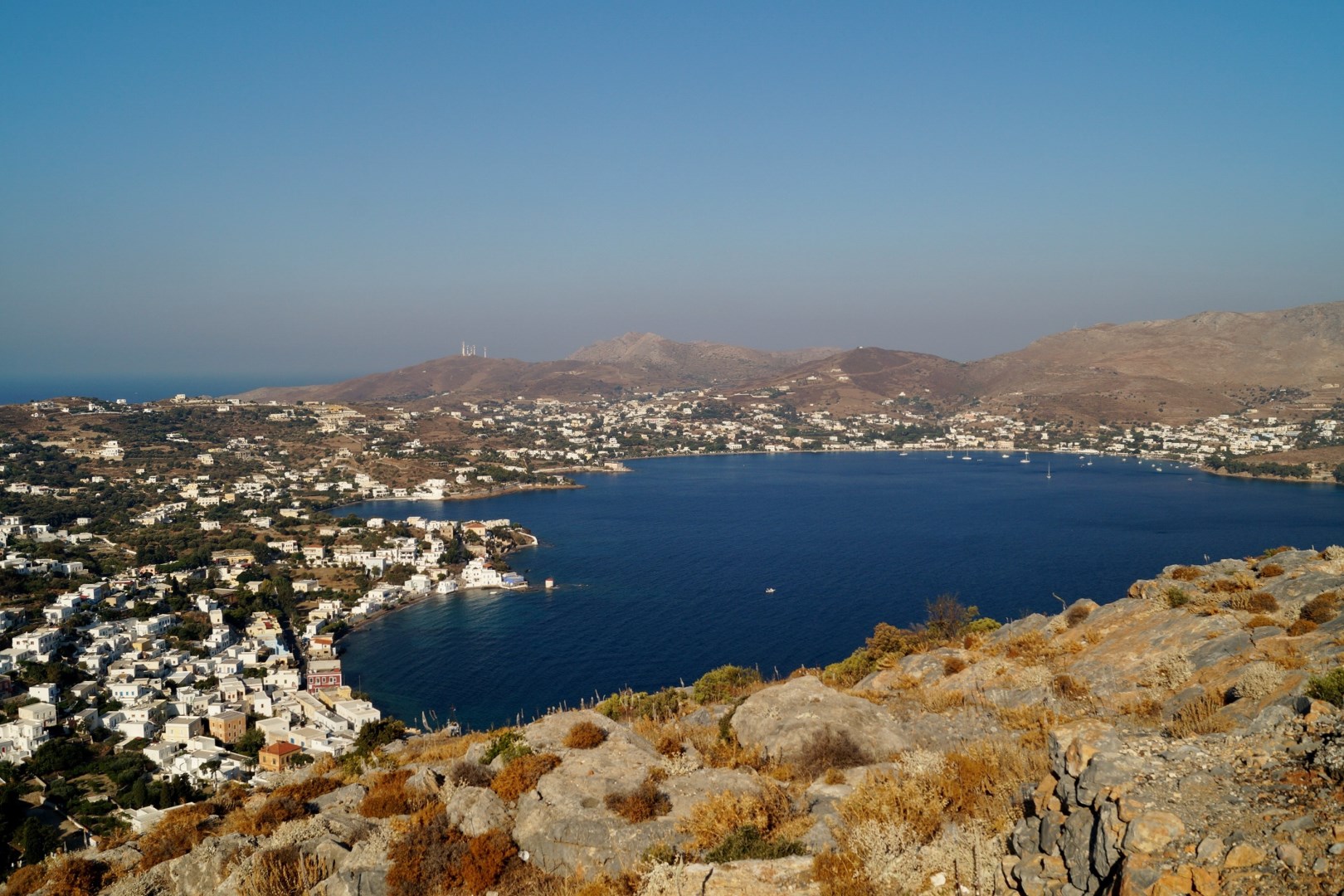
Leros Island
Leros Island, Greece, rests quietly in the Aegean Sea, offering a combination of sun-drenched beaches and historical landmarks that invite exploration. The main town, Agia Marina, spreads along a natural harbor, where fishing boats and small yachts sway gently against the backdrop of colorful houses climbing the hillside. Winding streets reveal a mix of architecture, from traditional whitewashed homes to neoclassical buildings.