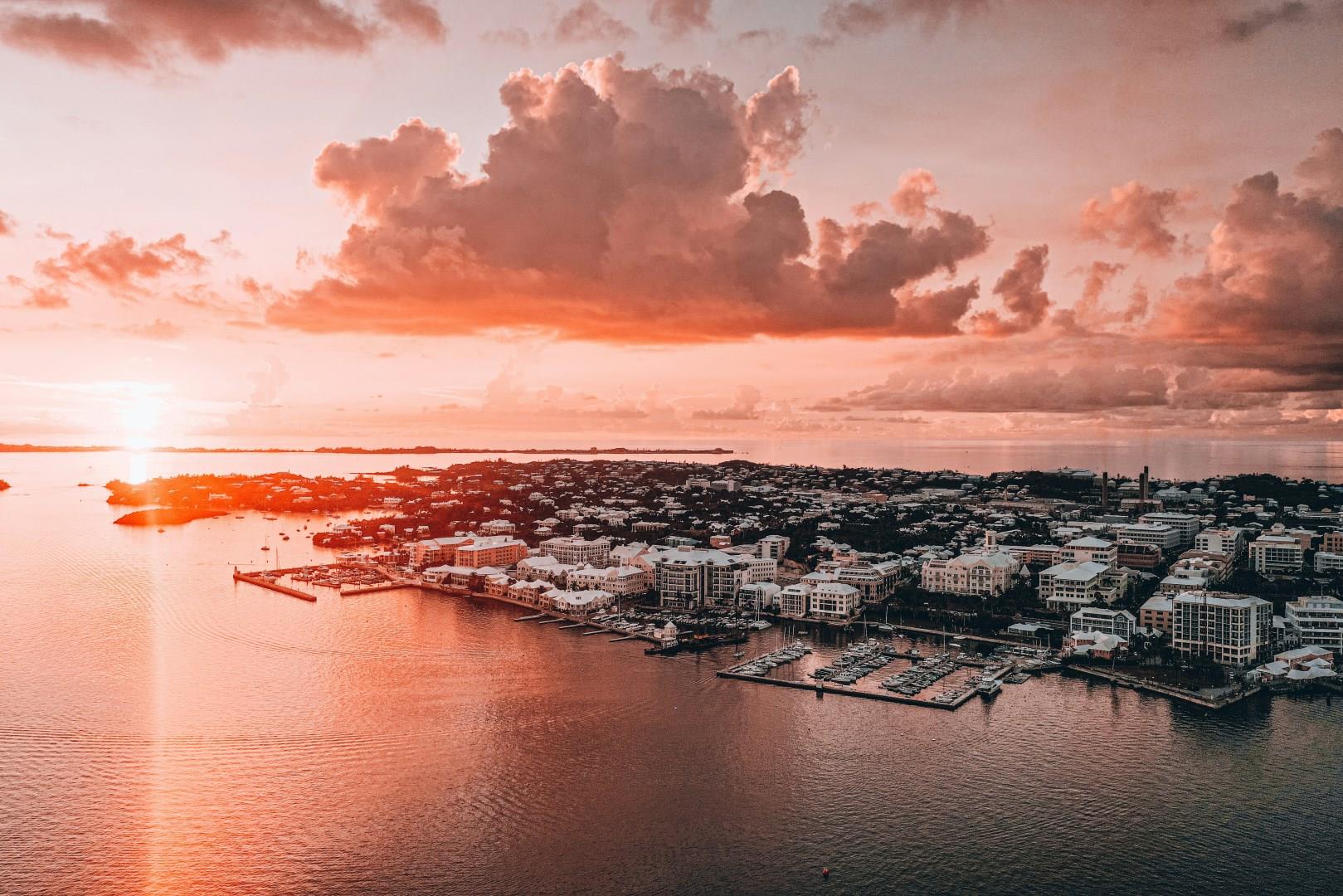
Hamilton
Hamilton, the capital of Bermuda, is the island’s lively cultural and commercial heart. Established in 1793, the city blends colonial charm with a modern island vibe, framed by pastel buildings and a picturesque harbor.

Island Of Mozambique
The Island of Mozambique, a UNESCO World Heritage Site, is a historical gem nestled off the northern coast of Mozambique. This small island, which was once a pivotal trading post, boasts a rich tapestry of history and culture. The island's main attraction is the Fort São Sebastião, an imposing 16th-century fortress built by the Portuguese to protect their trading interests.

Popoyo
Popoyo is a small coastal community on Nicaragua's southwestern Pacific coast, in the department of Rivas. It is known for its broad sandy shoreline, rocky coastal points, and consistent Pacific surf. The surrounding landscape remains largely rural, with pastureland, farms, tropical vegetation, and small settlements extending inland from the beach.
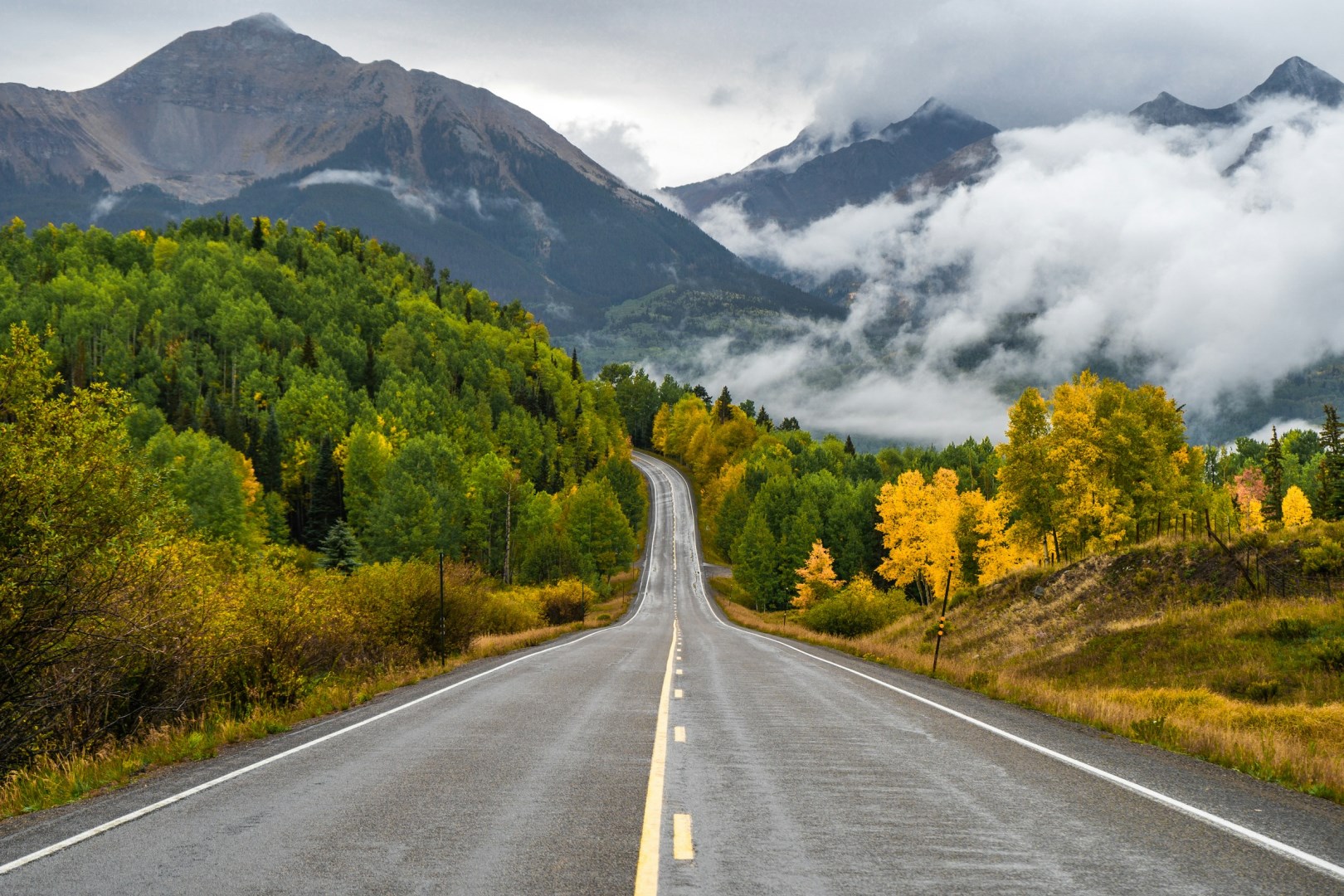
Telluride
"The prettiest place you'll ever ski!" Telluride's historic charm vies with its dramatic backdrop to provide that perfect combination of excellent skiing plus the flavor and hospitality of an Old West town. With partially groomed slopes, Telluride pleases both black diamond and blue square skiers on the same run!
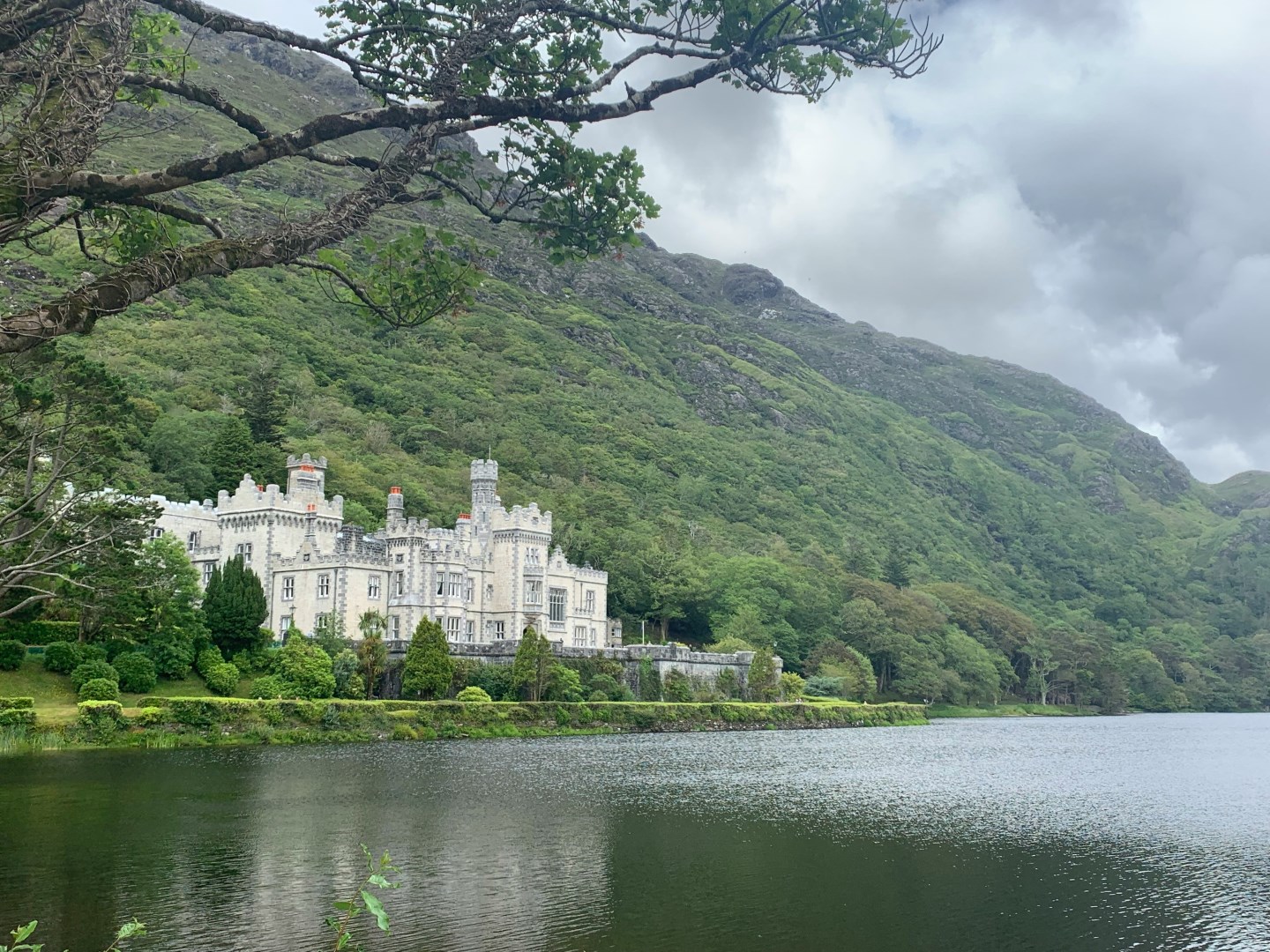
Kylemore
Kylemore, Ireland, sits quietly amidst the mountains and lakes of Connemara, offering visitors a blend of history and scenic views that feels both grand and intimate. The village is best known for Kylemore Abbey, a striking structure set against the backdrop of rolling hills and reflective waters. Visitors approaching the estate are greeted by formal gardens and woodland trails, where the reflections of the abbey shimmer in the calm lake.