Wiencke Island
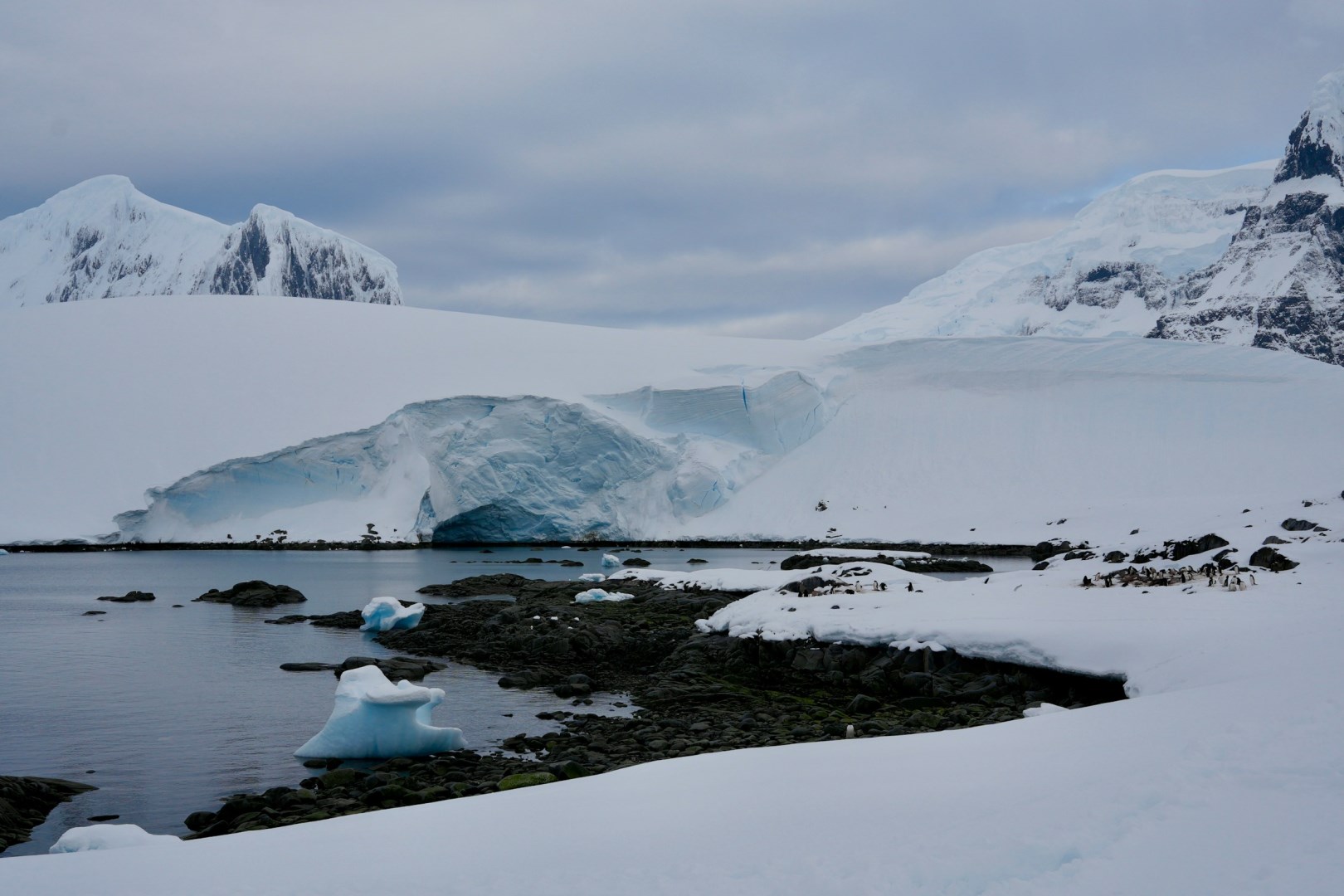
Wiencke Island lies off the west coast of the Antarctic Peninsula, separated from Anvers Island by the narrow Gerlache Strait. The island is mountainous and heavily glaciated, with steep slopes rising from a rugged coastline of rocky shores, snowfields, and ice. Several sheltered coves provide access for expedition vessels, while the surrounding waters are often dotted with icebergs and sea ice.
Gili Islands
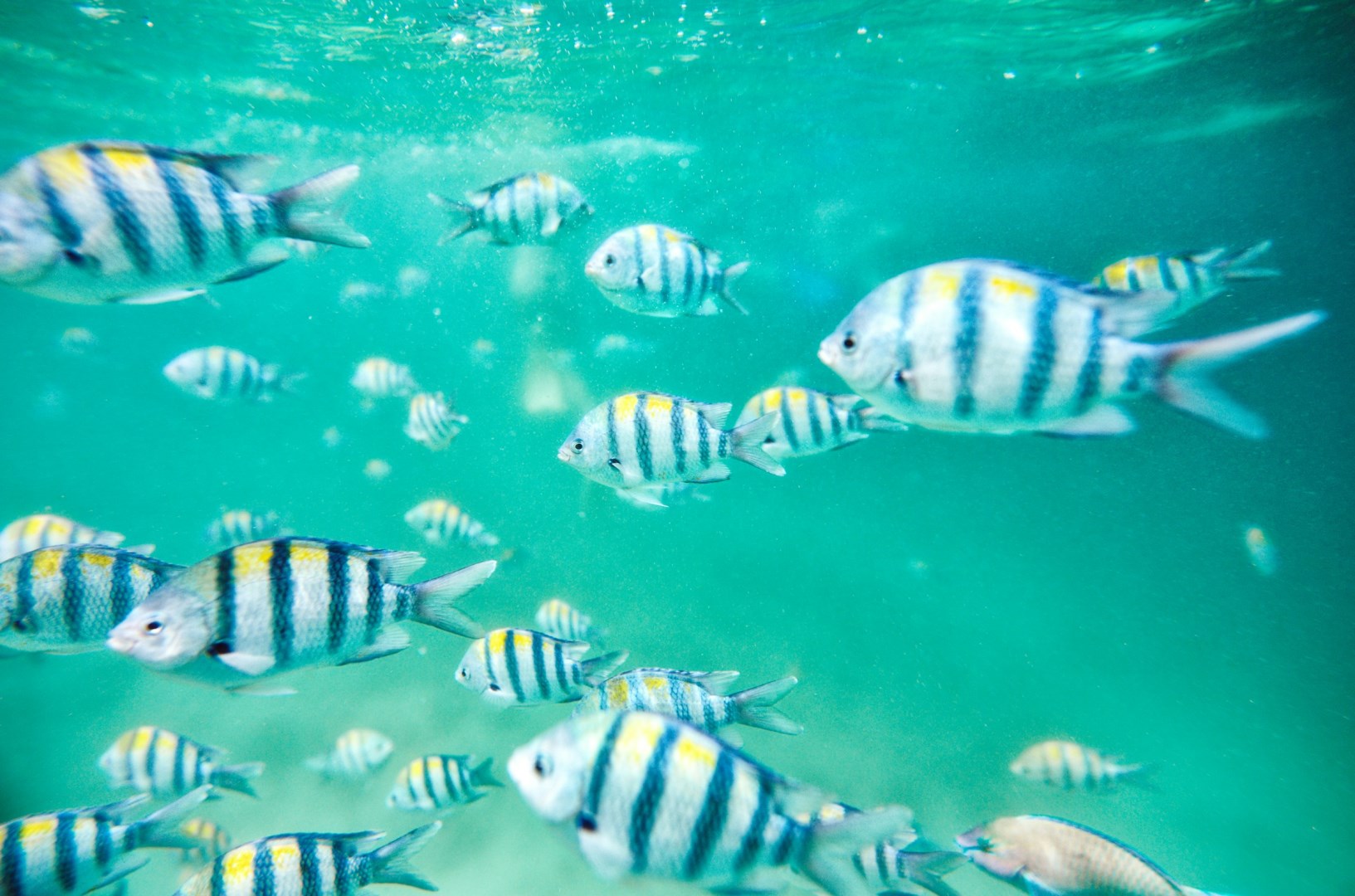
The Gili Islands are a group of three small islands off the northwest coast of Lombok in West Nusa Tenggara: Gili Trawangan, Gili Meno, and Gili Air. Each island has a distinct character, but all are surrounded by clear tropical waters, coral reefs, and sandy beaches. Gili Trawangan is the largest and most developed, Gili Meno is quieter and less populated, while Gili Air combines tourism with a resident island community.
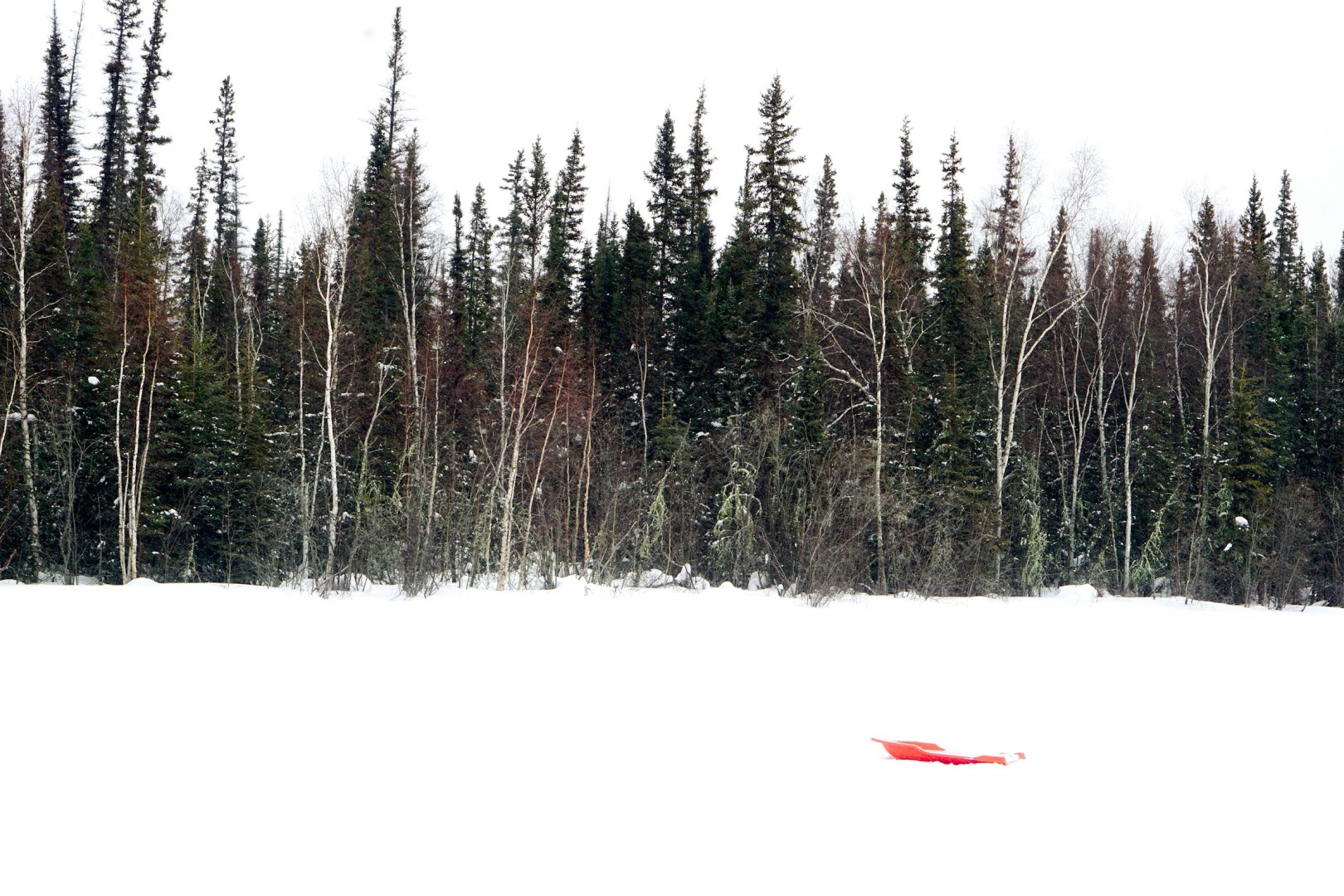
Northwest Territories
The Northwest Territories is a vast northern region of Canada defined by open tundra, boreal forests, major rivers, and some of the country’s largest lakes. Yellowknife, the territorial capital, sits on the northern shore of Great Slave Lake and serves as a central hub for travel, government, arts, and northern commerce. Farther north, communities such as Inuvik and Tuktoyaktuk provide access to the Arctic landscape and coastal regions. T
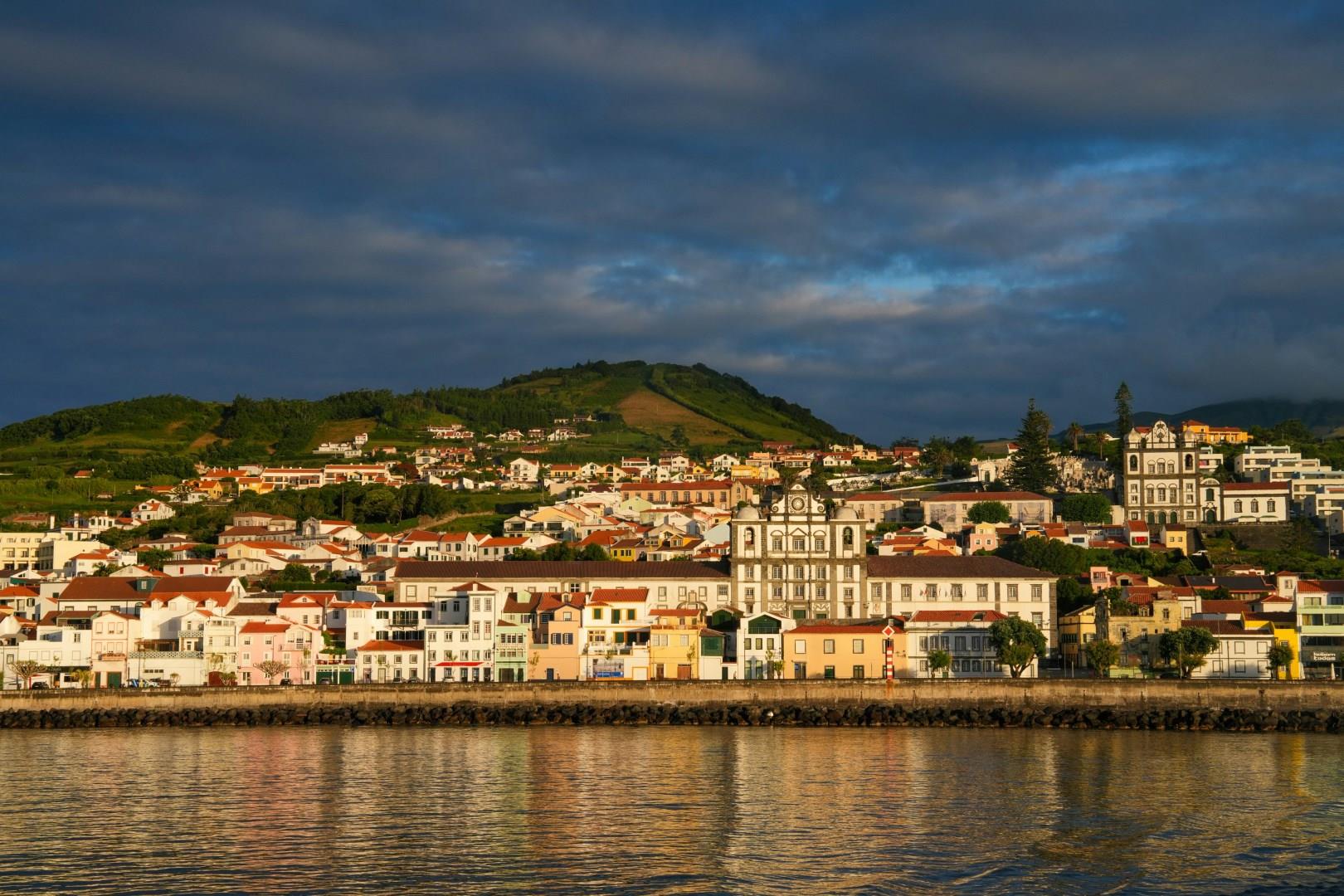
Horta Faial Island
Horta sits on the southeastern coast of Faial Island in the Azores, long defined by its position in the mid-Atlantic. For centuries it served as a critical stop for whaling ships, transatlantic sailors, and later yachts crossing between Europe and the Americas.
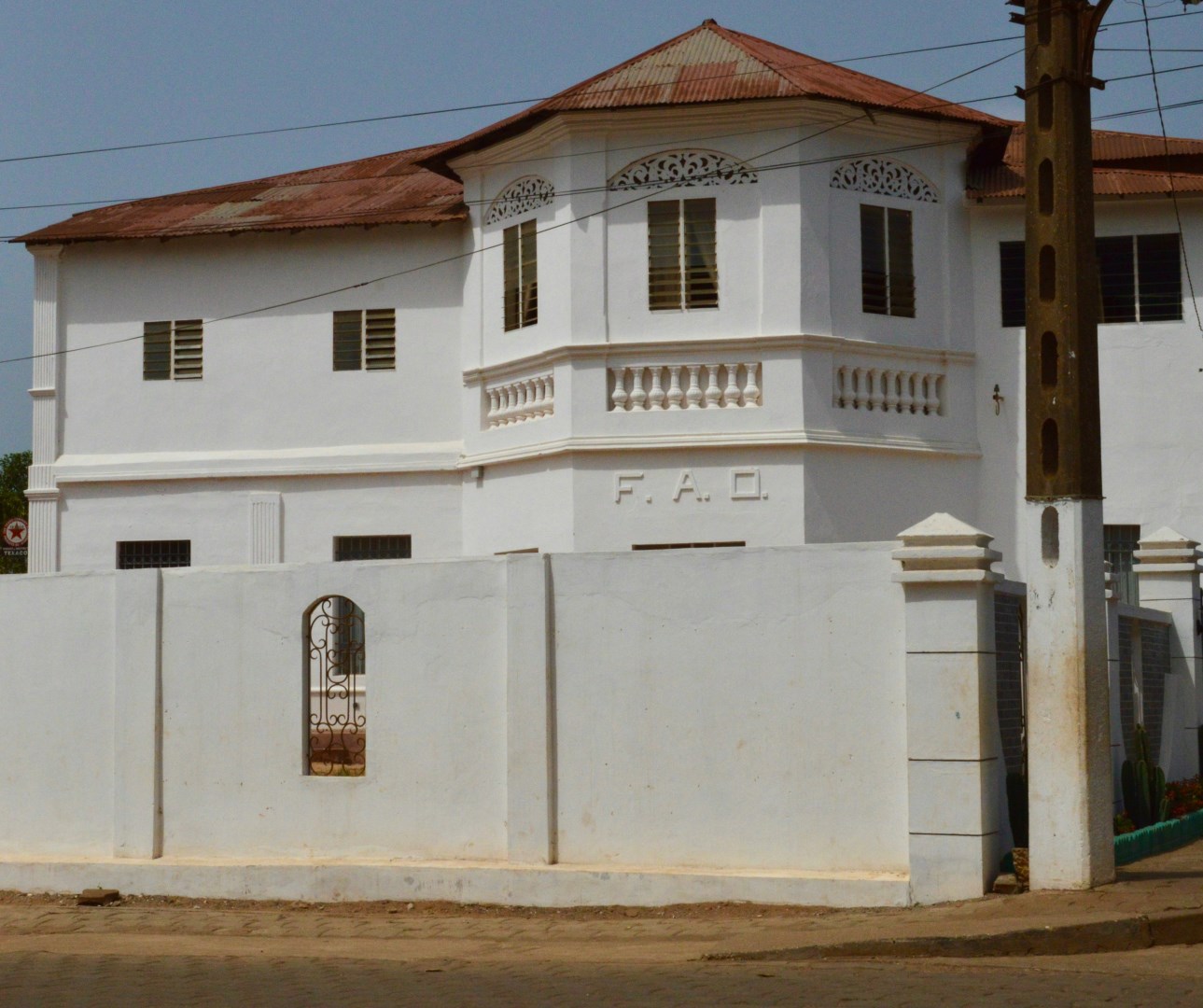
Ouidah
Ouidah is a coastal city in southern Benin, situated between the Atlantic Ocean and a network of lagoons and wetlands. It is one of the country’s most historically significant destinations and is known for its connections to the Atlantic slave trade, religious traditions, and cultural heritage.