Palawan Island
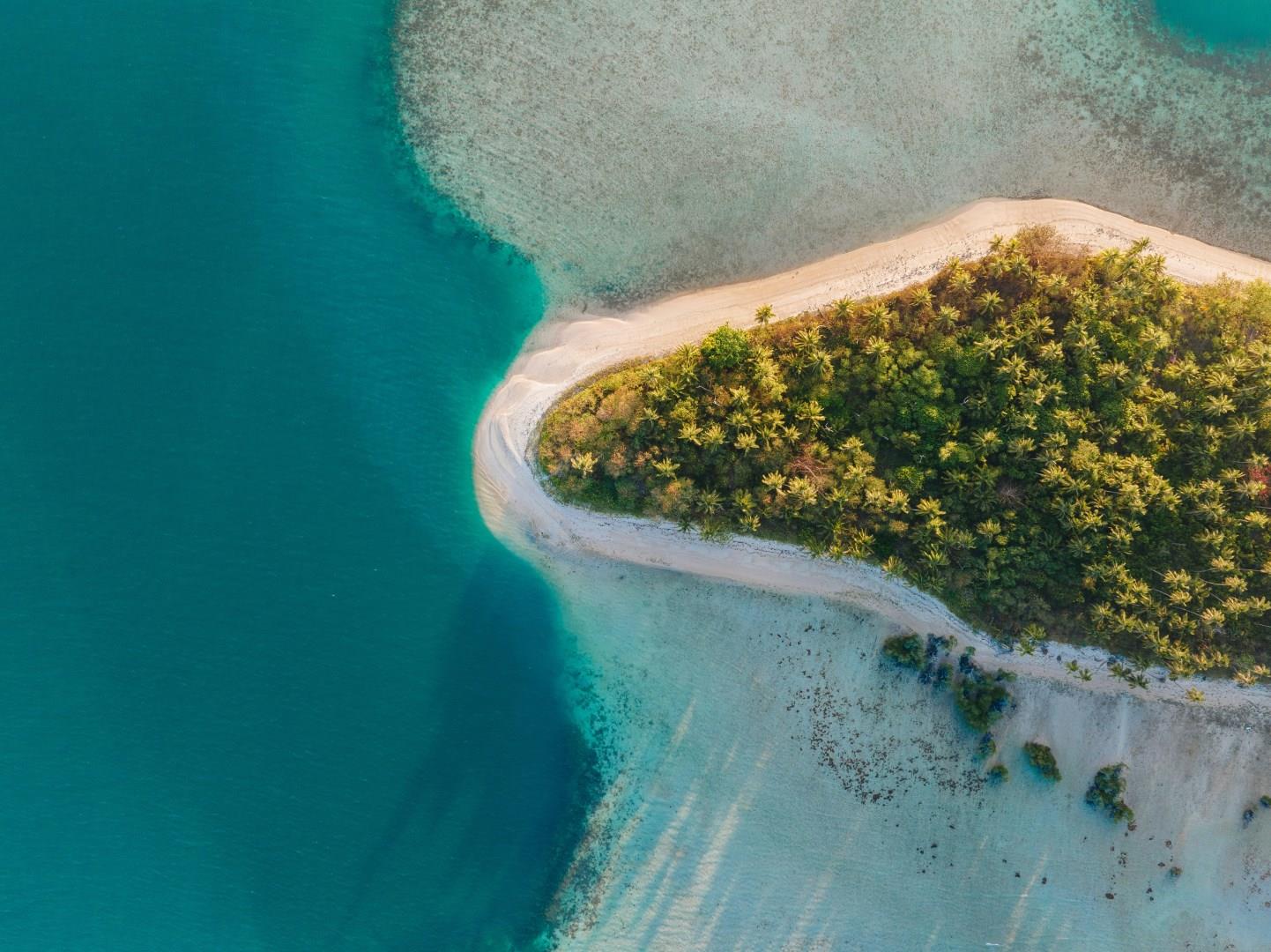
Palawan Island stretches along the western edge of the Philippines, shaped by seafaring routes, Indigenous cultures, and relative isolation from the country’s major urban centers.
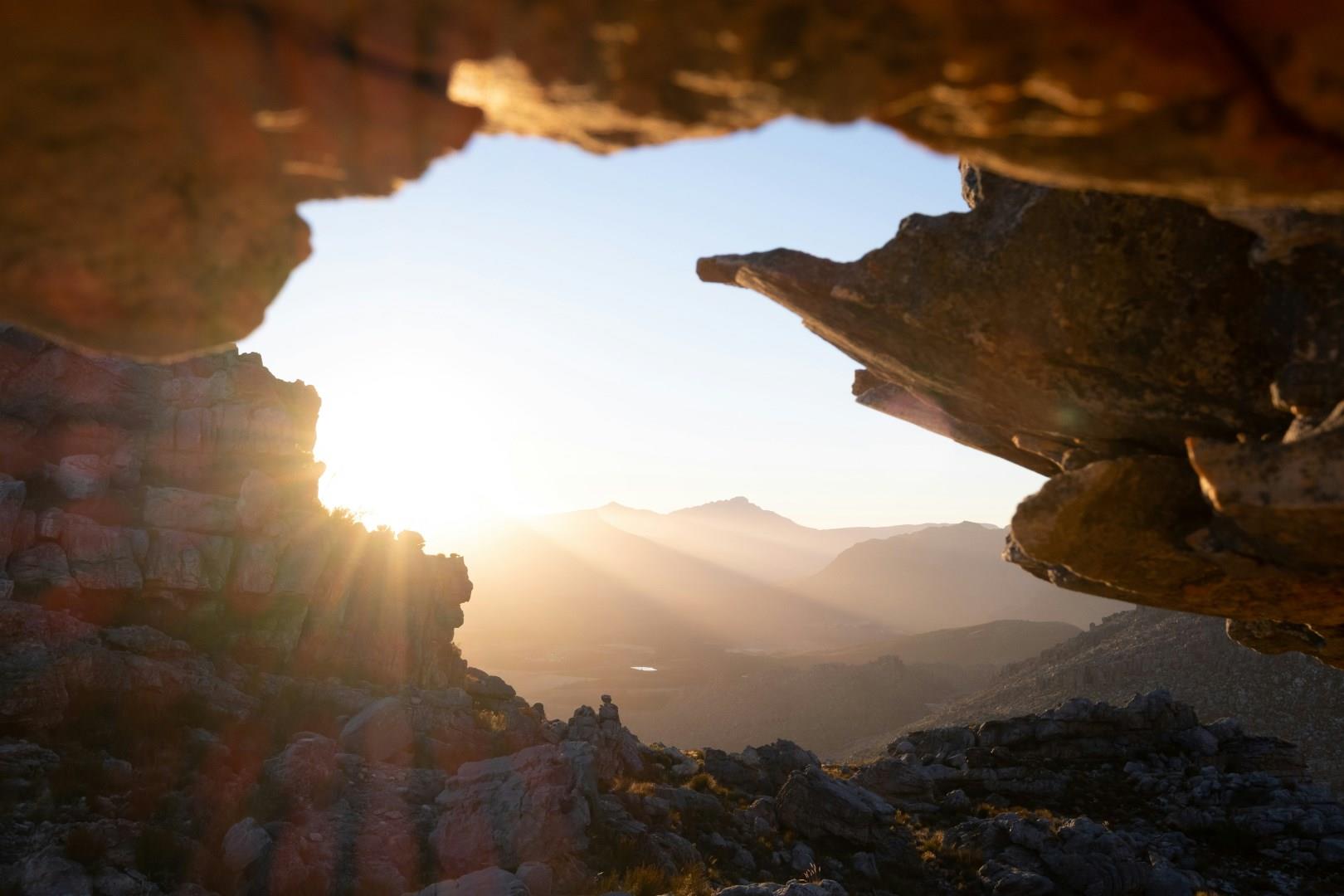
Cederberg
The Cederberg region in the Western Cape of South Africa is a striking land of rocky ridges, wide skies, and quiet valleys. Less than three hours’ drive from Cape Town, the jagged sandstone mountains rise in shapes that seem carved by giants, and shady kloofs hide wonders like ancient rock art that tell stories from thousands of years ago. Hikes to natural landmarks like Wolfberg Arch and the Maltese Cross take visitors deep into terrain shaped by time.
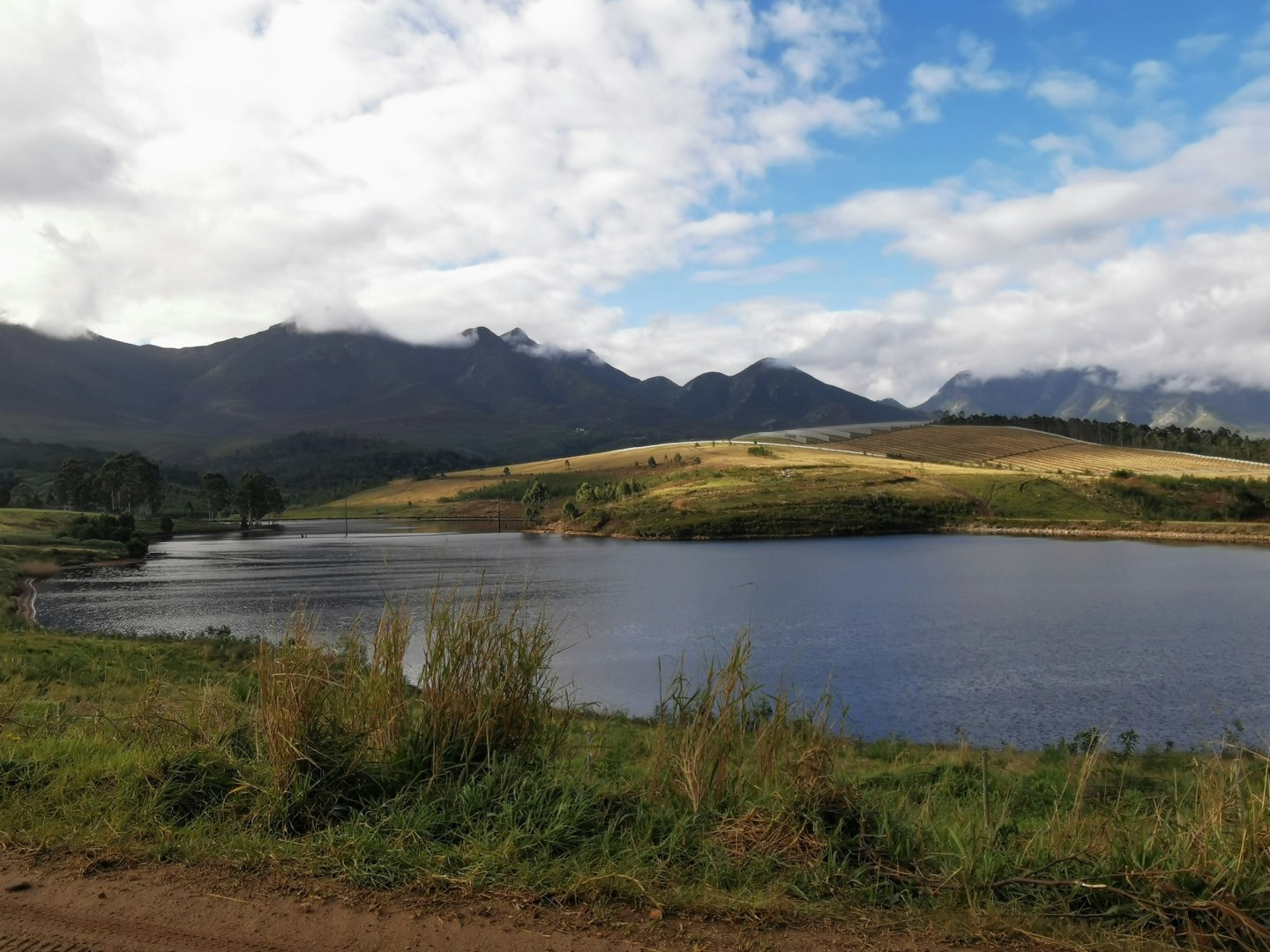
George
George, nestling below the magnificent Outeniqua Mountains is the sixth oldest town in South Africa. It is situated in the beautiful Western Cape Province and is the Capital of the Southern Cape. The town's central position between Cape Town and Port Elizabeth and its close proximity to other towns of the Garden Route with road, air and rail links to all the important centers in the country, has resulted in George becoming a major distribution, education and medical centre.
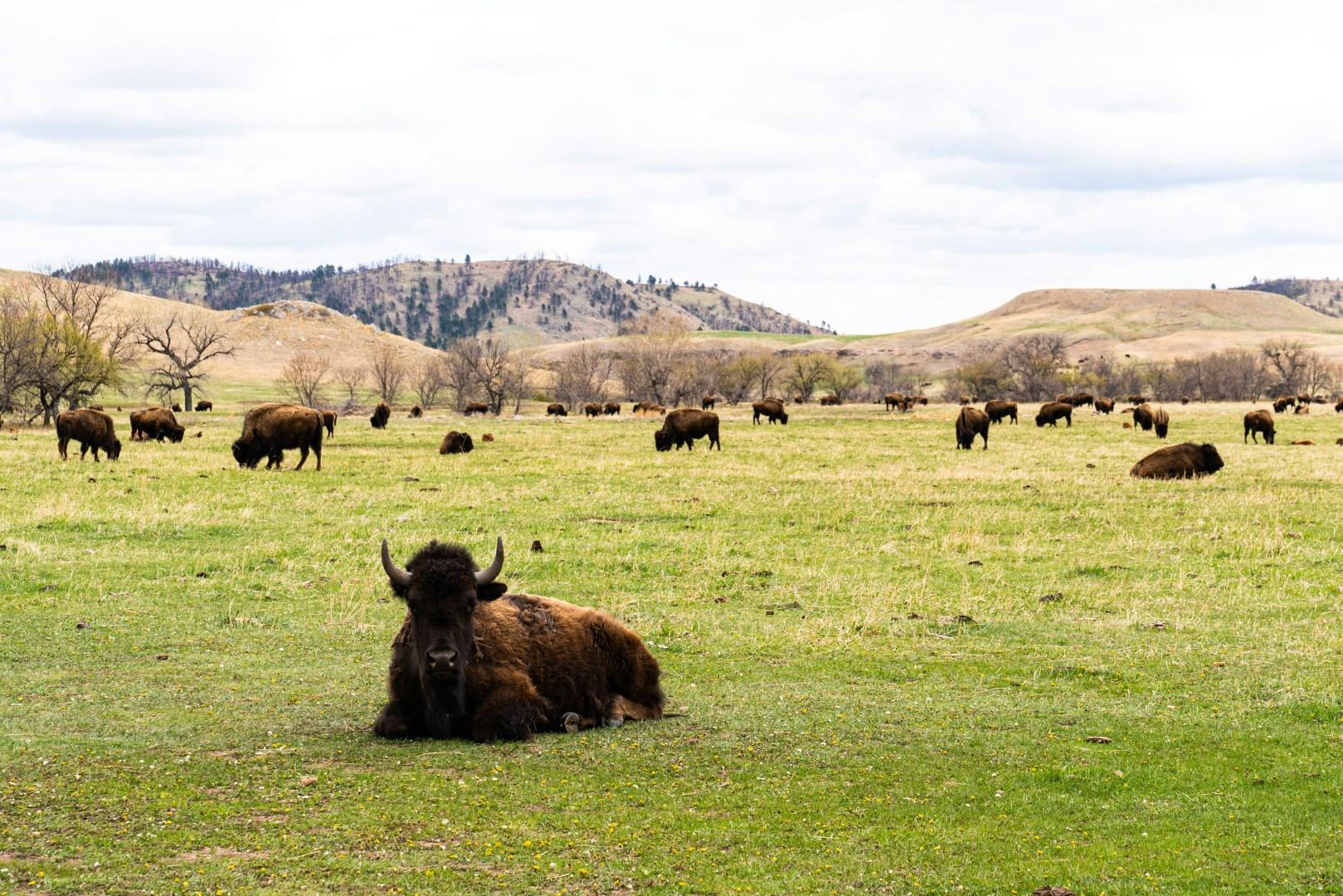
Custer
Nestled in the heart of the Black Hills, Custer, South Dakota is a small town with big stories. Established in 1875 during the Black Hills Gold Rush, Custer holds the distinction of being the oldest town in the region still in existence. Today, it serves as a gateway to some of South Dakota’s most iconic sights. With historic buildings, locally owned shops, and friendly diners lining Mount Rushmore Road, it offers a laid-back atmosphere that balances Old West charm with modern-day hospitality.
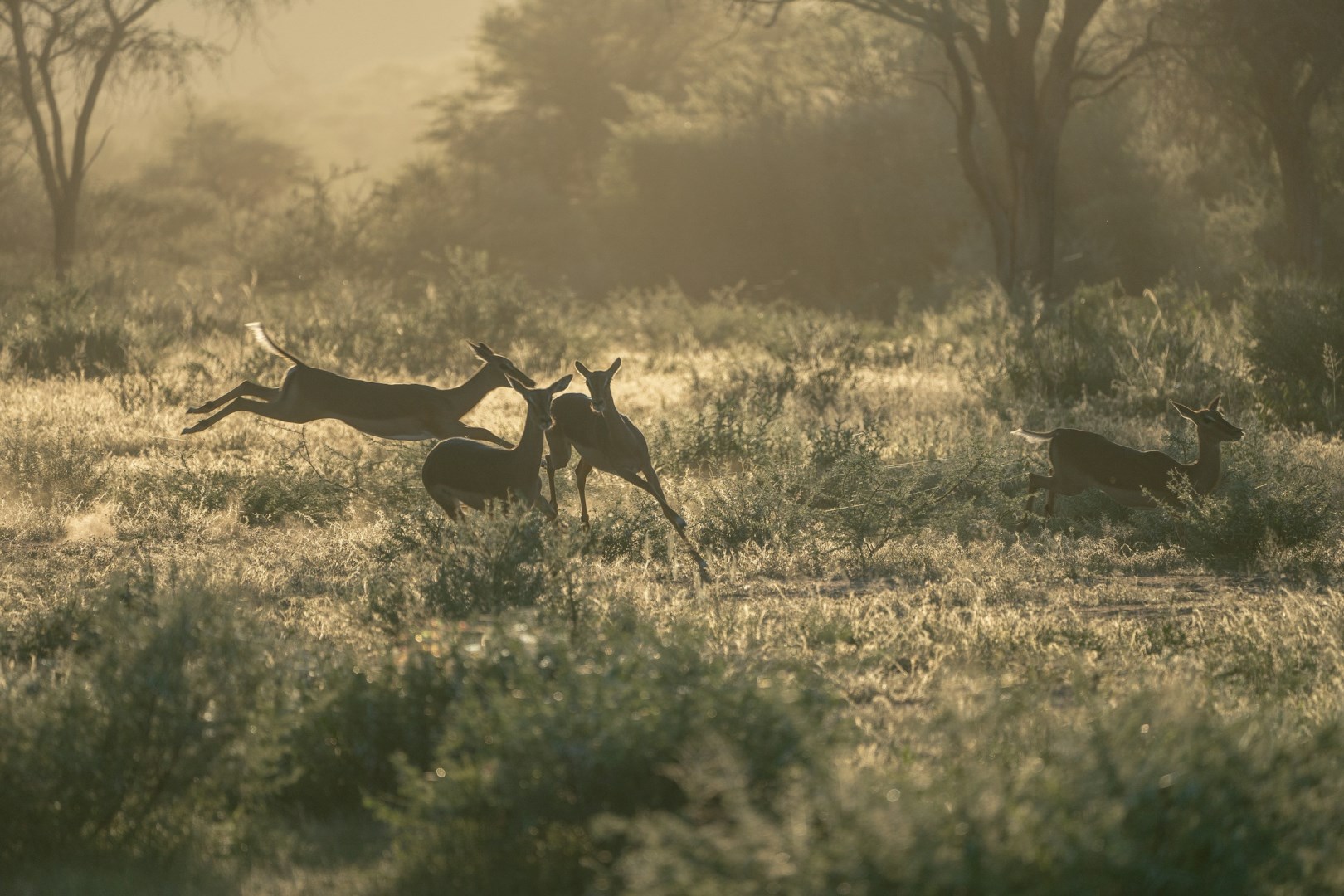
Okonjima Nature Reserve
Okonjima Nature Reserve is a 22,000-hectare private conservation area in central Namibia, located between Windhoek and Etosha National Park at the base of the Omboroko Mountains. The reserve combines rolling savanna, mountain outcrops, riverine thickets, and areas of thornveld, creating varied habitat for wildlife.