Buffalo
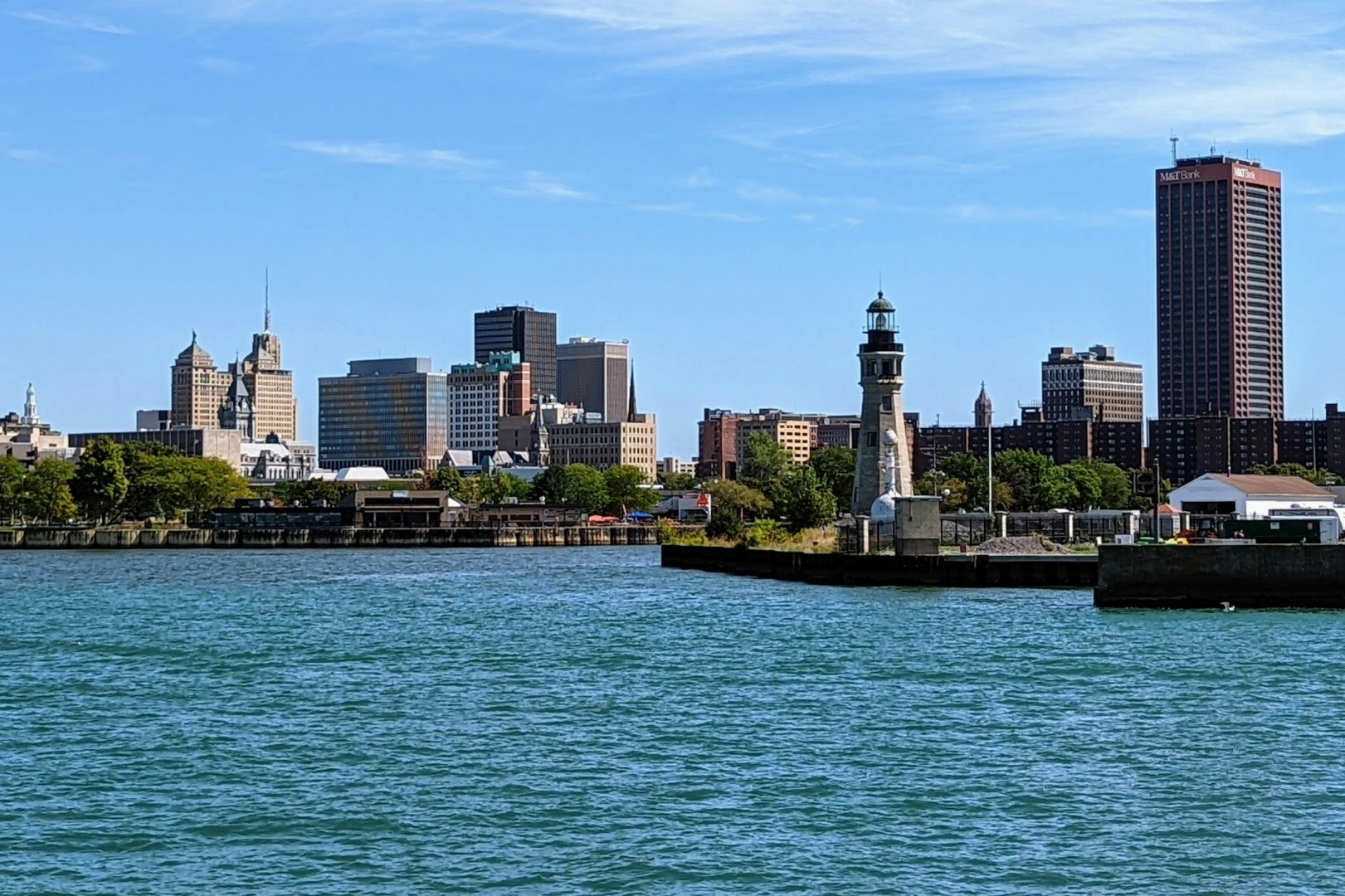
Buffalo, the second-largest city in New York State, sits at the eastern end of Lake Erie where the Niagara River begins its journey toward Niagara Falls. Once a powerhouse of American industry and trade, Buffalo thrived in the 19th and early 20th centuries as a major shipping and manufacturing hub, thanks to its strategic location along the Erie Canal and Great Lakes.
Socotra
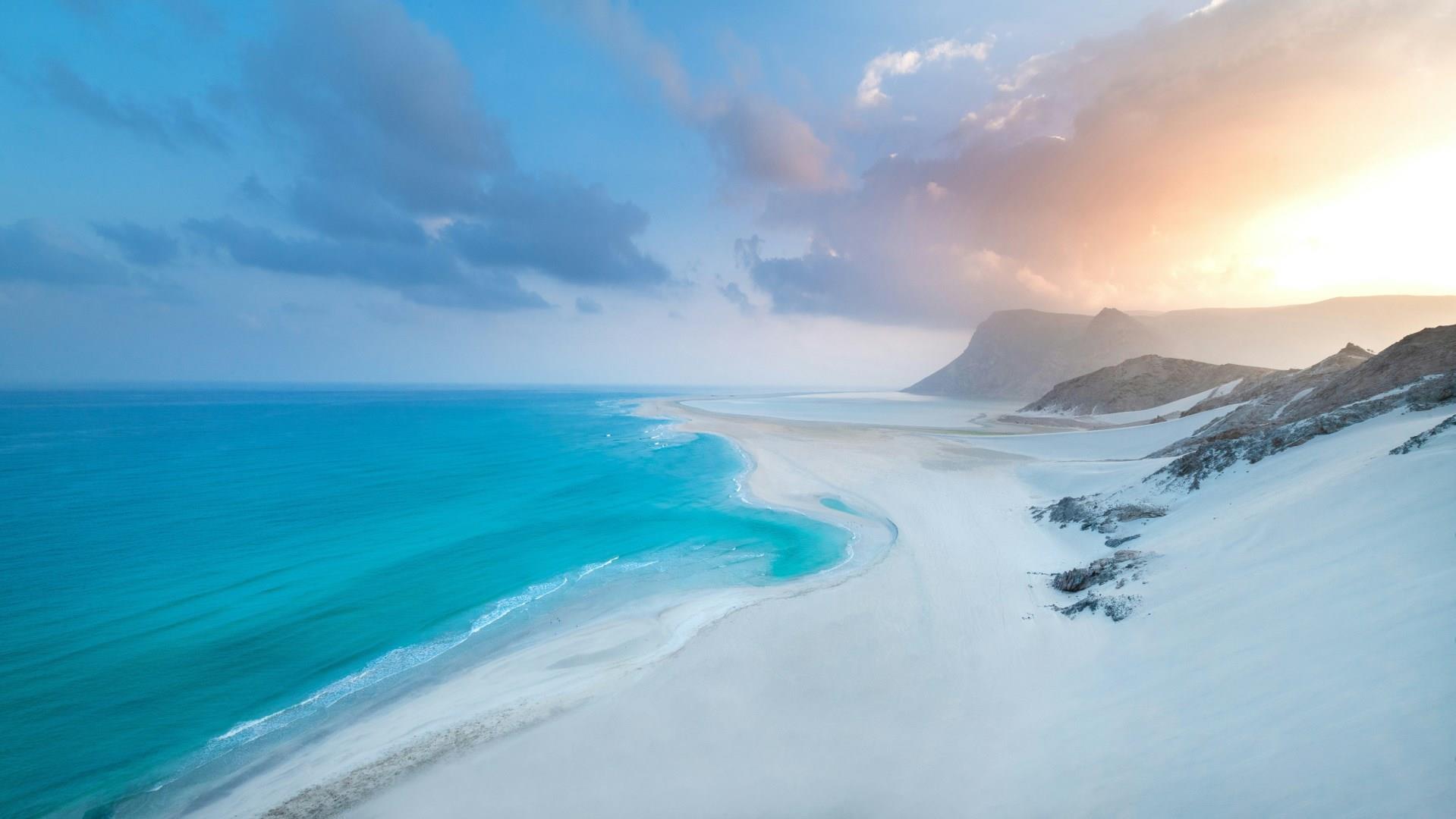
Socotra rises from the Arabian Sea like a world apart, its landscapes shaped over millennia. The Dragon’s Blood Trees, with their umbrella-shaped crowns and deep red sap, stand among the most iconic sights here. In places like Dixam Plateau and Homhil Forest, these trees gather in sparse formations, creating scenes that feel both ancient and alien. The resin remains valued for traditional dyes and remedies.
Gili Islands
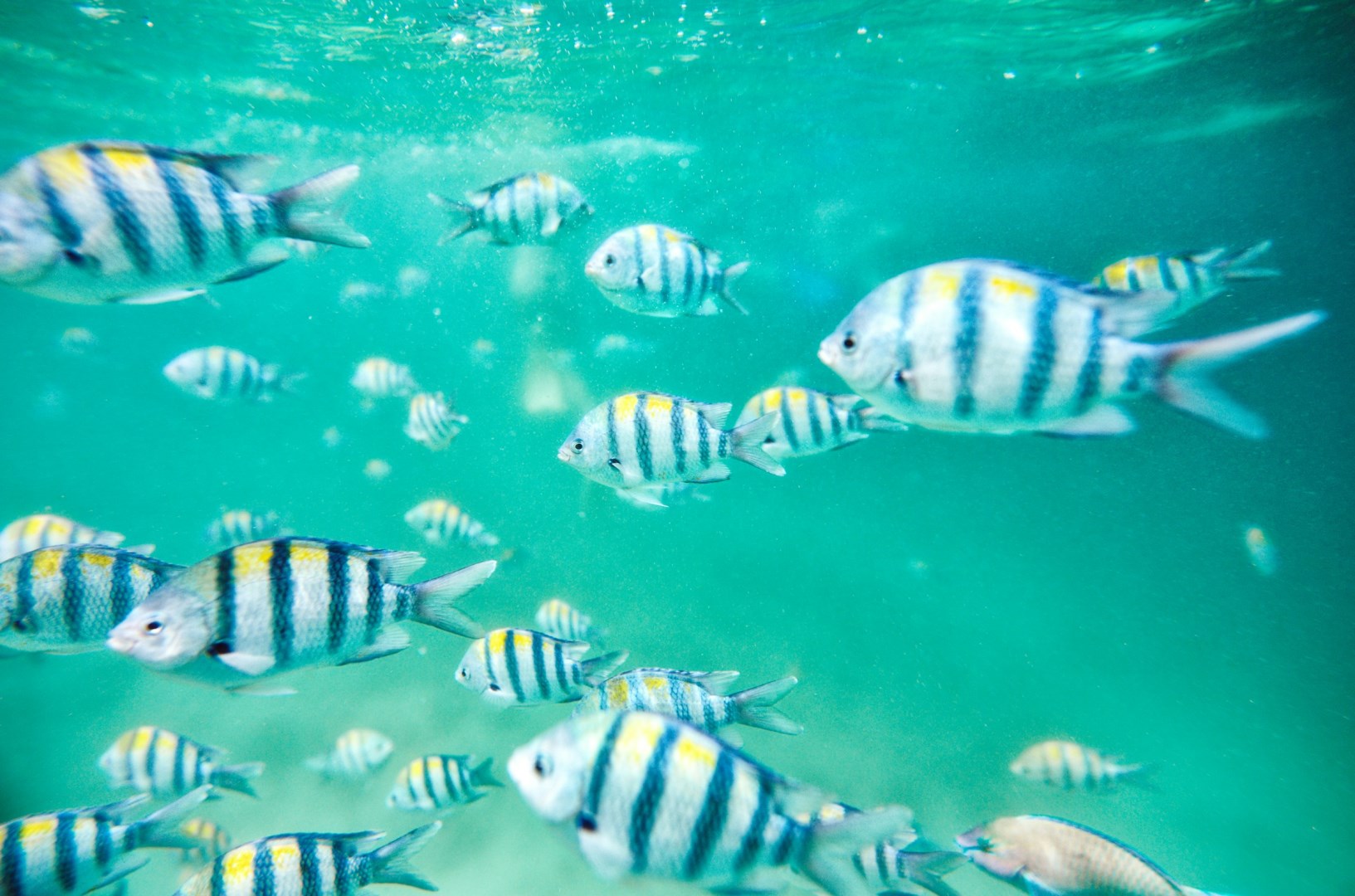
The Gili Islands are a group of three small islands off the northwest coast of Lombok in West Nusa Tenggara: Gili Trawangan, Gili Meno, and Gili Air. Each island has a distinct character, but all are surrounded by clear tropical waters, coral reefs, and sandy beaches. Gili Trawangan is the largest and most developed, Gili Meno is quieter and less populated, while Gili Air combines tourism with a resident island community.
Palo Duro Canyon State Park
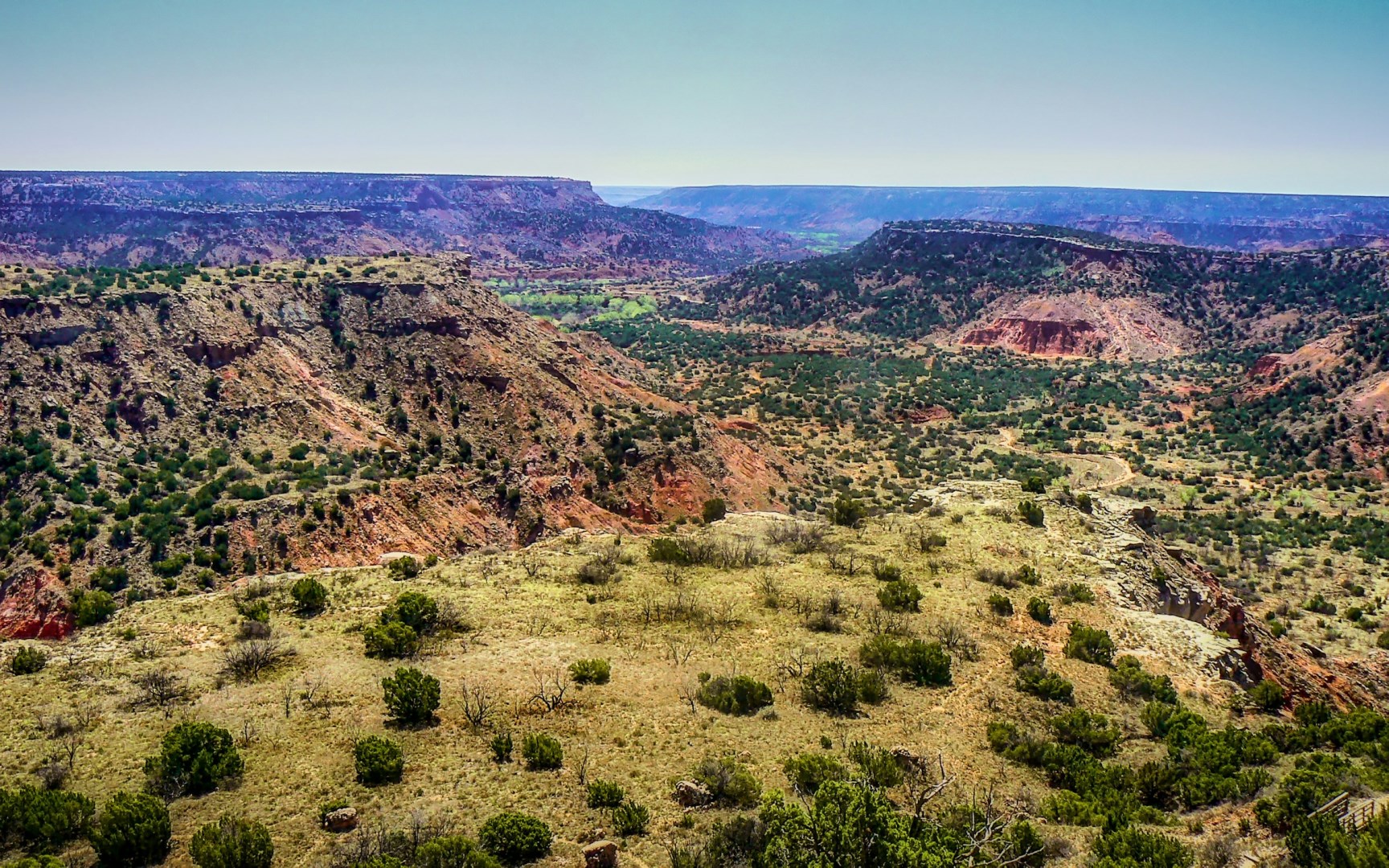
Palo Duro Canyon State Park lies in the Texas Panhandle near Canyon, protecting a section of Palo Duro Canyon, often called the “Grand Canyon of Texas.” The canyon stretches through the surrounding High Plains, with layered rock walls, mesas, buttes, and dry grasslands creating a landscape distinct from most of Texas.

Manila
Manila is the capital of the Philippines and a densely built city on the eastern shore of Manila Bay. It serves as a major center for government, commerce, education, and the arts, while its neighborhoods reveal different layers of Filipino life. The Pasig River connects the city to the wider metropolitan area, and the waterfront remains an important part of its setting. Manila is especially known for Intramuros, the walled historic district at the heart of the city.