Areguá
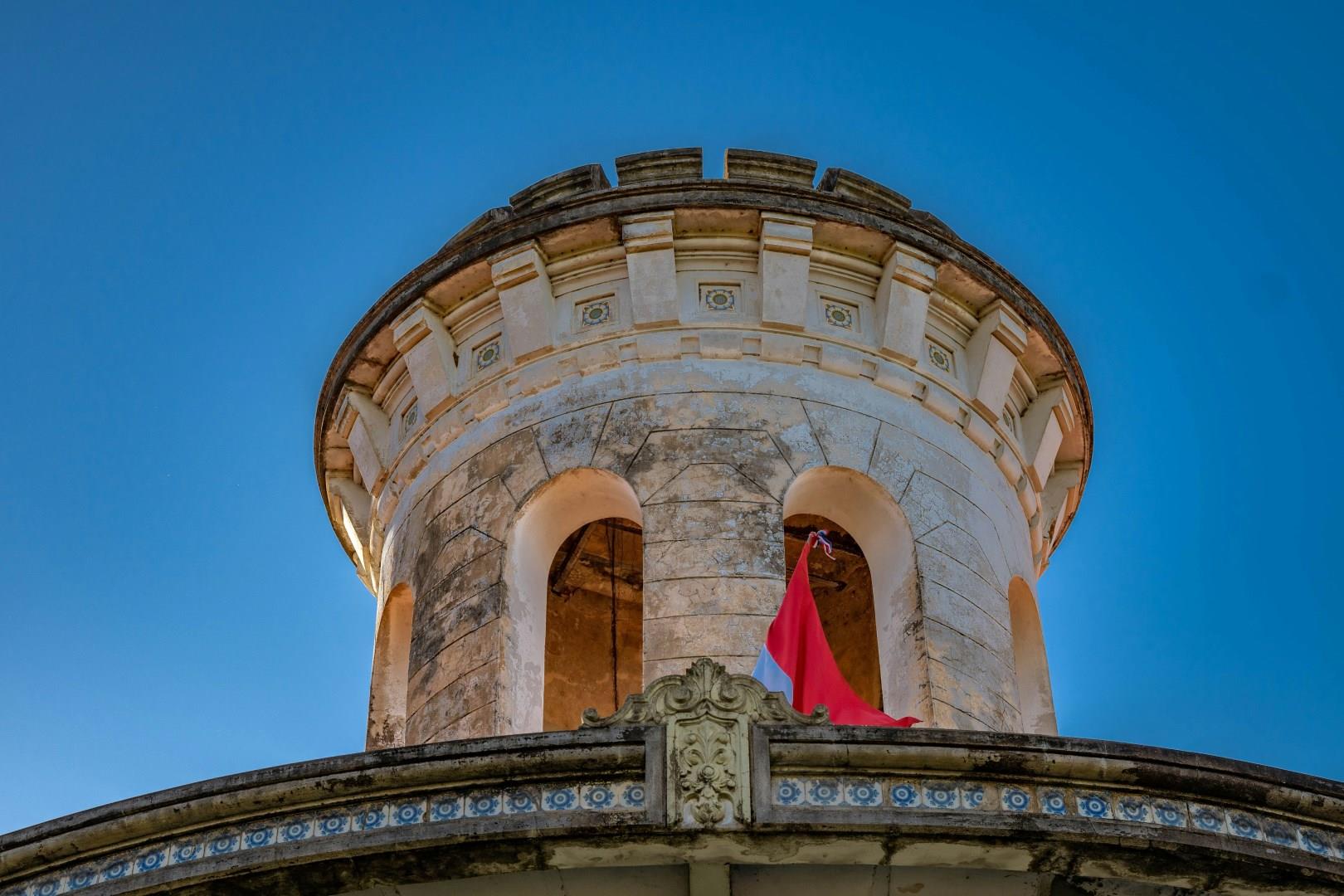
Just 30 kilometers from Asunción, Areguá welcomes visitors with cobbled streets, colonial facades, and a creative energy that has earned it the title of Paraguay’s “City of Arts.” Known for its thriving artist community and traditional crafts, Areguá is perched on the edge of Lake Ypacaraí and framed by rolling hills and red clay cliffs. Whether you're arriving for the annual strawberry fair or simply passing through on a weekend escape, Areguá invites slow walks, open studios, and conversation.
Naha
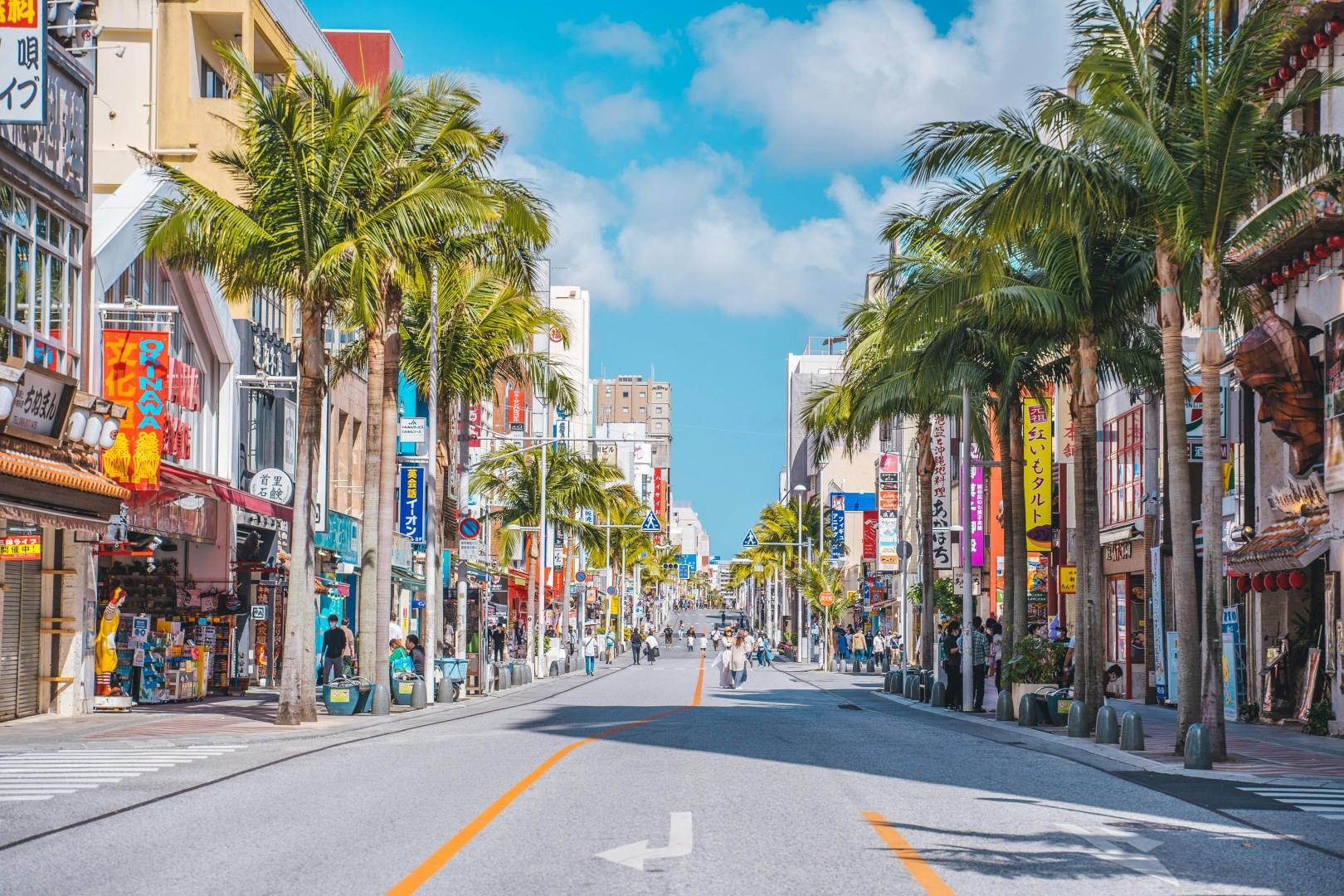
Naha is the cultural and administrative heart of Okinawa Island, shaped by its past as the capital of the Ryukyu Kingdom.
Guinea
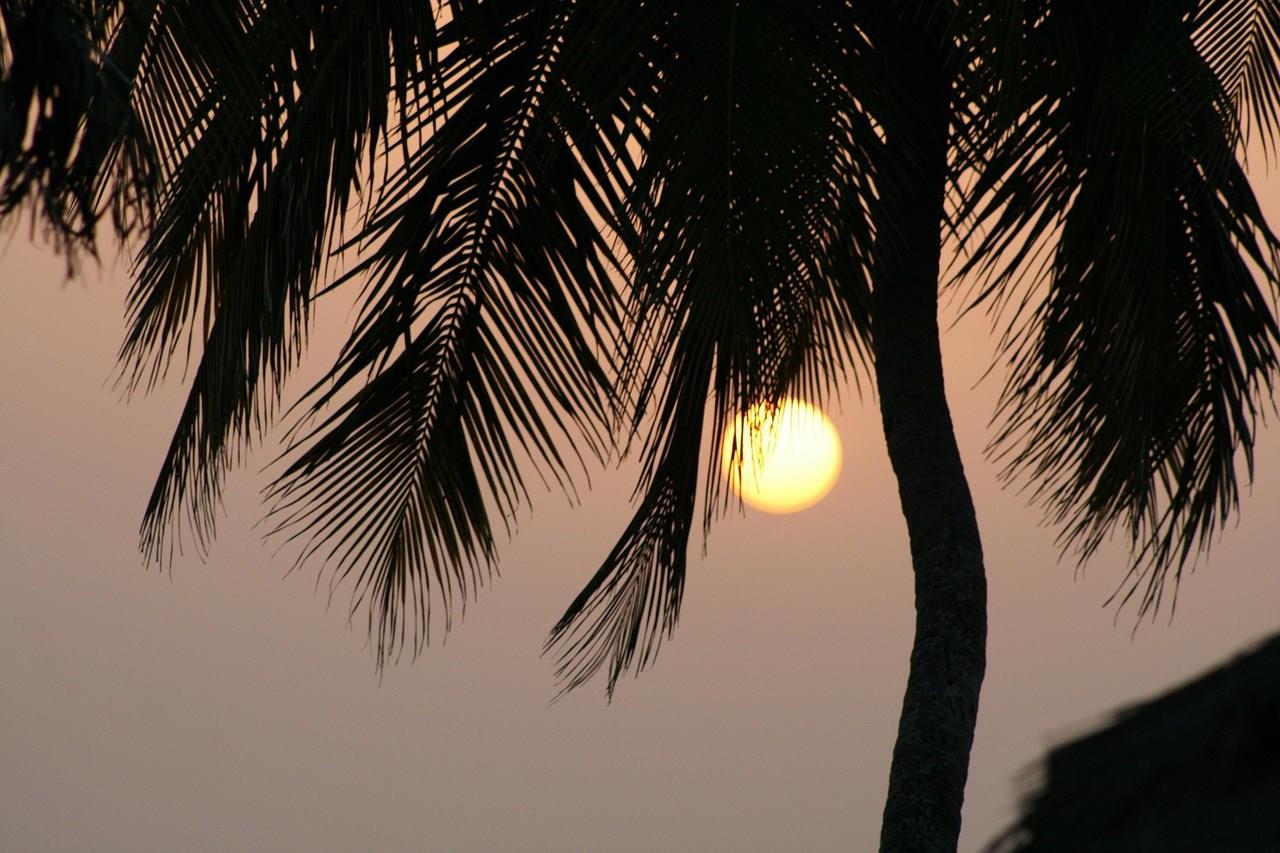
Guinea, located on the west coast of Africa, offers a rich blend of landscapes, cultures, and traditions that remain largely untouched by mass tourism. Its Atlantic shoreline is dotted with fishing villages and sandy beaches, while inland, rolling highlands and dense rainforests give way to sweeping savannas.
Iqaluit
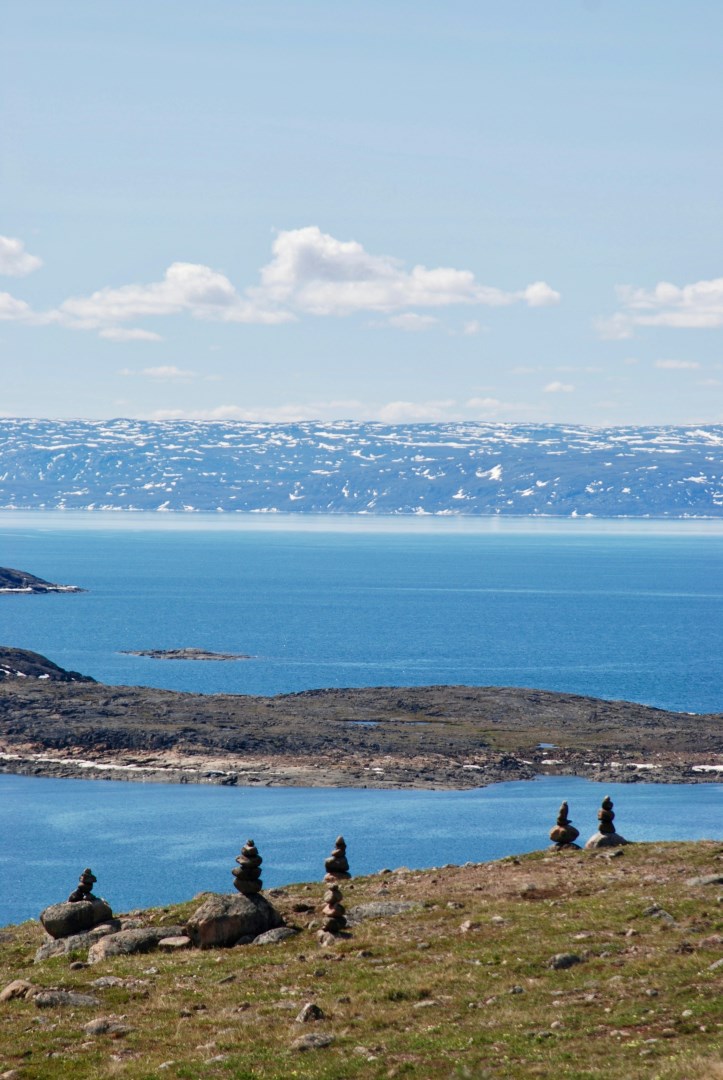
Iqaluit is the capital of Nunavut and the largest community in the territory, located at the head of Frobisher Bay on southern Baffin Island. The city is surrounded by rocky hills, tundra, freshwater ponds, and broad coastal waters, with a landscape shaped by Arctic weather and seasonal sea ice. Iqaluit serves as Nunavut's administrative, transportation, educational, and commercial centre, while remaining closely connected to traditional Inuit activities.
Salima
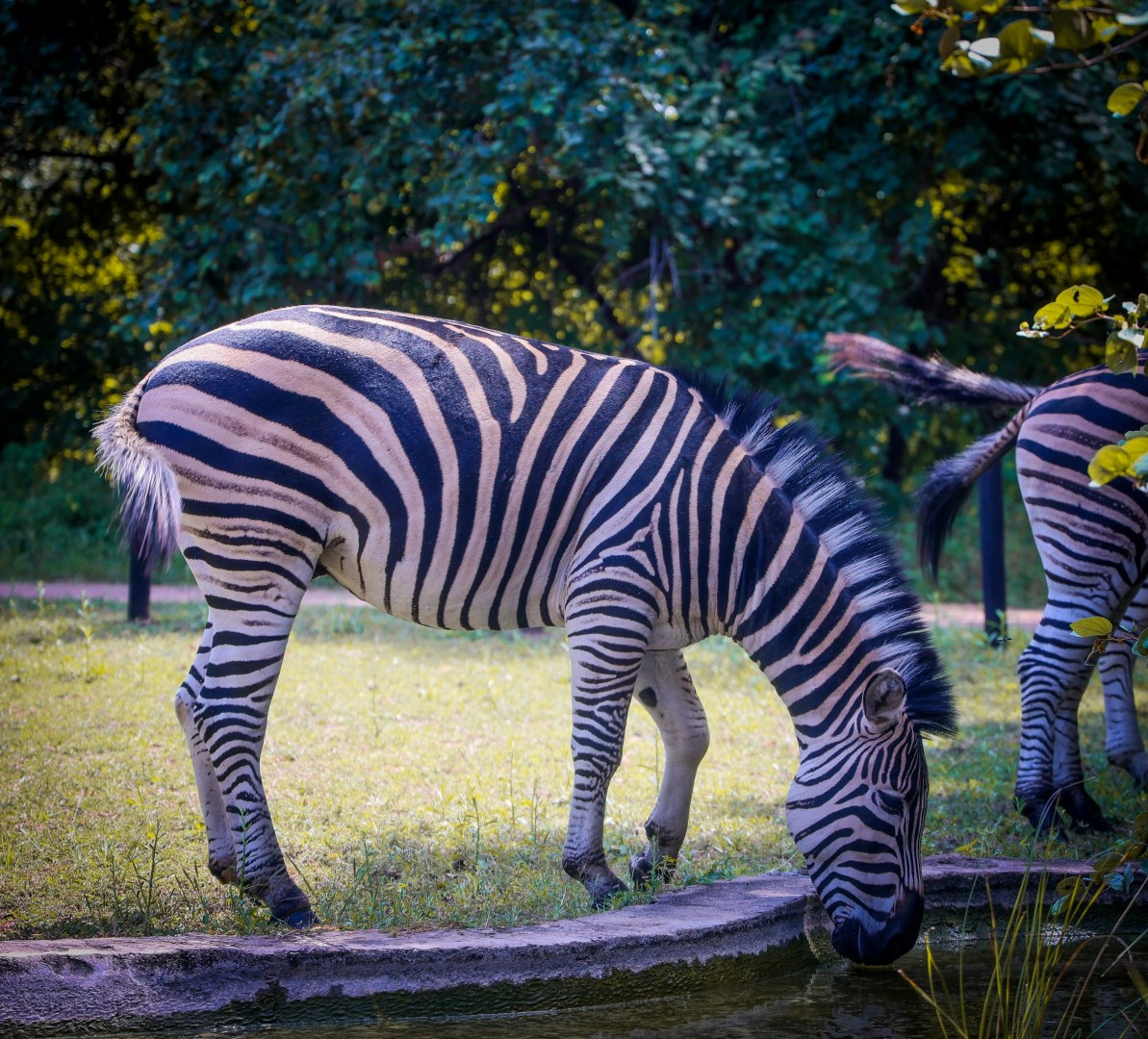
Salima is a lakeside town in central Malawi, located between Lake Malawi and the capital city, Lilongwe. Its position near the lake has made it an important centre for fishing, agriculture, trade, and transport. Salima also has a practical connection to Lake Malawi through nearby Senga Bay, one of the better-known recreational areas on the central lakeshore. Its combination of inland commerce and easy access to the lake gives the town a distinctive role in central Malawi.