São Tomé & Príncipe, a two-island nation in the Gulf of Guinea, is one of Africa’s smallest yet most captivating destinations. Known for its unspoiled landscapes, it offers lush rainforests, volcanic peaks, and secluded beaches.
San Gimignano, a stunning medieval hilltop town in Tuscany, Italy, is often called the "Medieval Manhattan" due to its remarkable skyline of ancient towers. Encircled by 13th-century walls, the town is a UNESCO World Heritage site that offers a mesmerizing journey back in time. As you stroll along the cobbled streets of the historic center, you'll be enchanted by the preserved Romanesque and Gothic architecture, from charming piazzas to grand churches.
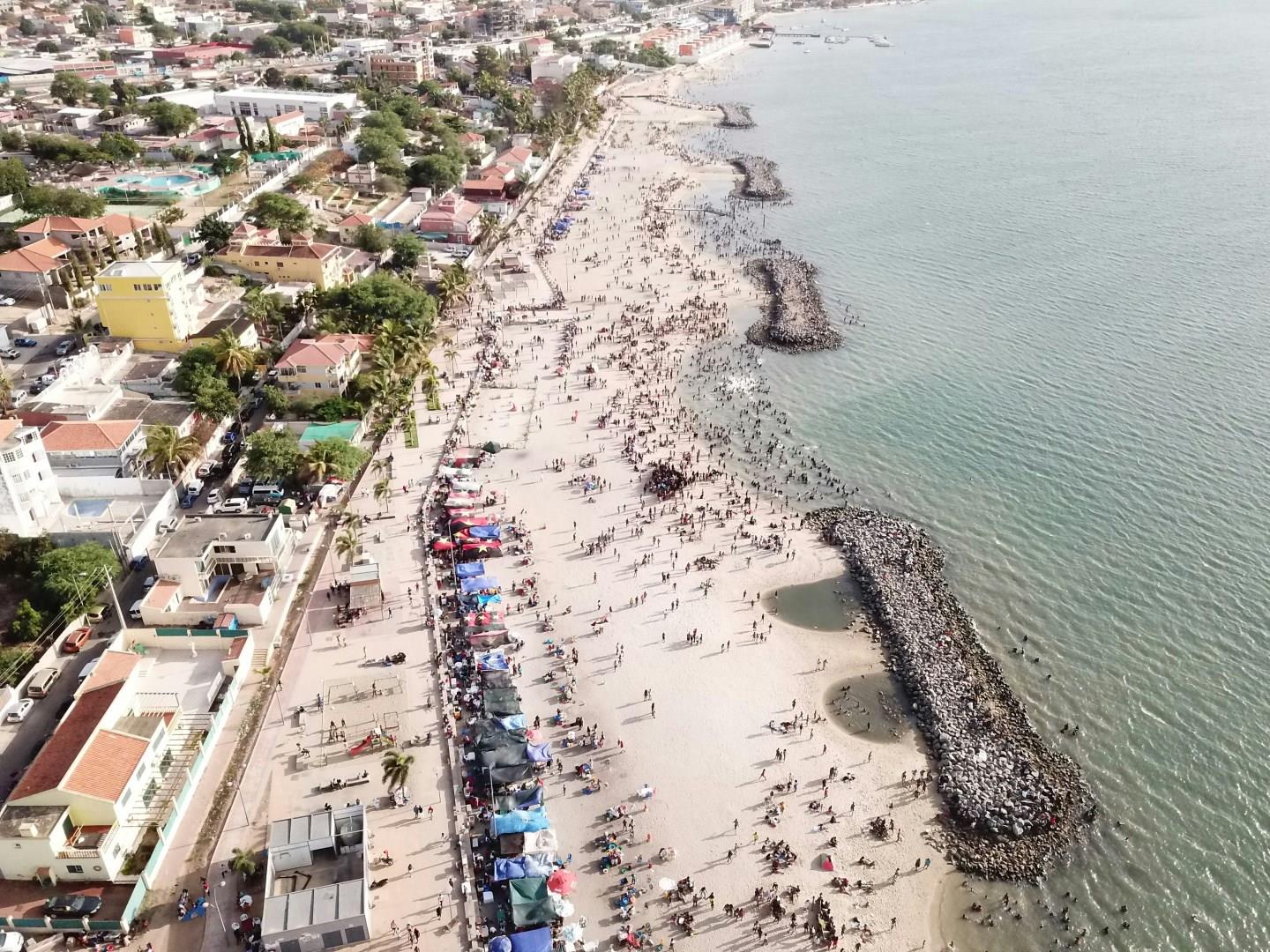
Luanda, the vibrant capital of Angola, is the country's largest city and primary economic hub, known for its bustling energy and rich cultural scene. Modern Luanda is characterized by its dynamic growth and development. The city boasts an impressive skyline, including the Avenida 4 de Fevereiro, a major thoroughfare lined with modern high-rises and vibrant markets. The Baía de Luanda, a stunning bay area, offers beautiful waterfront promenades and opportunities for relaxation and leisure.
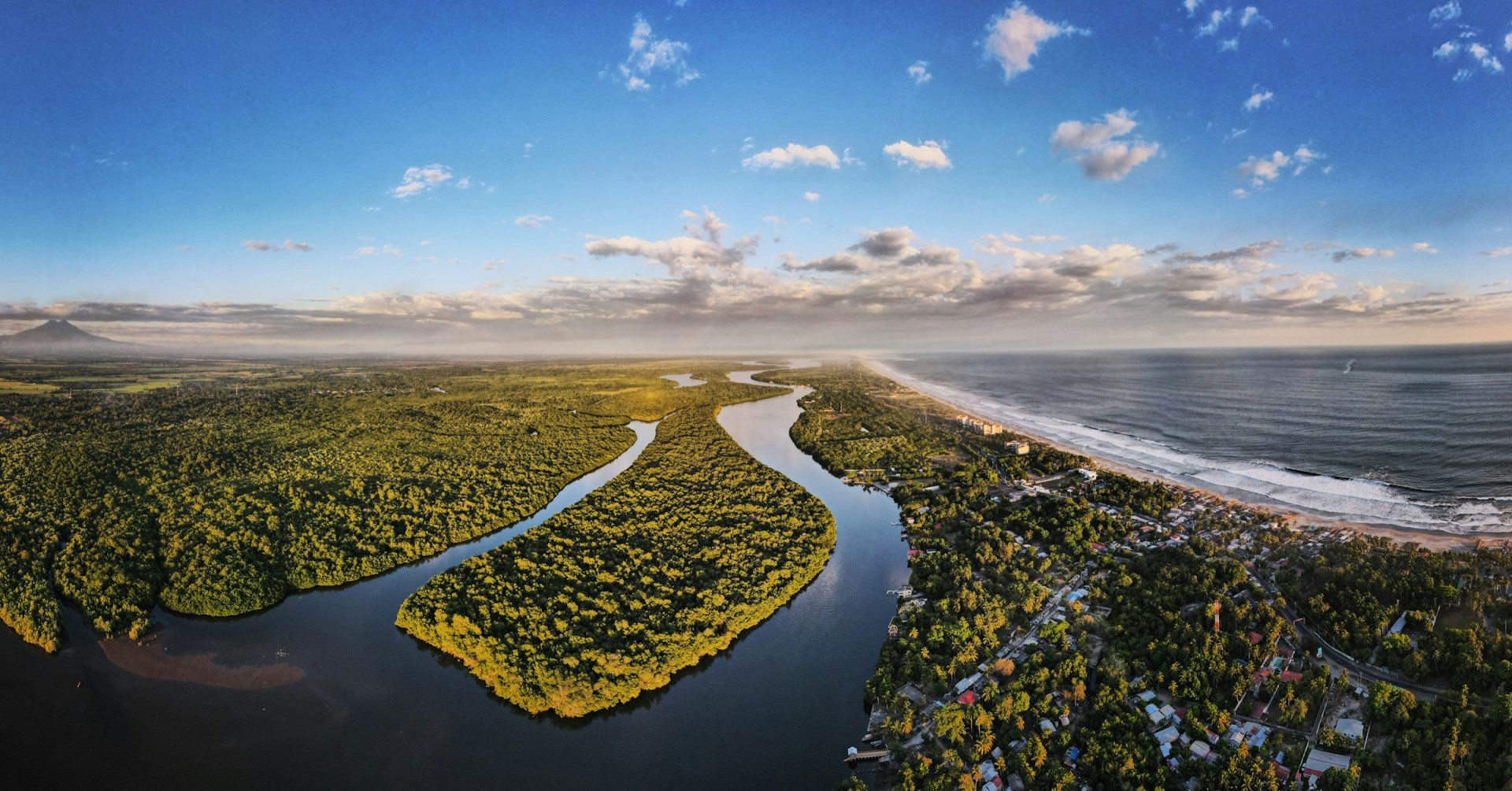
El Salvador, the smallest country in Central America, carries a big presence with its blend of history, culture, and dramatic landscapes. Known as the “Land of Volcanoes,” it has more than twenty within its borders, some of which remain active and shape the country’s terrain.
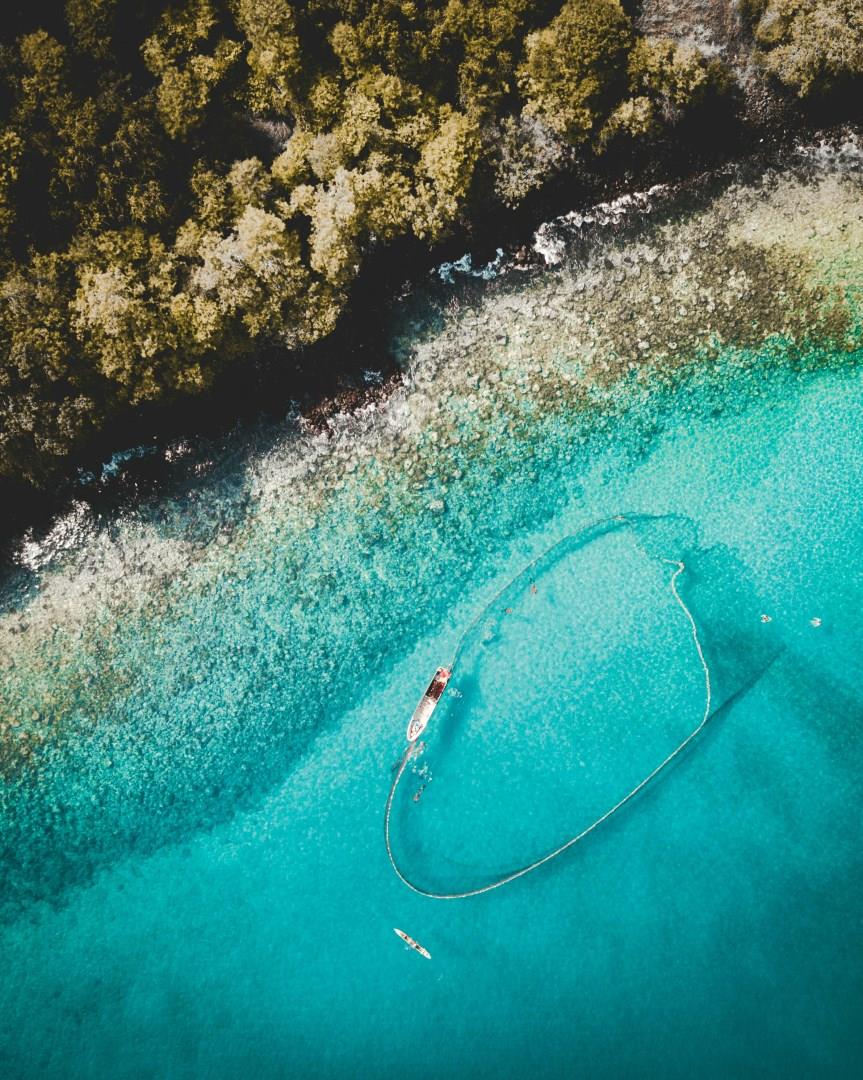
Tahiti is a veritable paradise in the South Pacific. The largest and most populous island of French Polynesia's Society Islands, Tahiti is known for its iconic overwater bungalows, crystal-clear cerulean water, and lush, tropical rainforests.
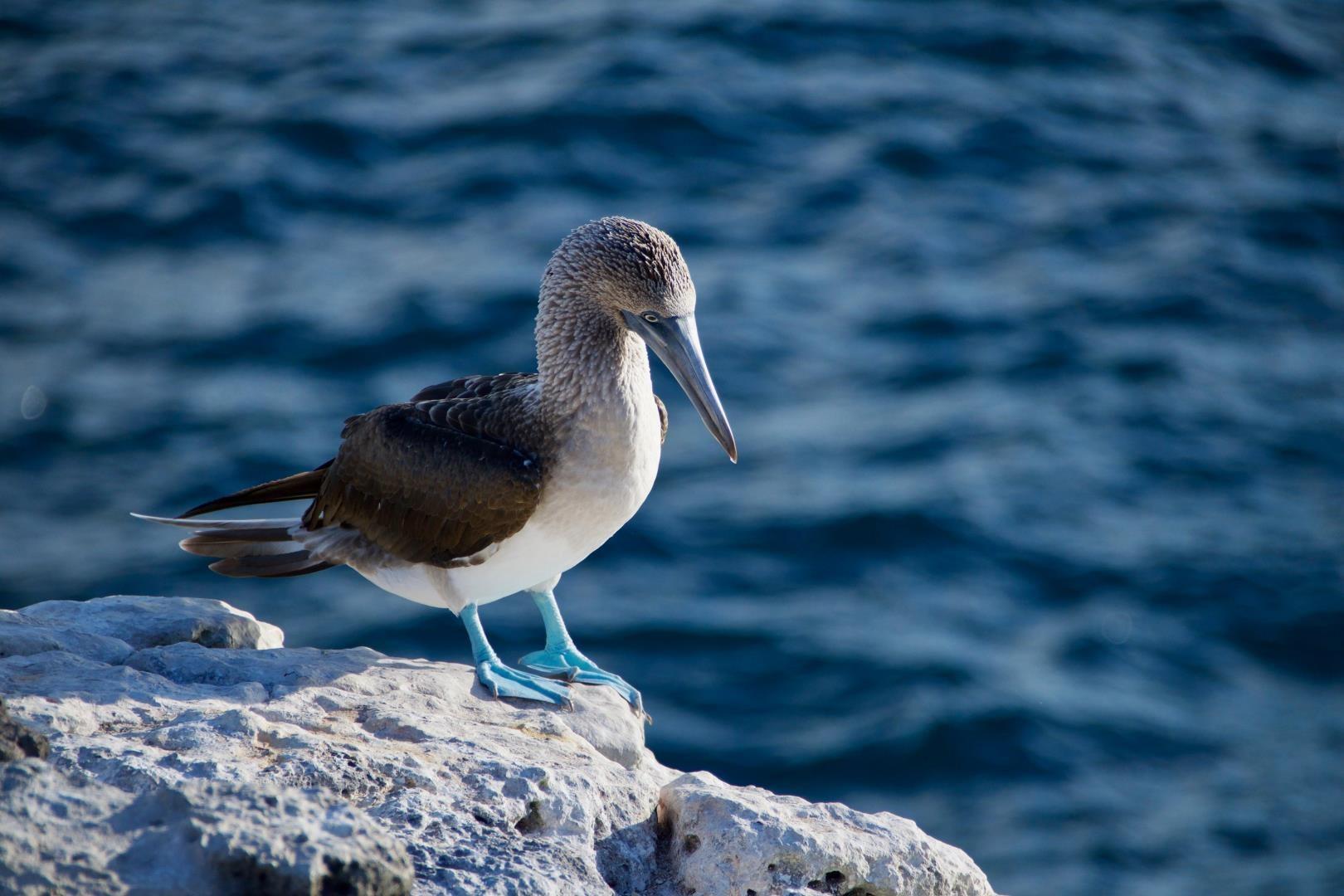
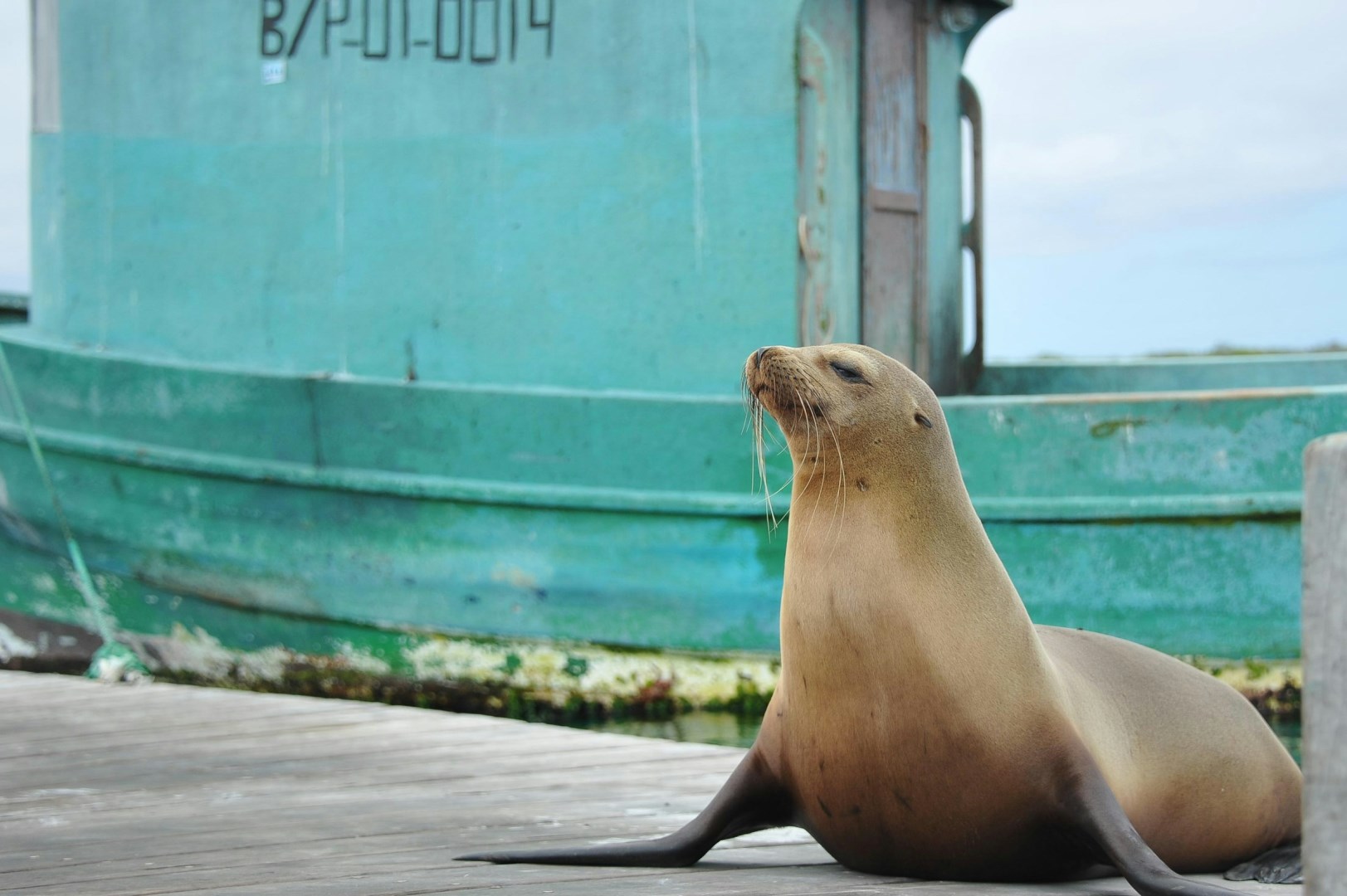
Photo Credit: Photo by Bjarn Bronsveld on Unsplash
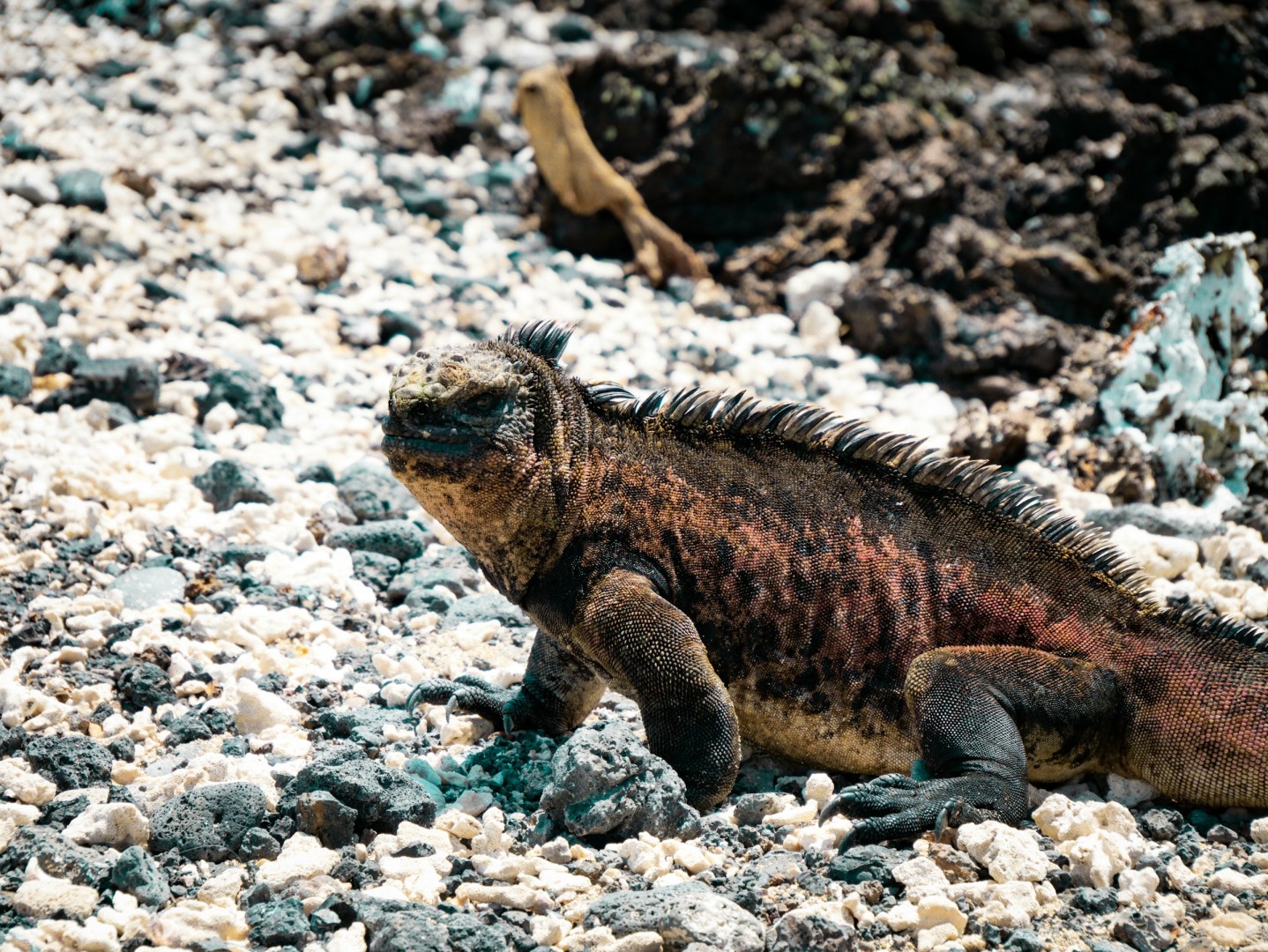
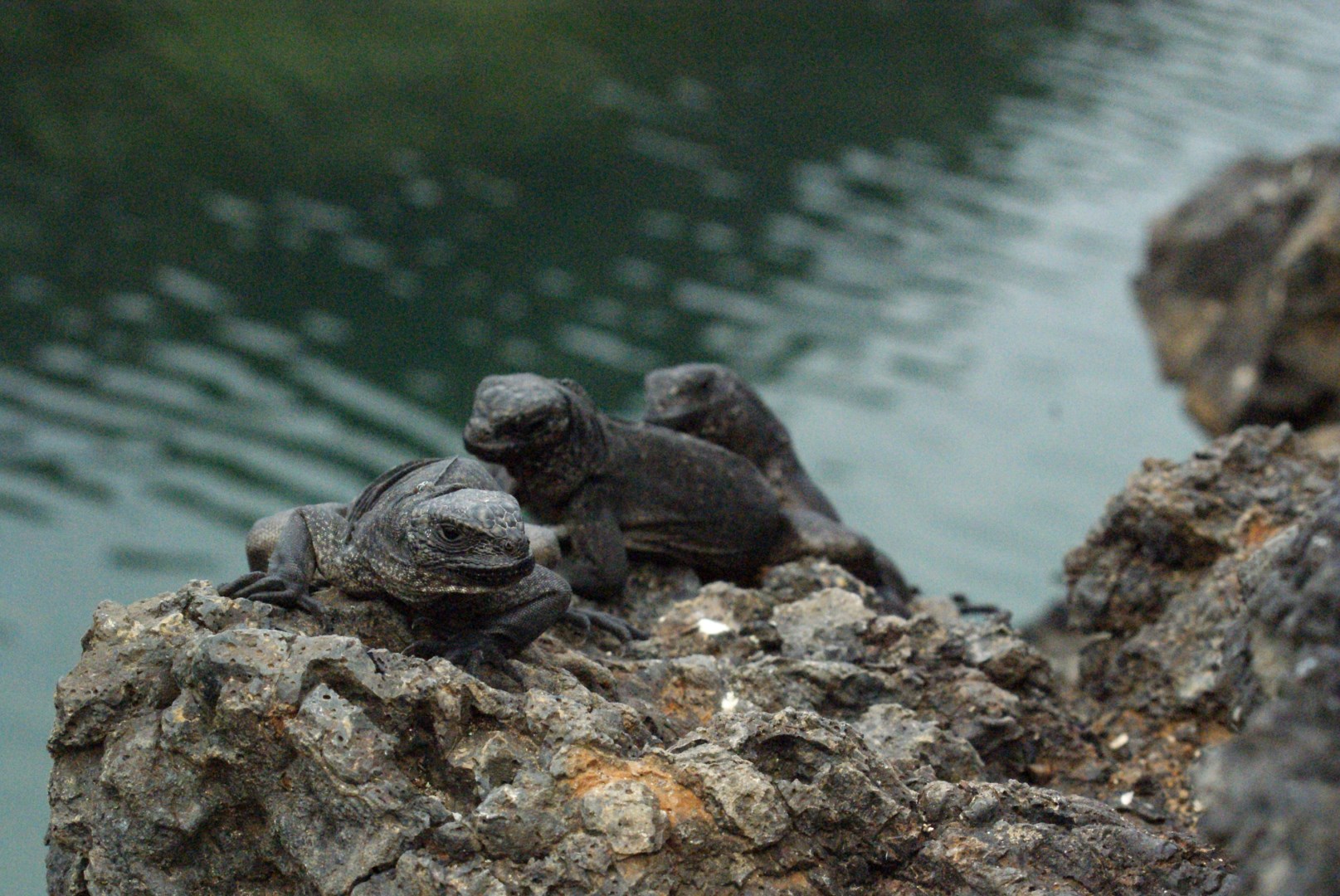
Marine iguana
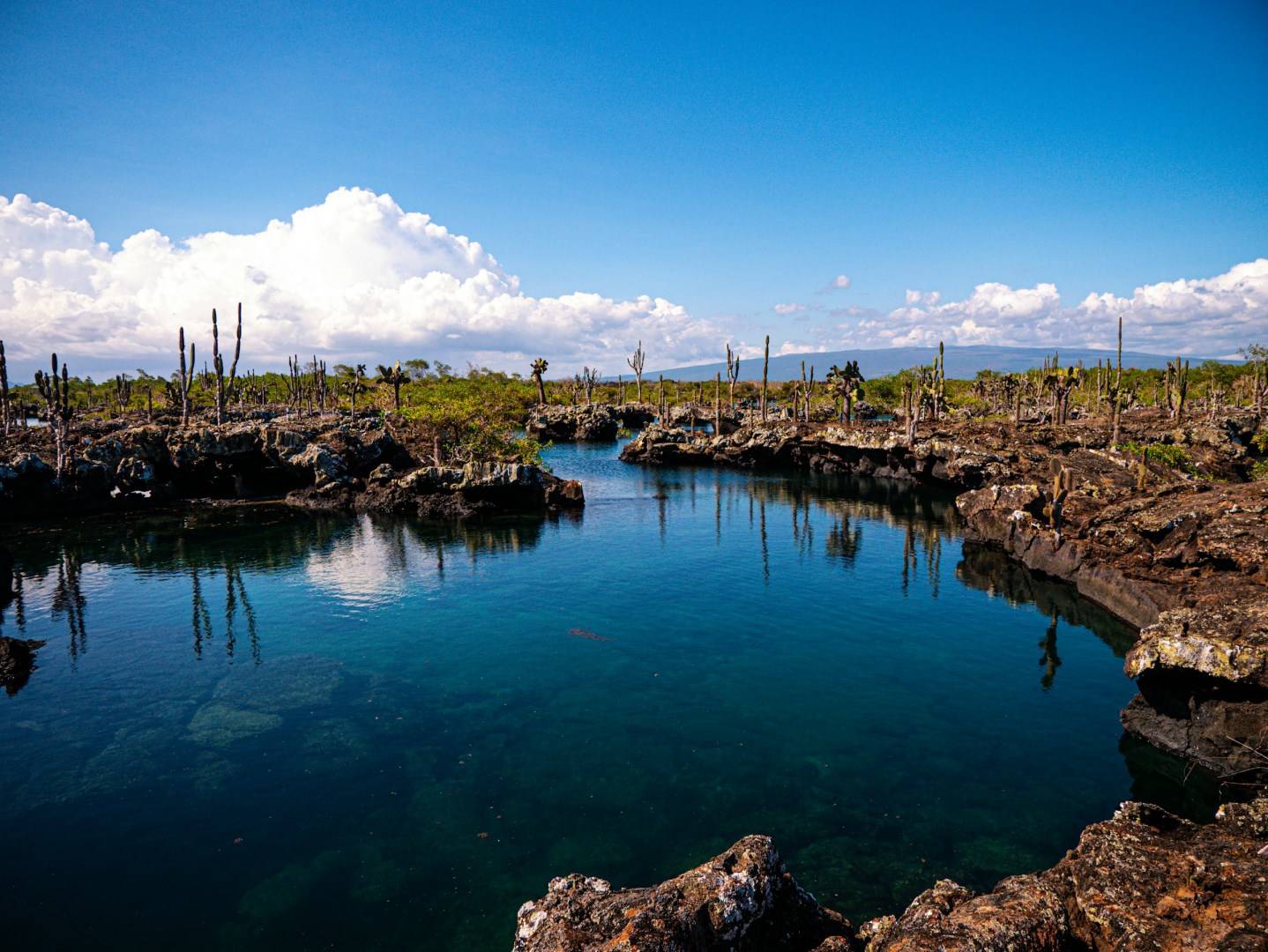
Photo Credit: Photo by Bjarn Bronsveld on Unsplash
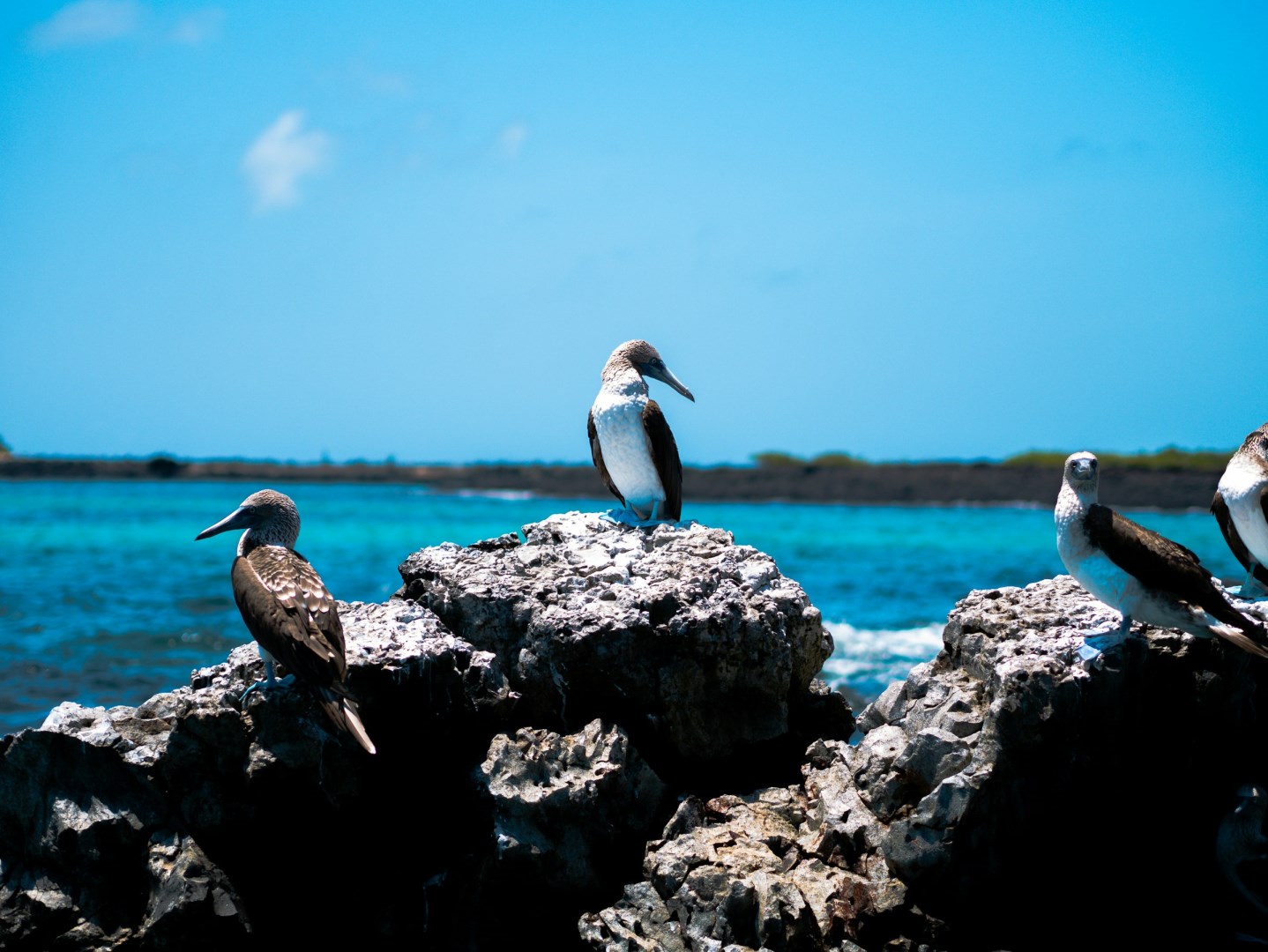
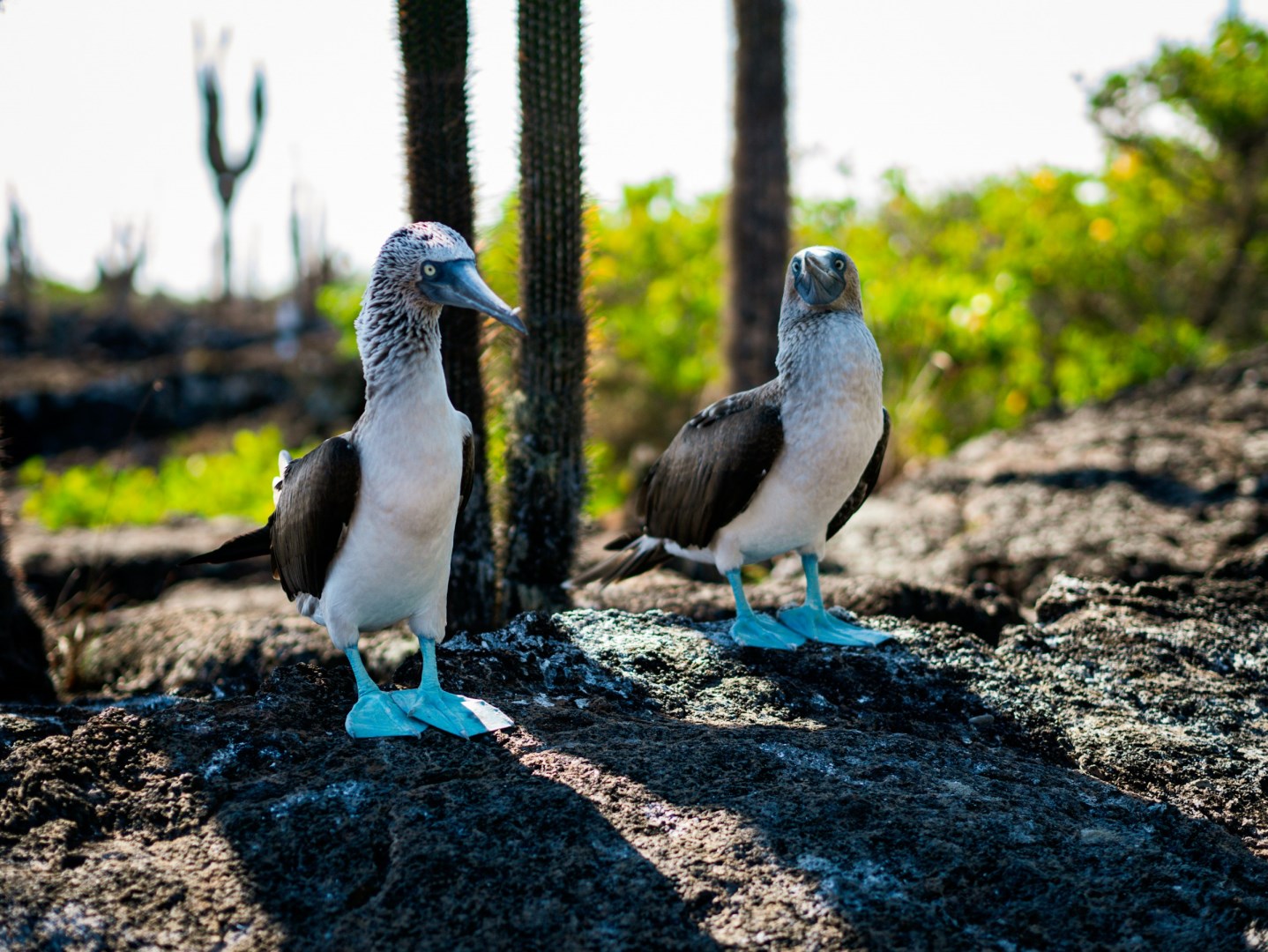
Blue Footed Boobies
Photo Credit: Photo by Bjarn Bronsveld on Unsplash
Blue Footed Boobies
Photo Credit: Photo by Bjarn Bronsveld on Unsplash
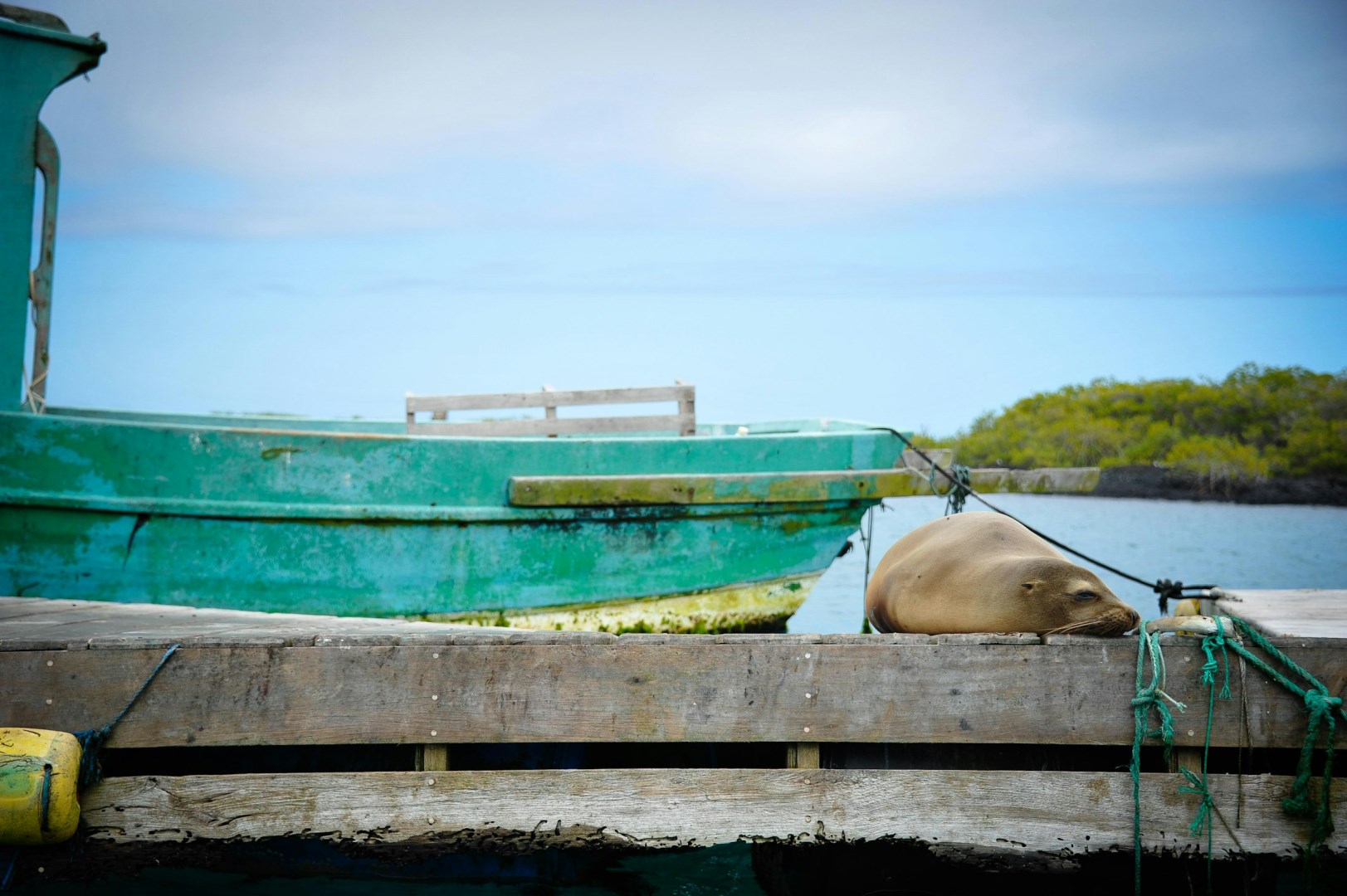
Photo Credit: Photo by Rein Ketelaars on Unsplash
Photo Credit: Photo by Sofia on Unsplash
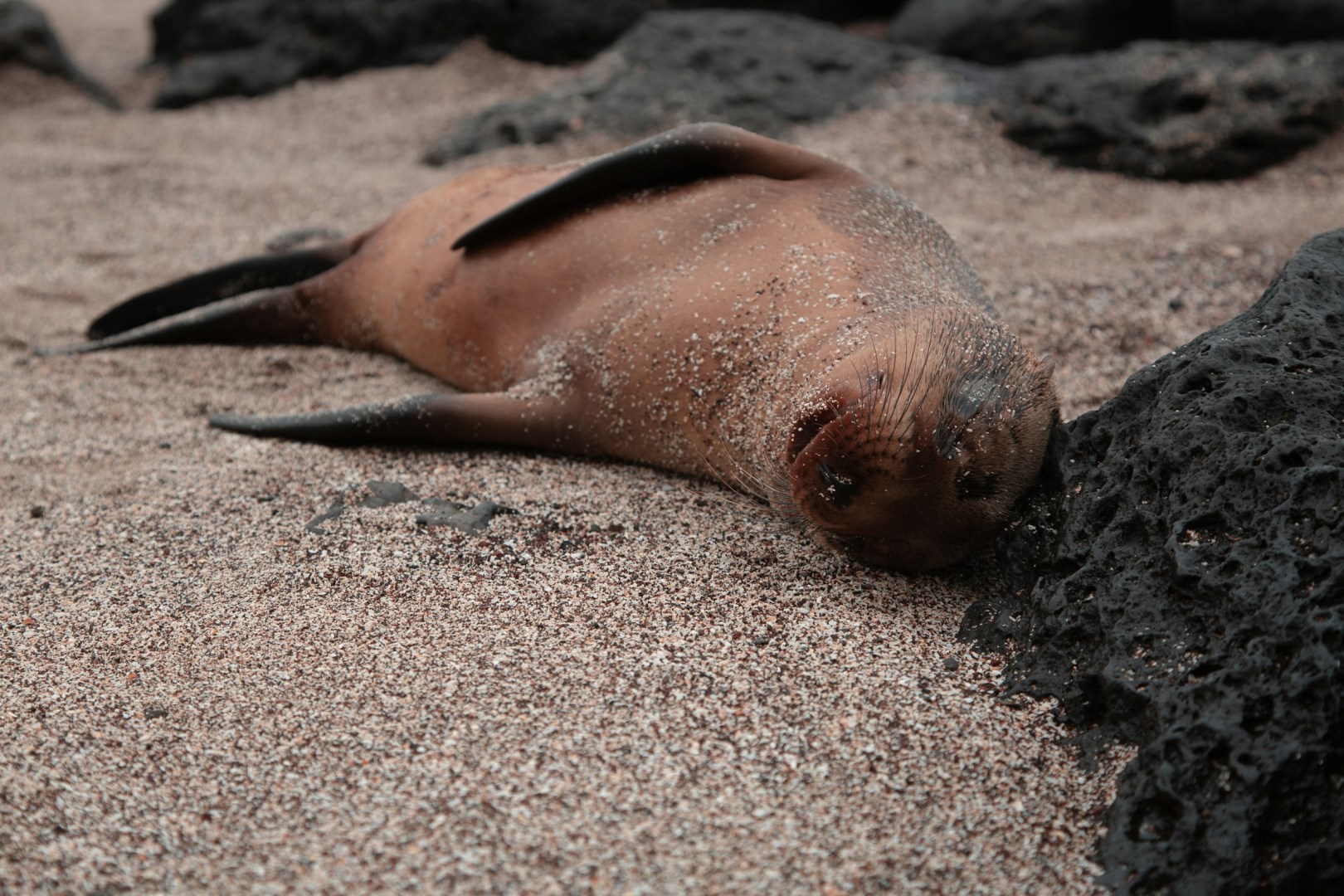
Photo Credit: Photo by Dallas Krentzel Wikimedia
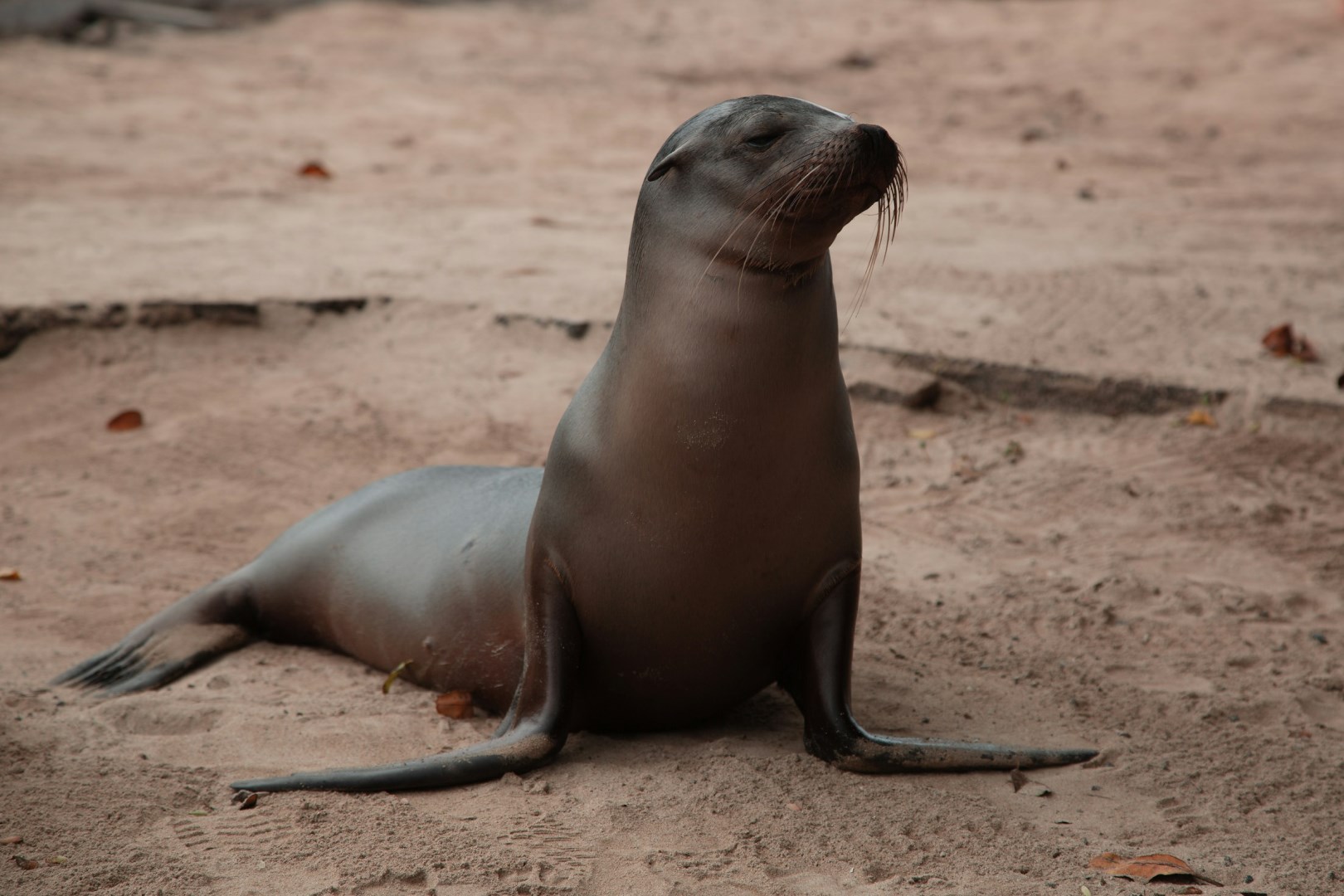
Photo Credit: Photo by Dallas Krentzel from Wikimedia
Isabela Island is the largest of the Galapagos islands, on the western end of the archipelago. Shaped like a seahorse when viewed from above, Isabela is home to more wild tortoises than any other island, as well as a wide variety of other animal, bird and marine life.
On Isabela's west coast lies Tagus Cove, a natural protected harbor where centuries ago whalers safely spent the night and left their ships' signatures painted on the rocks. Near Elizabeth Bay, Moreno Point is a birdwatcher's delight. Further inland, visitors will find six volcanoes, five of which are still active and two that sit directly on the Equator. At the base of Alcedo Volcano is Urbina Bay, a perfect spot for snorkeling and home to the biggest land iguanas in the Galapagos.
To the north, located at the "mouth" of the island, is Punta Vicente Roca. Although it's a marine-only site (meaning it can only be accessed via dinghy or SCUBA diving), the formation nonetheless draws plenty of visitors eager to see its spectacular sea life - penguins, seahorses, sea turtles, sunfish, and more.
Other Popular Destinations in Ecuador
Quito
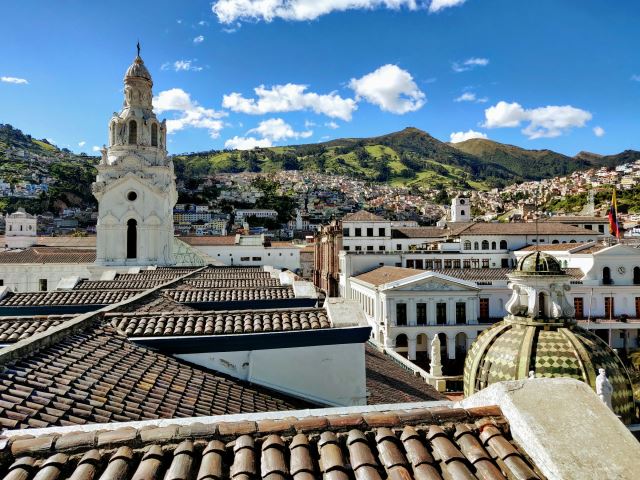
Situated on the equator and nestled beneath an imposing volcano, the rugged, sprawling, and vibrant city of Quito offers adventure galore. A South American gem and Ecuador’s capital, Quito combines the best of its Incan and Spanish influences in fascinating cultural attractions, and the city’s surrounding natural beauty will surely astound you.
Galapagos Islands
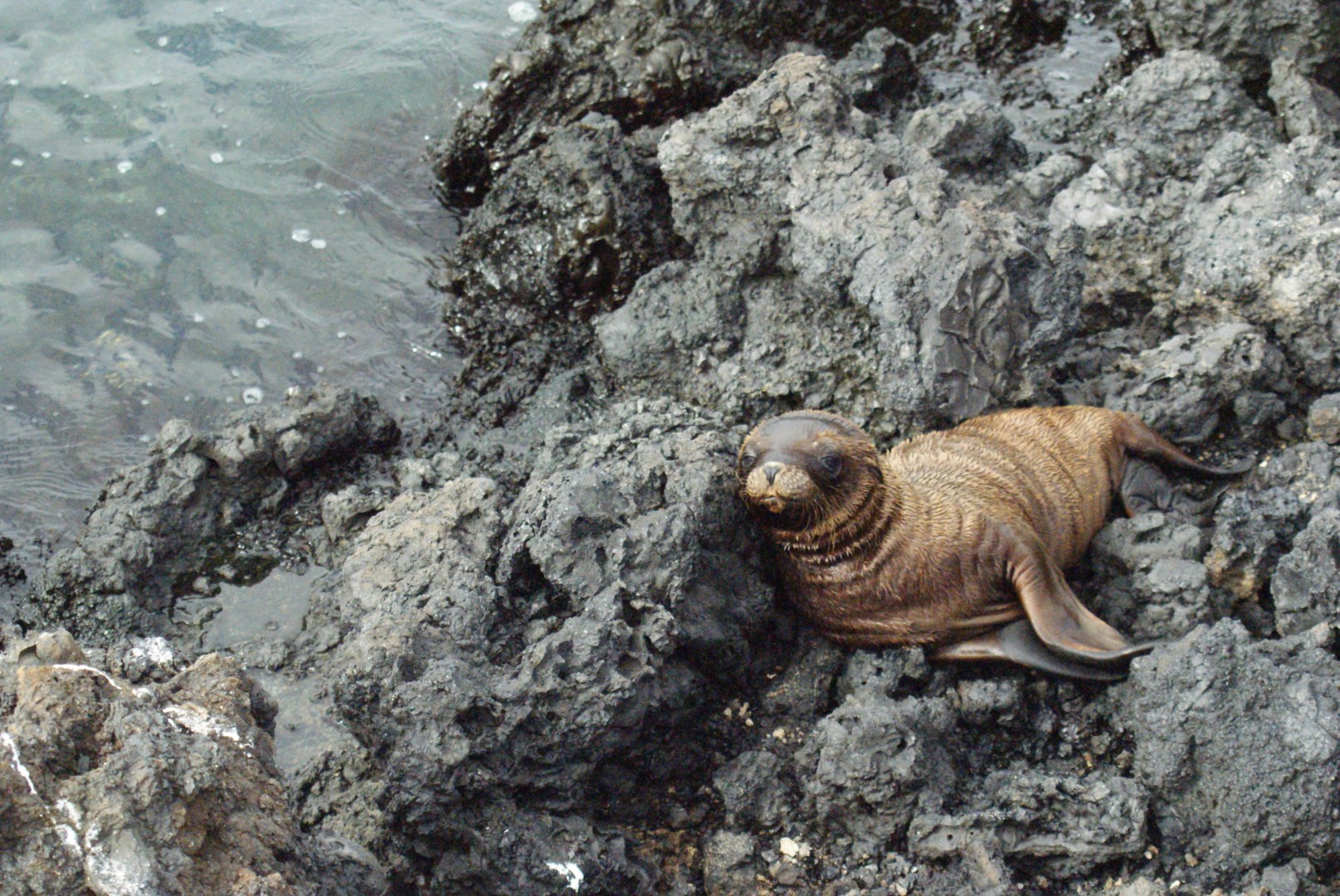
Off the coast of Ecuador, the iconic and biodiverse Galápagos Islands, made famous by Charles Darwin’s nineteenth-century research expeditions on HMS Beagle, beckon you. This glittering archipelago, surrounded by vivid turquoise waves, abounds with stunning beaches and spectacular wildlife, perfect for the adventurous traveler.