Knoxville
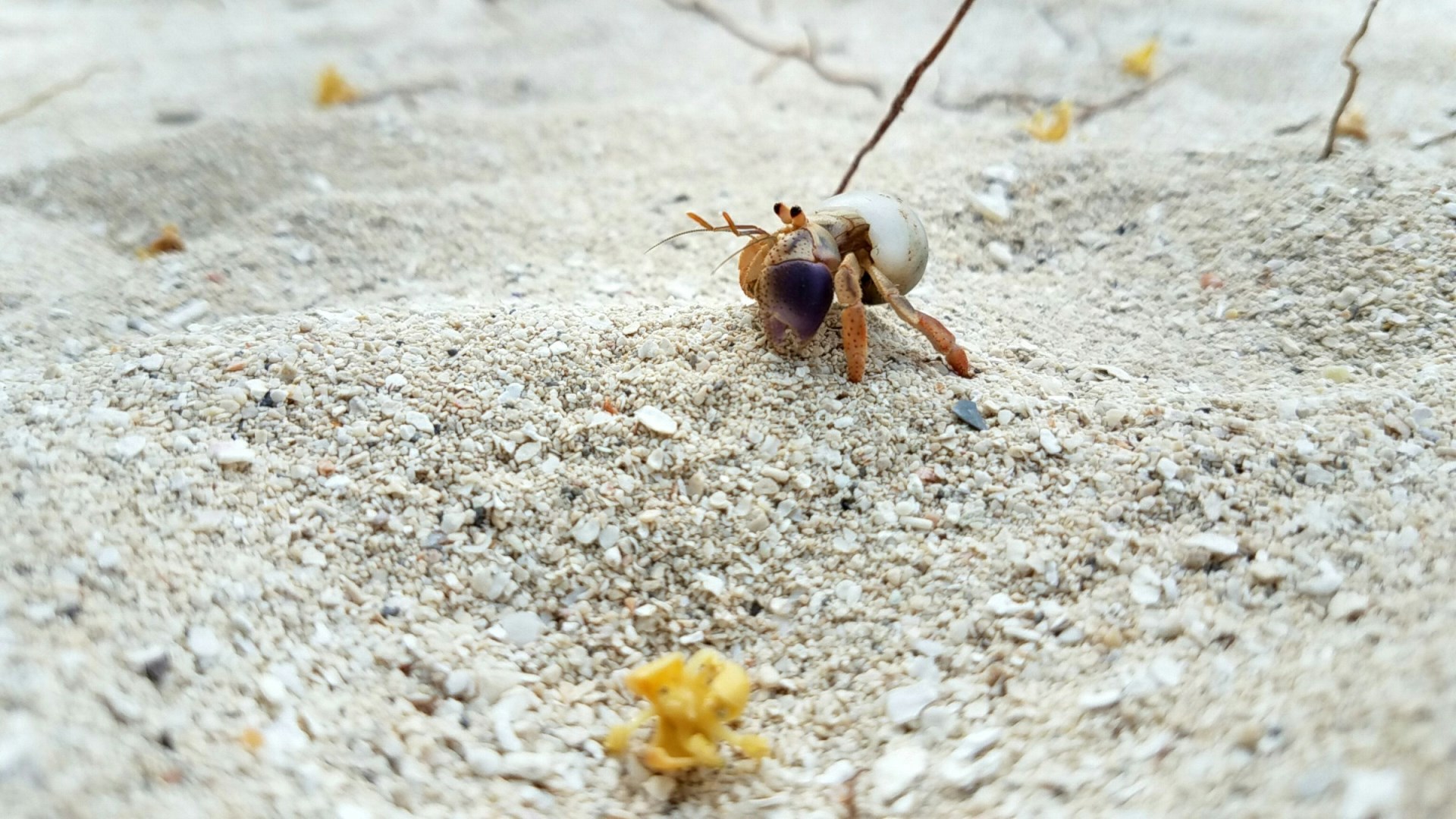
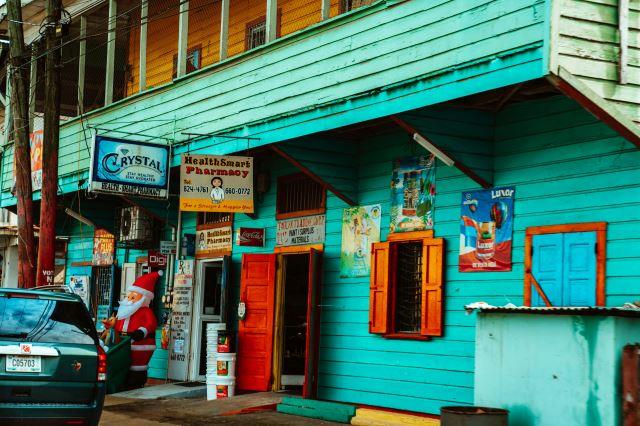
Knoxville sits in the Great Valley of East Tennessee at the headwaters of the Tennessee River, with the Appalachian Mountains rising to the east and southeast. The city combines a historic downtown with riverfront parks, leafy neighborhoods, and easy access to outdoor areas.
Puerto Viejo de Talamanca
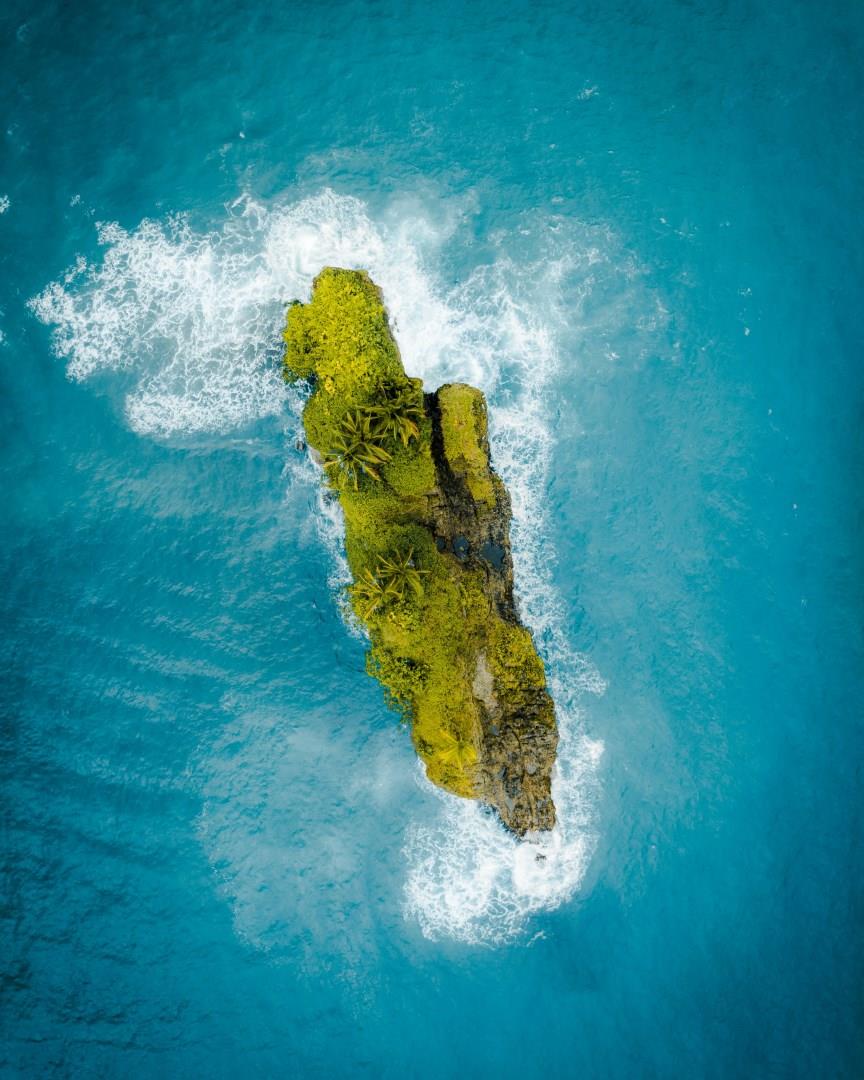
Puerto Viejo de Talamanca, on Costa Rica’s southern Caribbean coast, is a lively seaside town where Afro-Caribbean culture, indigenous traditions, and tropical landscapes come together. Once a quiet fishing village, it is now known for its reggae rhythms, colorful wooden houses, and a laid-back atmosphere.

Tarragona
The Port of Tarragona is located in one of the most active economic areas of the Spanish Mediterranean, where the main petrochemical complex of the Spanish State is located.
Kutaisi
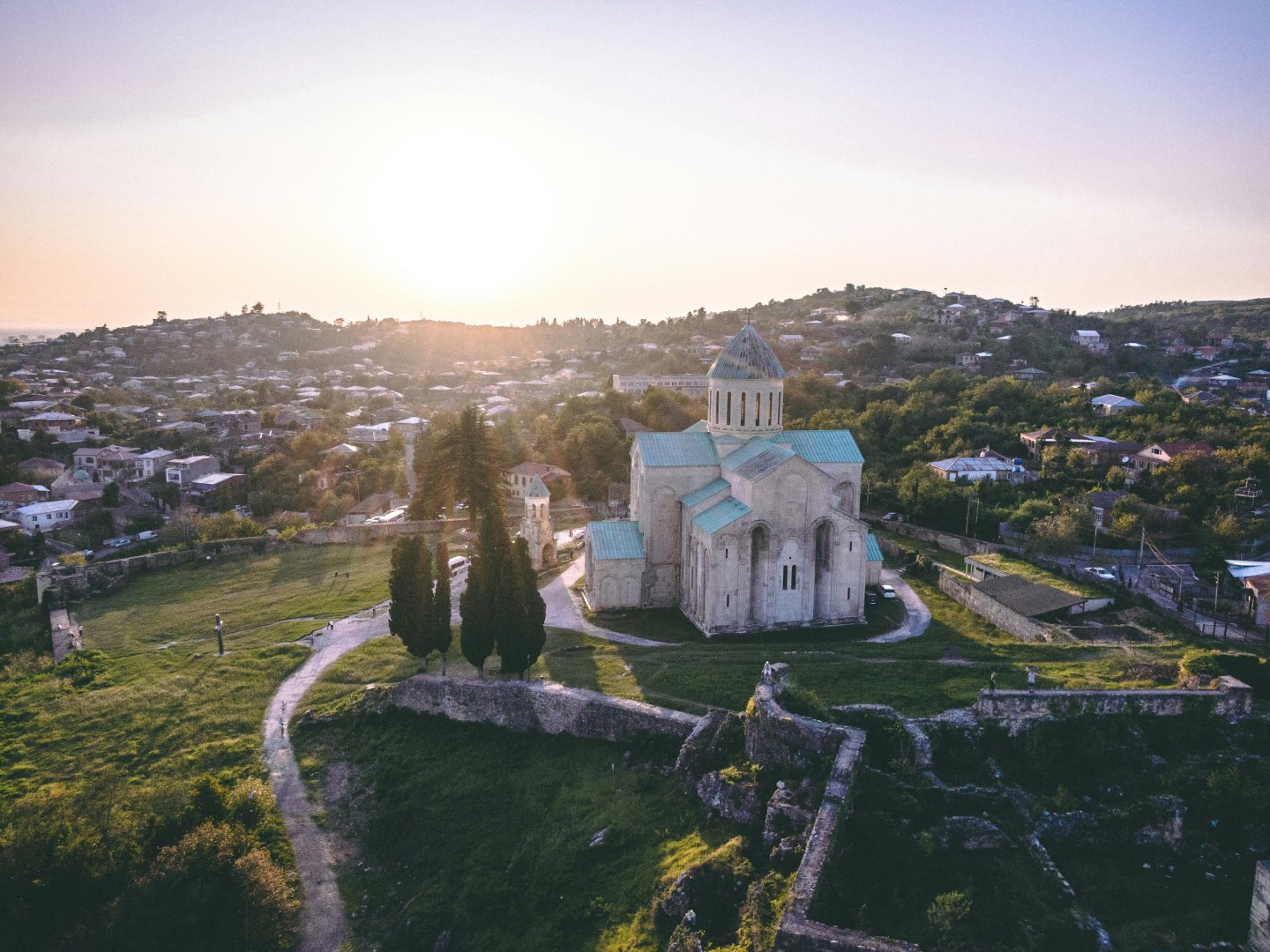
Georgia's second largest city, it is located between the Caspian and Black seas. Dating back to at least the sixth century, it has outstanding museums.
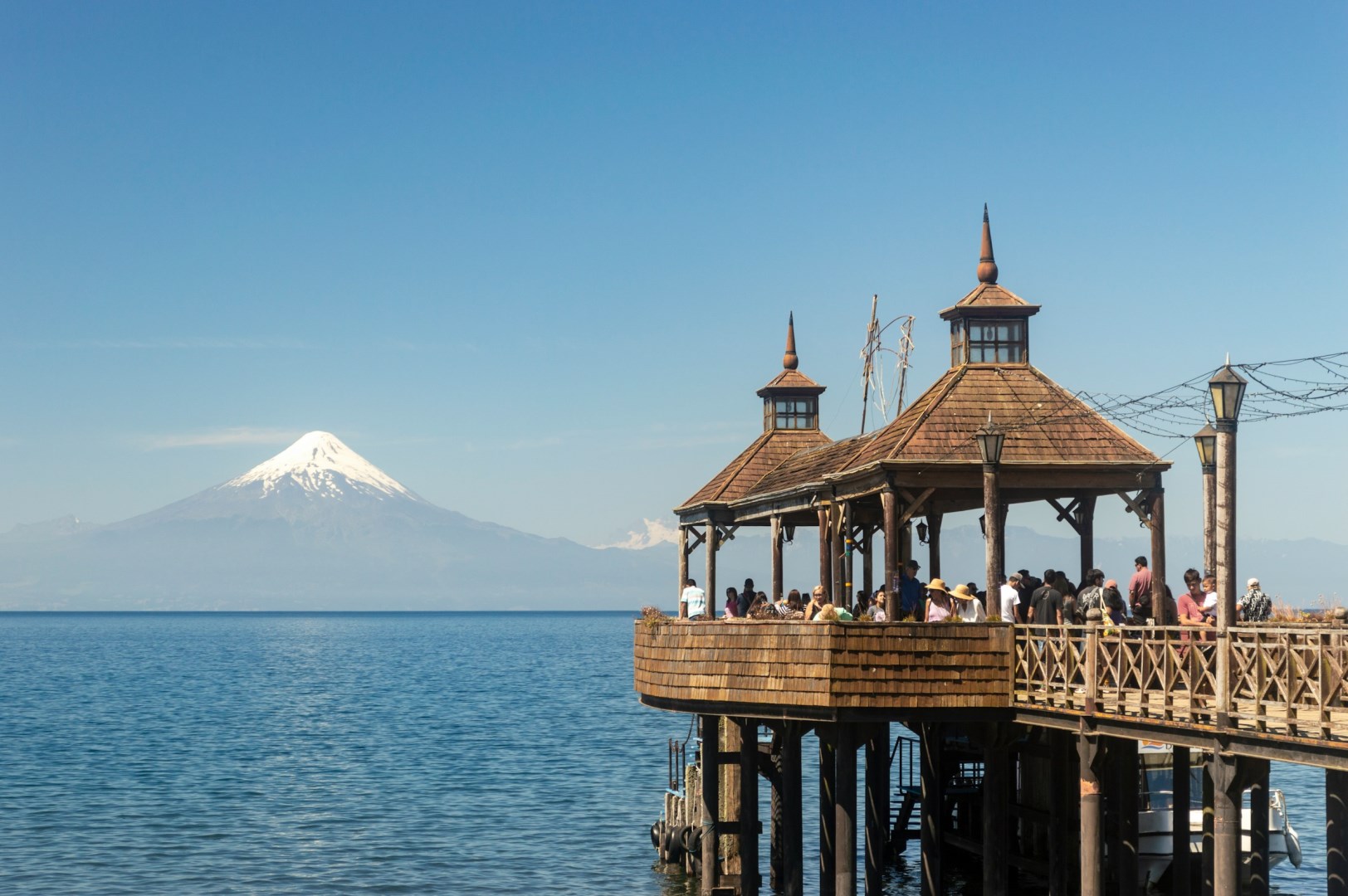
Frutillar
Frutillar is a small city on the western shore of Lake Llanquihue in southern Chile, with views across the water toward the snow-covered Osorno, Puntiagudo, Tronador, and Calbuco volcanoes. Its waterfront is defined by a long promenade, gardens, and dark volcanic-stone beaches, while wooden houses and carefully maintained public spaces give the town a distinctive appearance.