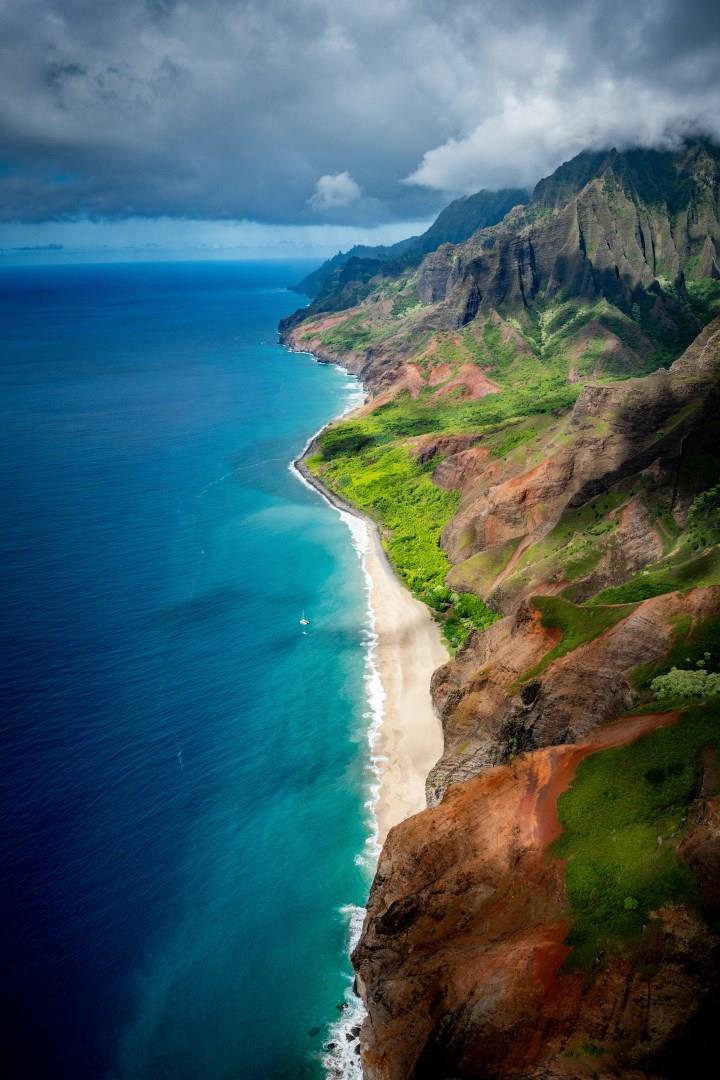
Napali Coast State Wilderness Park, located on the northwestern edge of Kauai, is one of Hawaii’s most visually dramatic landscapes. The coastline stretches for 17 miles and is defined by towering cliffs, known locally as "pali," that rise over 4,000 feet above the Pacific Ocean. These rugged ridges are carved by centuries of rainfall and volcanic activity, creating a landscape only accessible by foot, boat, or air.
Located off the coast of West Africa, Cape Verde (Cabo Verde) is an archipelago that is sure to enchant visitors with its unique blend of African and Portuguese influences. This group of ten volcanic islands boasts dramatic landscapes, from the barren, rugged mountains of Fogo Island to the lush, green hills of Santo Antão. With its stunning landscapes, lively culture, and warm hospitality, Cape Verde offers a wide range of activities for all sorts of travelers.
A true gem on the Caribbean coast, the port city of Cartagena (Cartagena de Indias) welcomes visitors with its charming old town, colonial buildings, and exceptional beaches. A popular cruise ship stop, many seafarers find themselves honorary Cartagenans, as they stroll shady, cobblestone lanes and gaze upon impressive churches.
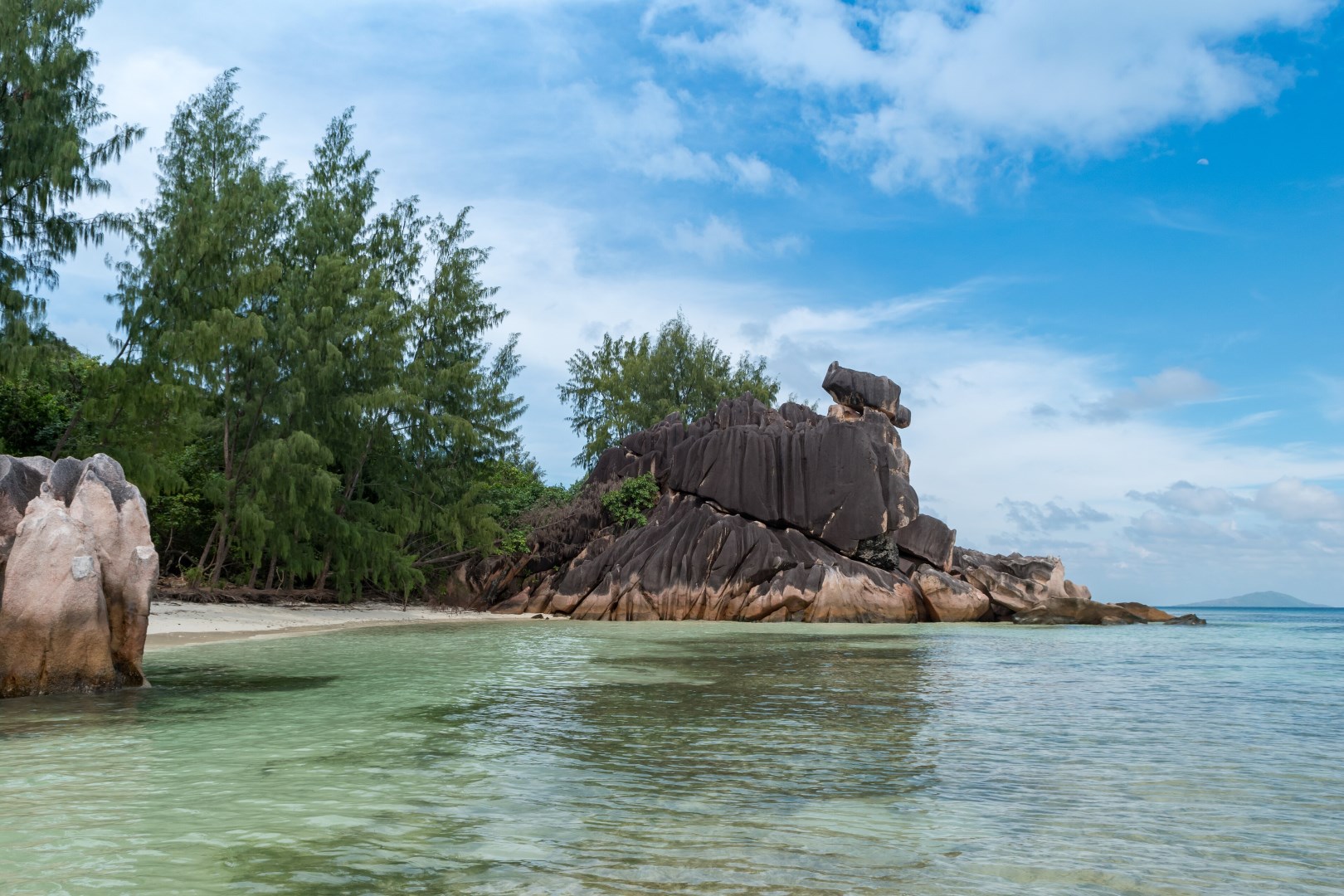
Curieuse Island, nestled in the Seychelles’ Indian Ocean, offers a captivating blend of natural beauty and rich history. Located just off the coast of Praslin Island, this 2.9 square kilometer island is renowned for its protected marine and terrestrial ecosystems.
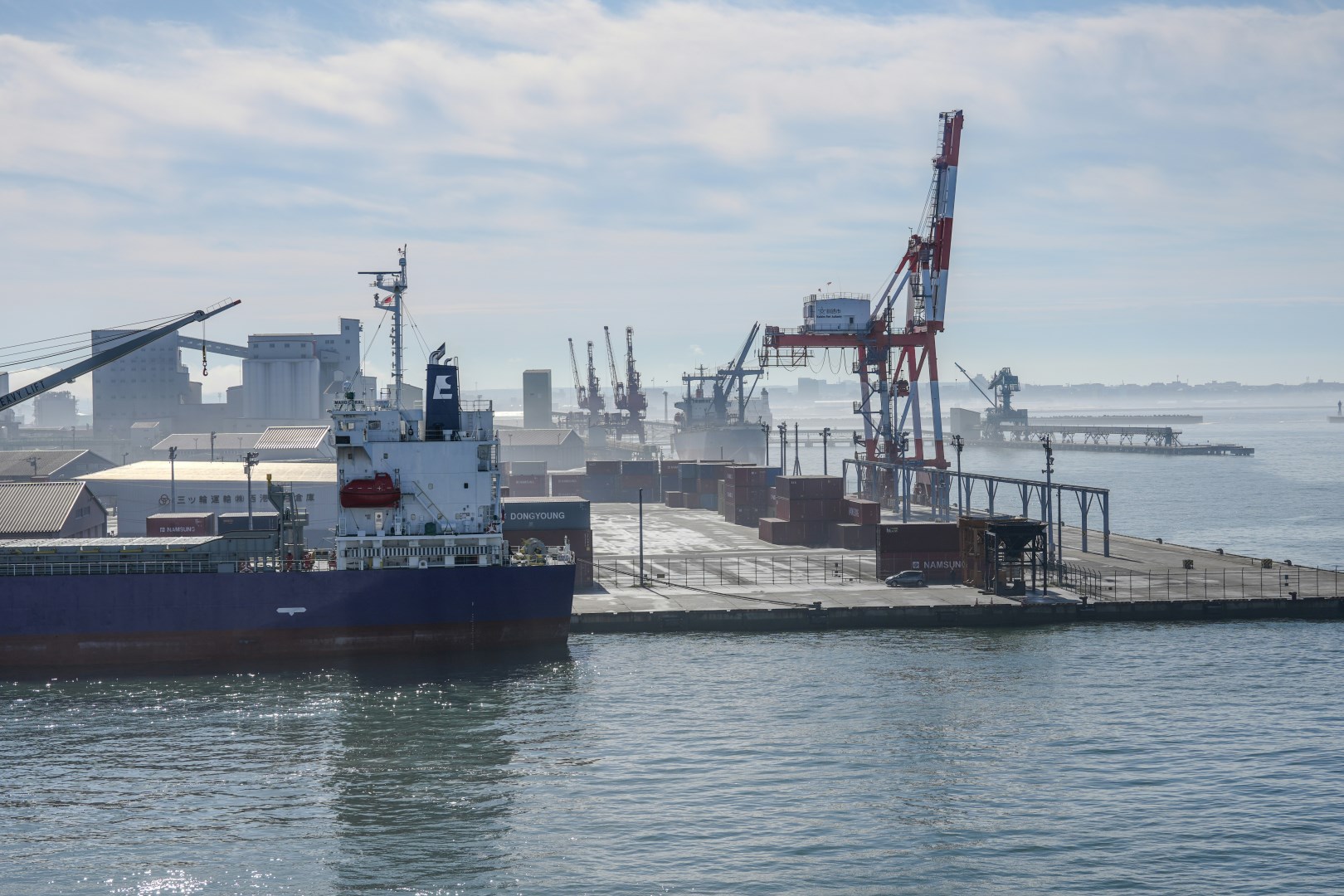
Kushiro is a port city on the eastern coast of Hokkaido, Japan’s northernmost main island. The city faces the Pacific Ocean and is known for its fishing industry, wetlands, and cool maritime climate. Fog drifting in from the sea is common during warmer months and has become one of Kushiro’s defining natural features.
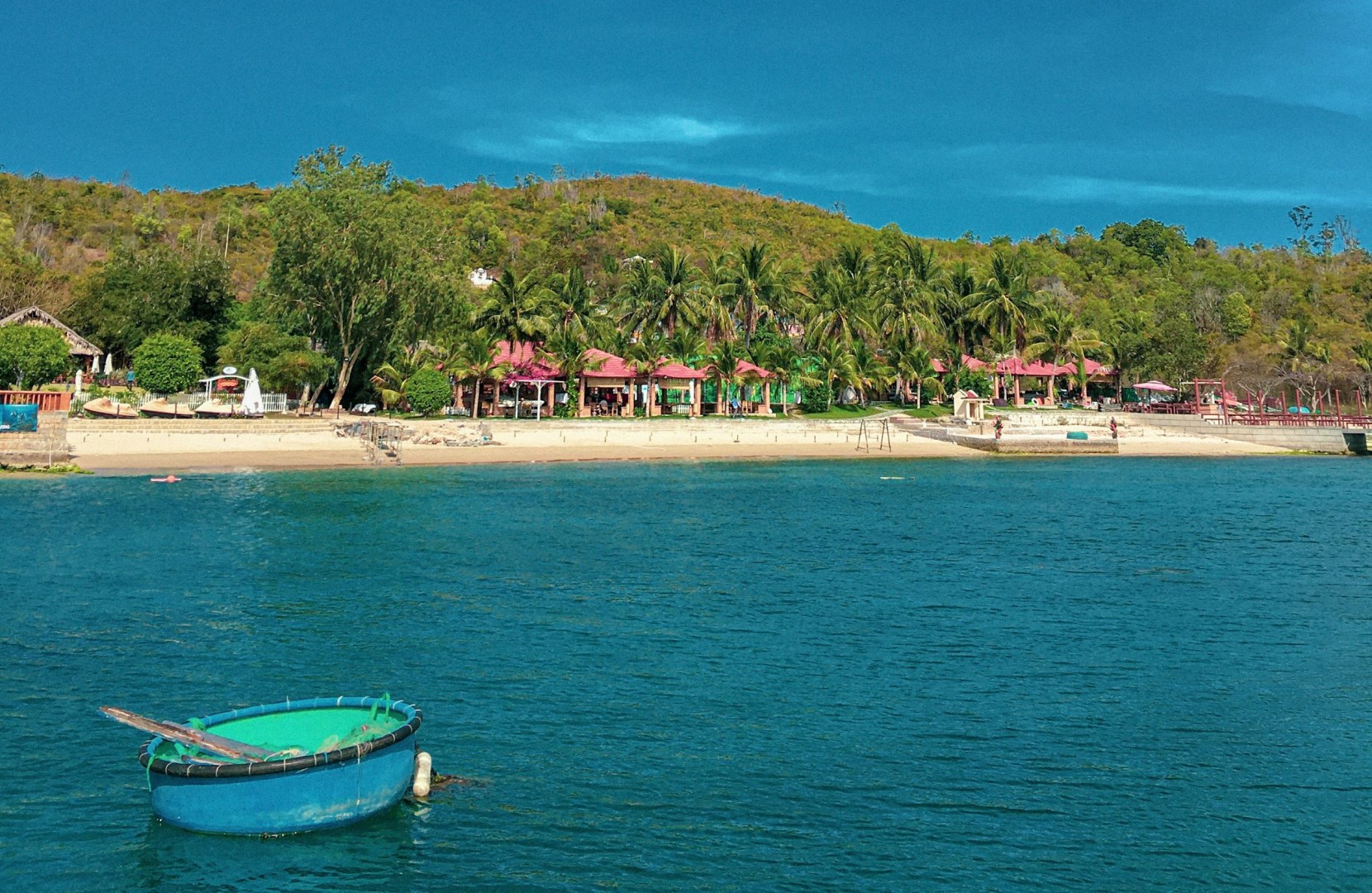
Nha Trang, located on Vietnam's southern coastline, is a vibrant city renowned for its stunning beaches and dynamic culture. This coastal paradise boasts a 6-kilometer stretch of golden sand along Nha Trang Beach, where turquoise waters meet palm-fringed shores, perfect for sunbathing and swimming. The city's warm tropical climate makes it an inviting destination year-round, with average temperatures hovering around 79°F ( 26°C).
Rich in cultural heritage, Nha Trang is home to the Po Nagar Cham Towers, an impressive complex of ancient Hindu temples dating back to the 7th century. Perched on a hill, these towers offer panoramic views and a glimpse into the region's historical significance. Another must-see is the Long Son Pagoda, renowned for its enormous white Buddha statue and serene surroundings.
For a unique aquatic experience, the nearby Hon Mun Island is a top destination for snorkeling and diving. The island’s crystal-clear waters are teeming with vibrant marine life, making it a favorite among underwater enthusiasts (Hon Mun Island). Additionally, the Vinpearl Land amusement park on an island just off the coast offers an array of attractions, including water slides, a large aquarium, and entertainment shows.
Fun Fact: Nha Trang is known for its mud baths, a unique therapeutic experience where visitors can relax in mineral-rich mud believed to have skin-rejuvenating properties. The mud baths have become a signature attraction, blending relaxation with health benefits.
Visiting Nha Trang between January and August is ideal for enjoying the warm weather and participating in various beach activities, while the quieter months of September to December provide a more tranquil experience. The city's combination of natural beauty, cultural sites, and leisure activities ensures an unforgettable trip.
Other Popular Destinations in Vietnam
Hanoi
Replete with intricate temples, immersive museums, and gastronomic delicacies, Hanoi will surely enchant you! The capital of Vietnam, bustling Hanoi is the perfect center for your next adventure in southeastern Asia.
Ho Chi Minh City
Ho Chi Minh City, Vietnam’s largest metropolis, is a dynamic hub where history, culture, and commerce intersect. Formerly known as Saigon, the city reflects layers of its past, from French colonial architecture to markets and historic districts that capture the energy of daily life.