Dominica
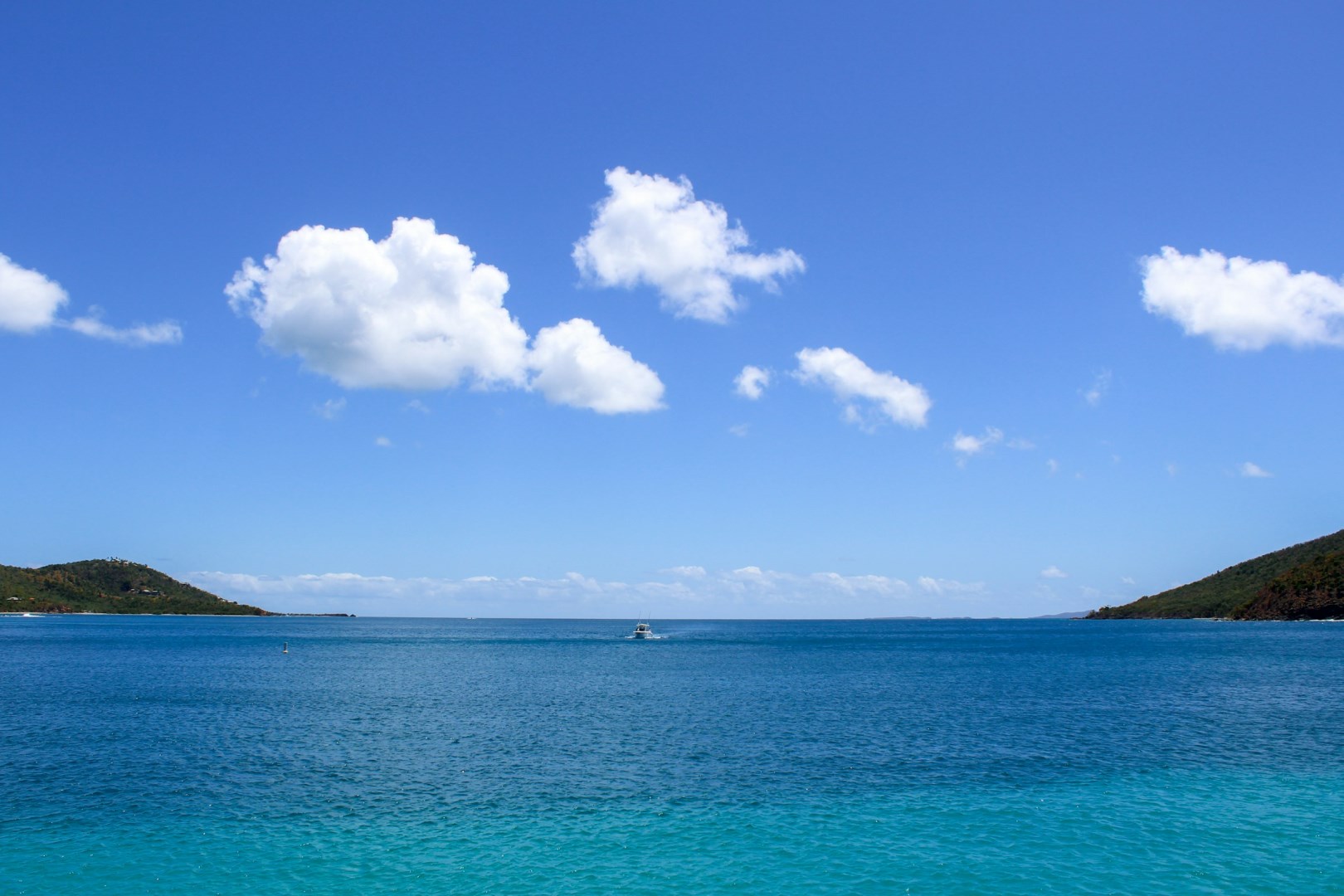
Dominica, known as the “Nature Island of the Caribbean,” is a haven for eco-tourists and adventure seekers. Nestled between the French islands of Guadeloupe and Martinique, this lush island boasts a remarkable landscape of volcanic mountains, dense rainforests, and stunning waterfalls. Dominica’s most iconic natural wonder is the Boiling Lake, the second-largest hot spring in the world.
Chiloé Island
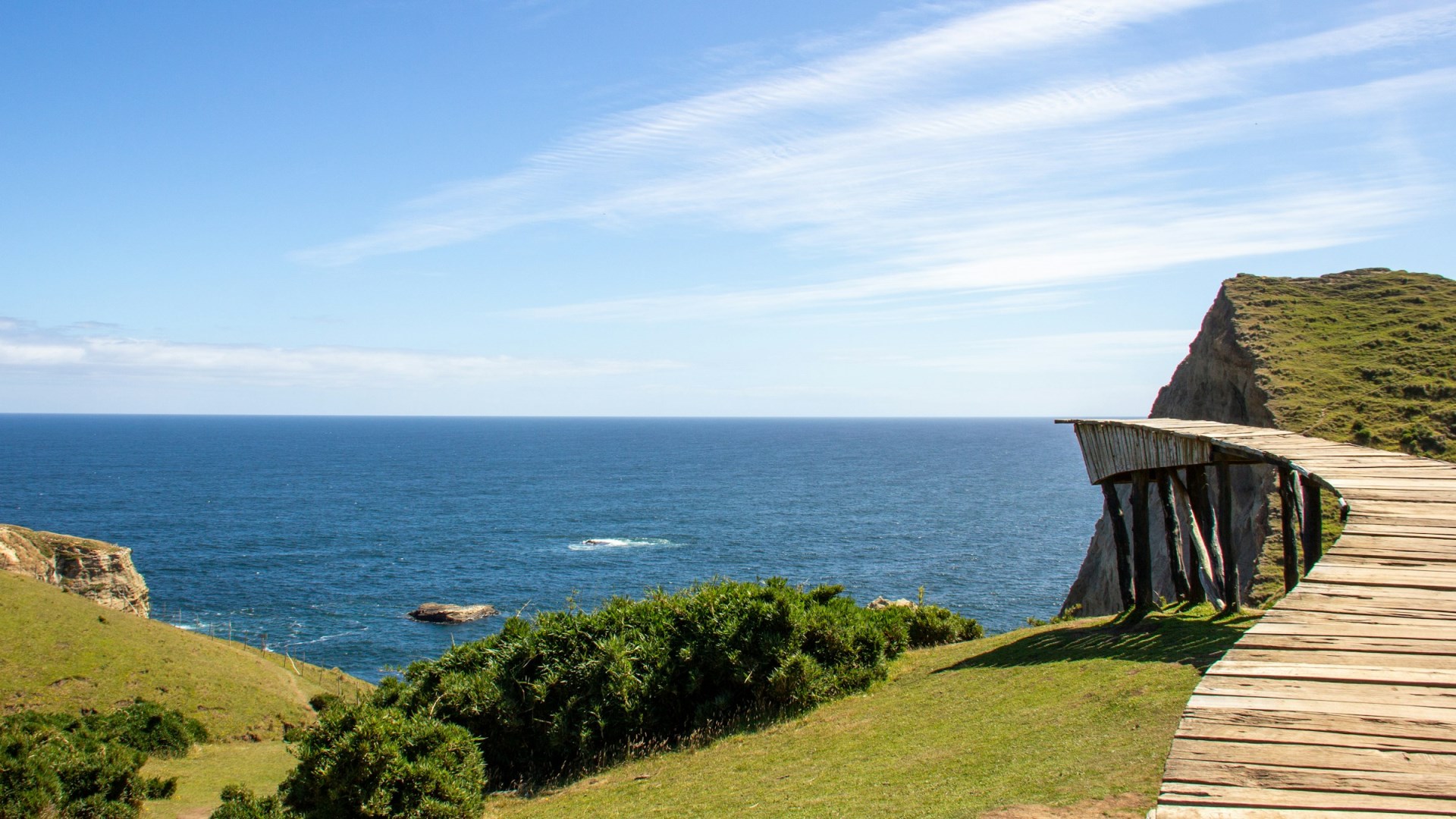
Chiloé Island is the largest island in the Chiloé Archipelago in southern Chile, separated from the mainland by the Chacao Channel and surrounded by the Gulf of Corcovado and the Pacific Ocean. Its landscape is shaped by wooded hills, farmland, wetlands, beaches, and a network of channels and smaller islands. Rural communities are scattered across the island, while towns such as Castro, Ancud, and Chonchi provide commercial and cultural centers.

Sidi Bou Said
Perched on a clifftop overlooking the Mediterranean Sea, Sidi Bou Said is a postcard-perfect village in Tunisia that enchants visitors with its striking white and blue architecture. Known for its iconic Andalusian-style buildings, Sidi Bou Said is a haven for artists, poets, and those seeking tranquility. Strolling through its narrow cobblestone streets, you’ll be greeted by the scent of jasmine and the vibrant colors of bougainvillea cascading from balconies.

Valencia
Valencia, located on the Balearic coastline of eastern Spain, is a Mediterranean haven replete with stunning art, striking architecture, immersive museums, and inviting beaches. The heart of Valencia is the perfect place to explore the best that the city has to offer.
Les Andelys
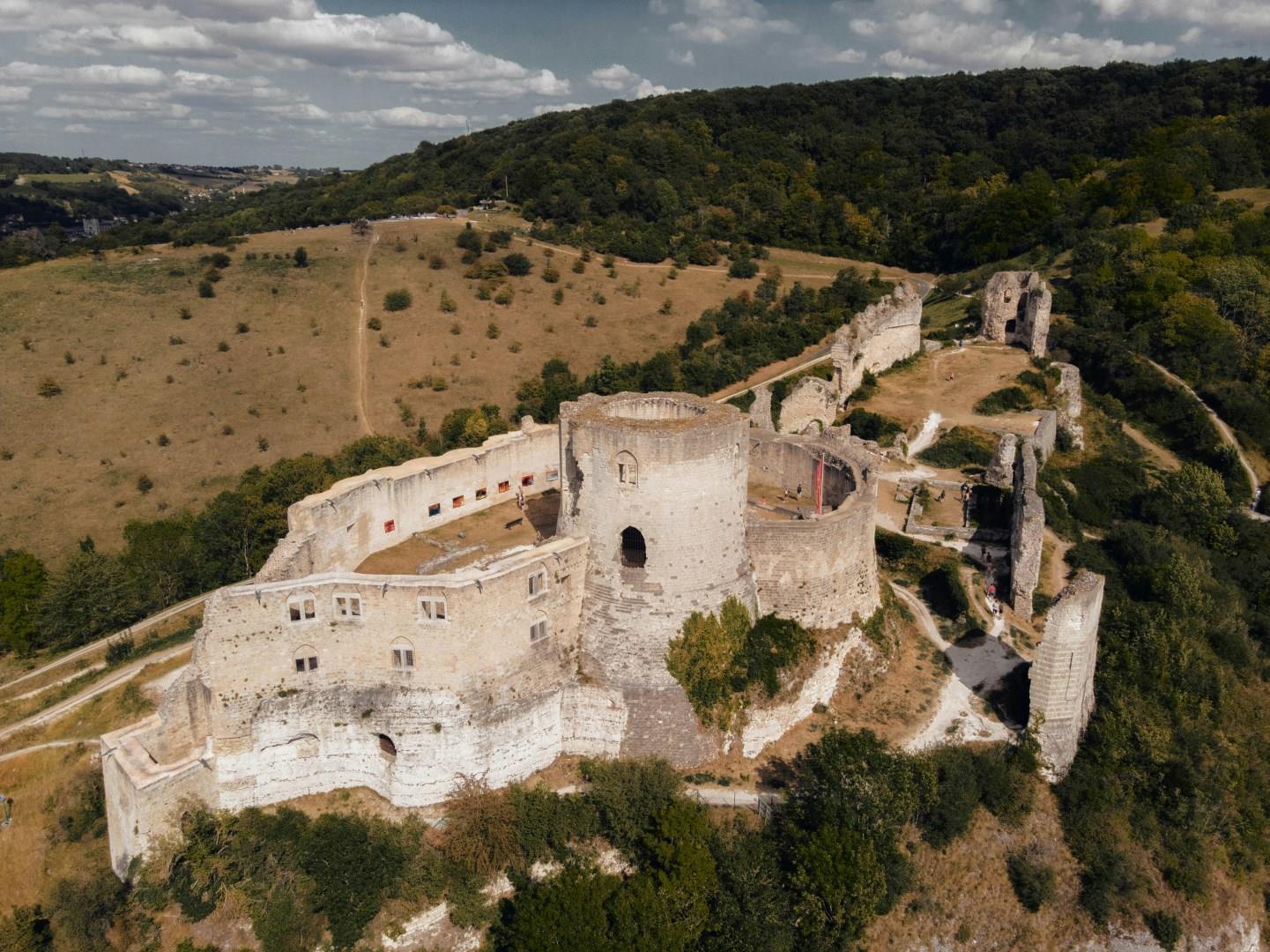
Les Andelys, a picturesque town on the banks of the Seine in Normandy, France, is best known for its dramatic setting beneath the ruins of Château Gaillard. This medieval fortress, built in the 12th century by Richard the Lionheart, stands high on a chalk cliff overlooking the river, a reminder of the region’s turbulent past during the wars between England and France.