
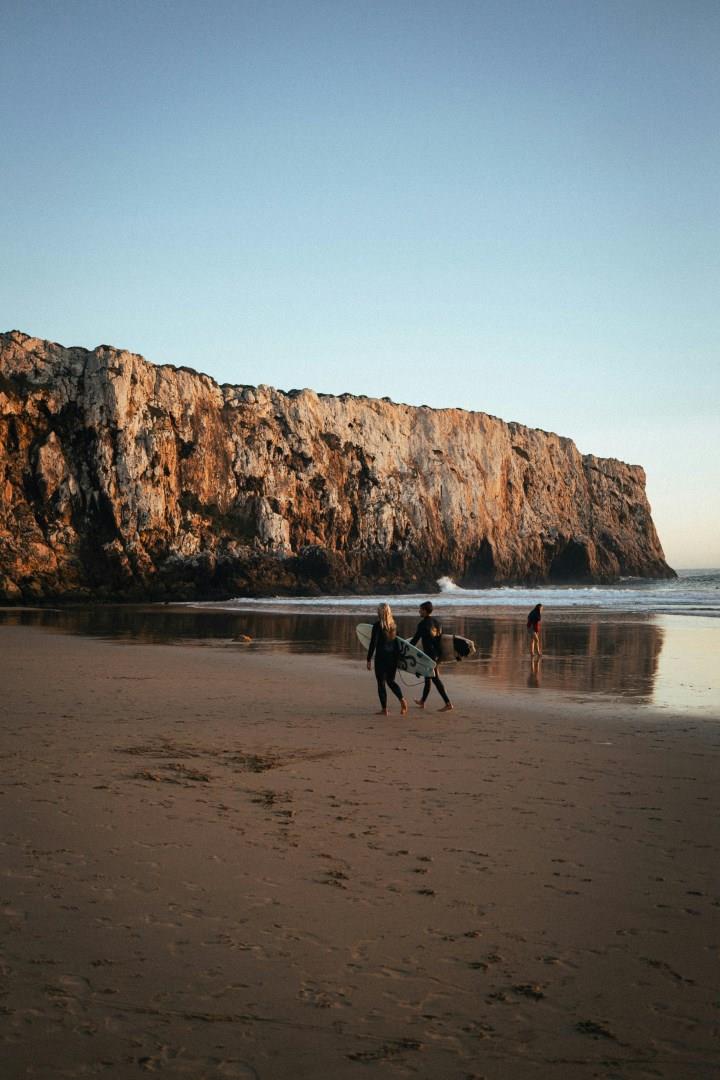
Sagres
Sagres sits at the southwestern edge of continental Europe in Portugal’s Algarve region, where the Atlantic’s wide horizon meets rugged cliffs and open skies. For centuries this point was linked to maritime adventure and visitors can still feel that sense of discovery in the air. Here, people like Prince Henry the Navigator gathered cartographers, shipbuilders and astronomers in the 1400s to push beyond maps of the known world and shape the early Age of Discovery from Sagres’ dramatic headlands.

Durban
Durban is a big subtropical city in the north-eastern province of KwaZulu/Natal. It has been a major port since the 1850s and is home to the largest concentration of Indian-descended people in the country - Mohandas Gandhi arrived here as an indentured labourer in 1893. Today the city is better known as a holiday-makers' fun parlour with a happening nightlife.
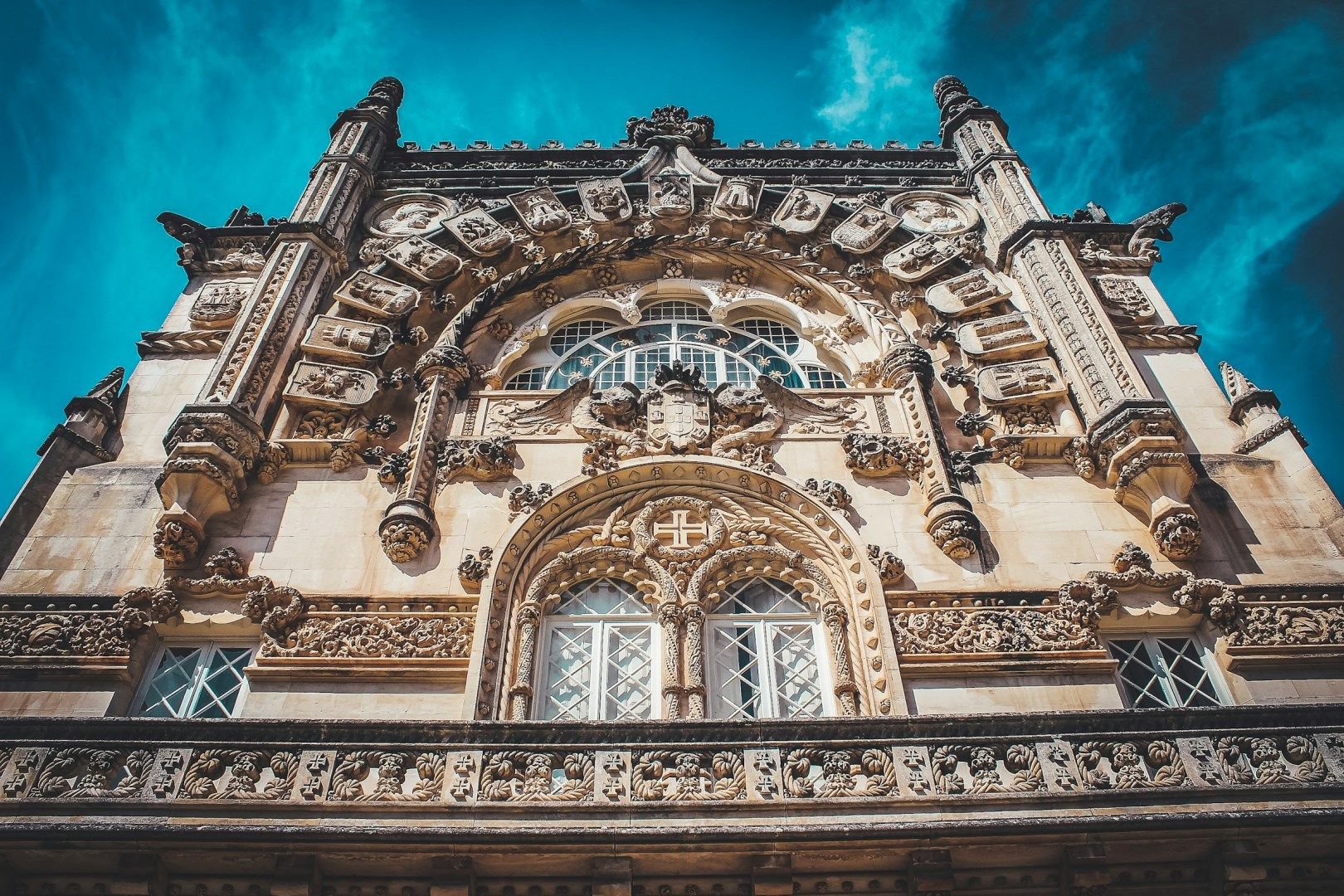
Portugal
Portugal offers a layered experience shaped by maritime history, deep-rooted traditions, and a coastline that stretches for nearly 1,800 kilometers. In Lisbon, the streets of Alfama wind uphill toward São Jorge Castle, where views of red-tiled rooftops and the Tagus River reveal how the city was rebuilt after the 1755 earthquake. Trams still clatter through narrow streets, and fado music, often performed in candlelit taverns, tells stories of longing and the sea.
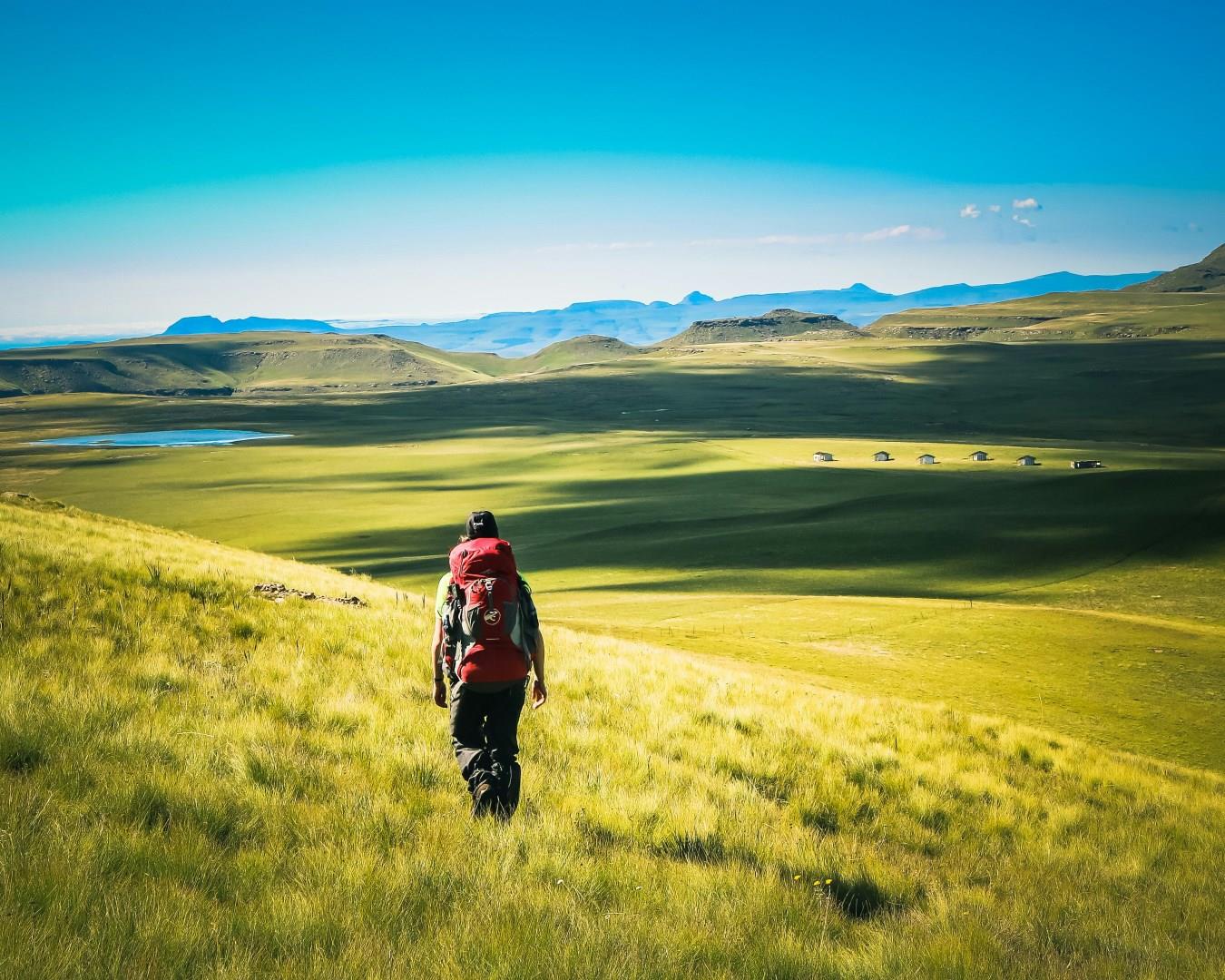
Lesotho
Lesotho, known as the “Kingdom in the Sky,” is a landlocked nation entirely surrounded by South Africa, famed for its dramatic mountain landscapes and rich cultural traditions.
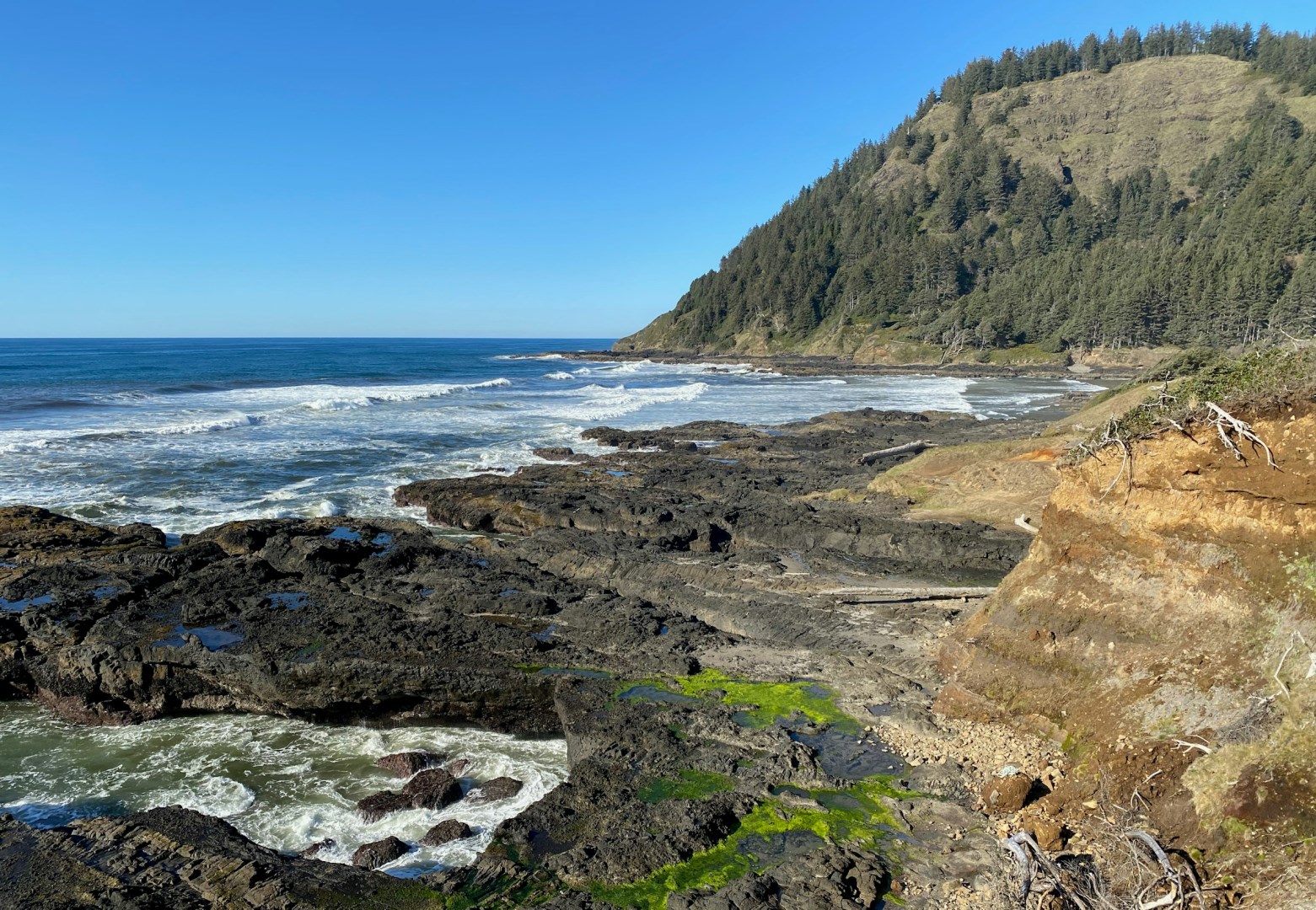
Cape Perpetua
Cape Perpetua is a rugged headland on the central Oregon Coast, rising above the Pacific Ocean south of Yachats. The area is part of the Siuslaw National Forest and combines dense coastal forest with steep cliffs, rocky beaches, tide pools, and open ocean views.
