

Alberta
Alberta, one of Canada’s western provinces, is renowned for its dramatic natural landscapes and vibrant cultural heritage. It’s a place where sweeping prairies give way to towering peaks, and where Indigenous traditions and pioneer history are deeply interwoven.

Pécs
Pécs, Hungary, is a city that seamlessly blends history, culture, and a vibrant modern atmosphere. Nestled at the foot of the Mecsek Mountains in southern Hungary, Pécs boasts a rich heritage that dates back over 2,000 years. Visitors are often captivated by the city’s unique blend of Roman, Ottoman, and Hungarian influences.

Dominica
Dominica, known as the “Nature Island of the Caribbean,” is a haven for eco-tourists and adventure seekers. Nestled between the French islands of Guadeloupe and Martinique, this lush island boasts a remarkable landscape of volcanic mountains, dense rainforests, and stunning waterfalls. Dominica’s most iconic natural wonder is the Boiling Lake, the second-largest hot spring in the world.

Montreux
Spectacularly picturesque, Montreux is situated on the shore of Lake Geneva and one of Switzerland's most popular resort destinations. Montreux is best known for stunning lakeside views, upscale hotels, an annual jazz festival, and the magnificent Château de Chillon, the medieval castle which inspired the writings of many Romantic era poets.
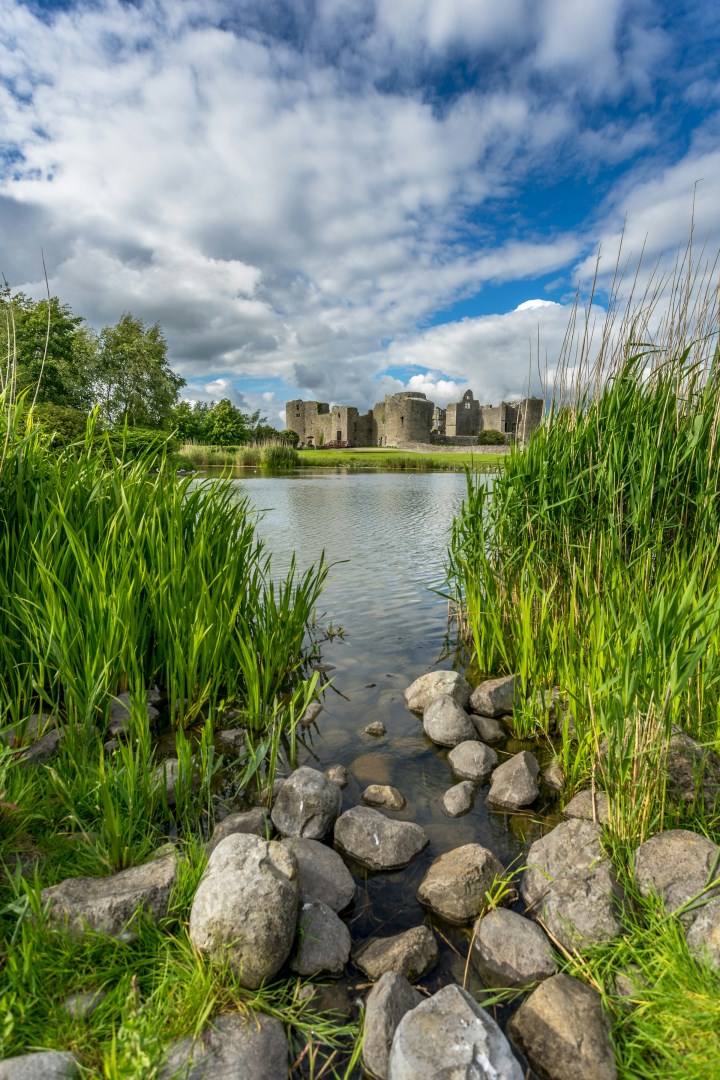
Roscommon
Roscommon is a county town in Ireland’s Hidden Heartlands, surrounded by the rural landscapes of central Ireland. The town is known for its collection of historic buildings and its position within a wider countryside of lakes, rivers, woodland, and farmland. Roscommon Castle, a substantial medieval fortress, stands beside Loughnaneane Park, while Roscommon Abbey and the former gaol add further layers to the town’s architectural heritage.
