
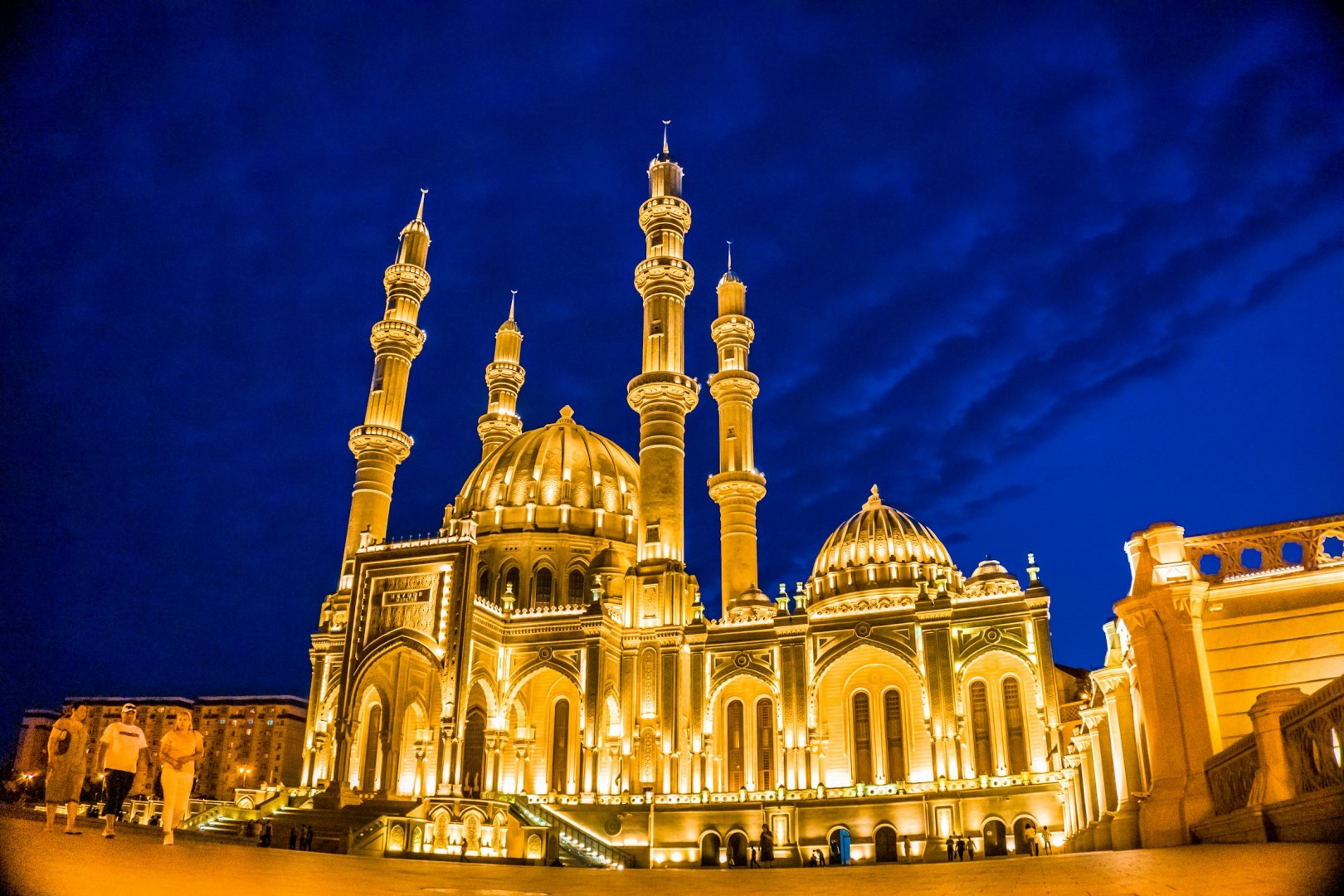
Baku
Baku, the capital of Azerbaijan, rises on the shores of the Caspian Sea as a city of striking contrasts. Its futuristic skyline, defined by the Flame Towers, glows each evening in waves of light, while the UNESCO-listed Old City preserves centuries of history within its fortified walls.
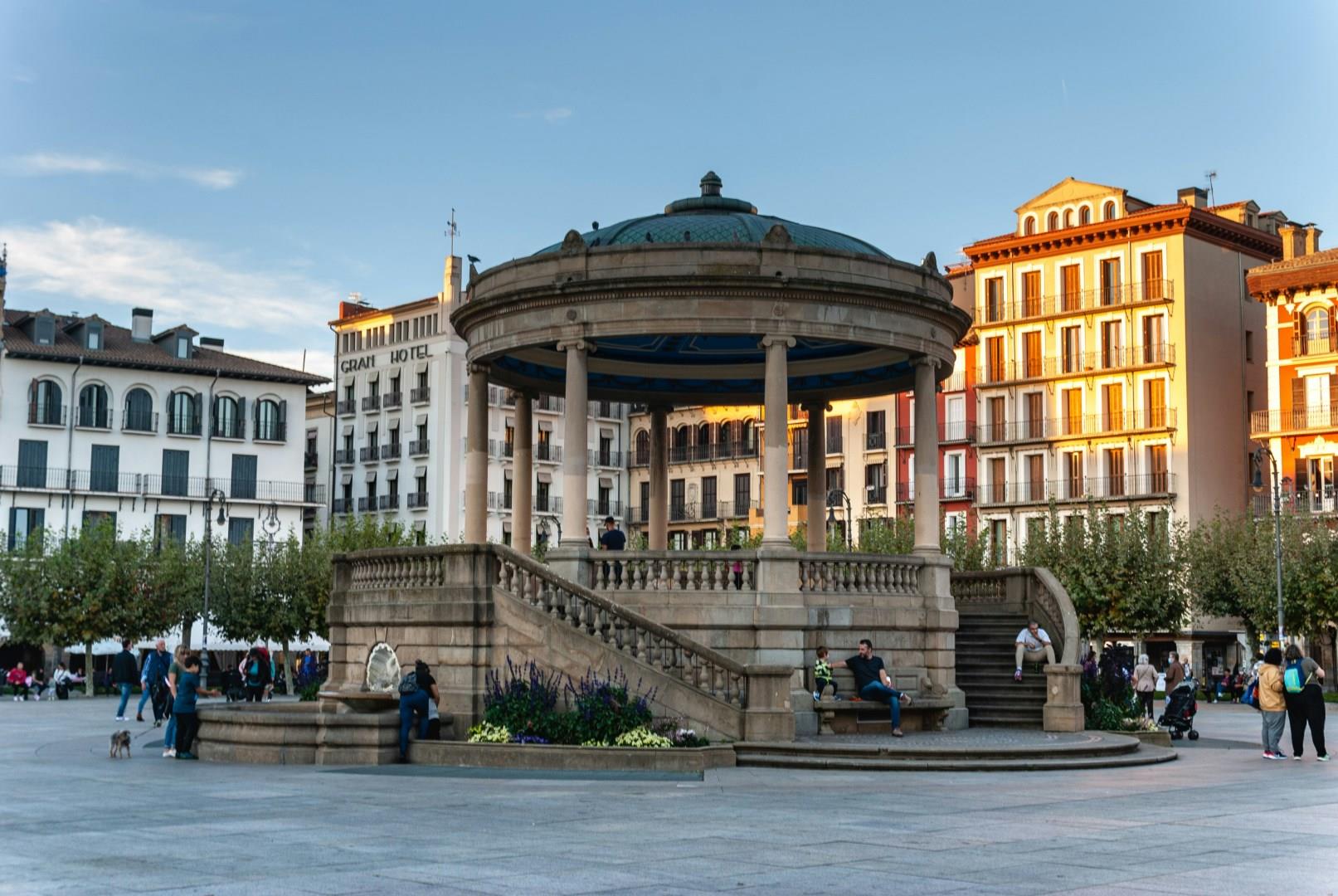
Pamplona
Pamplona, the capital of Spain’s Navarre region, is best known worldwide for the Running of the Bulls during the San Fermín festival each July. But beyond the brief rush of that event lies a city steeped in medieval history, Basque influence, and a slower pace that surprises many visitors. One of the most significant aspects of Pamplona is its place on the Camino de Santiago, the ancient pilgrimage route to Santiago de Compostela.
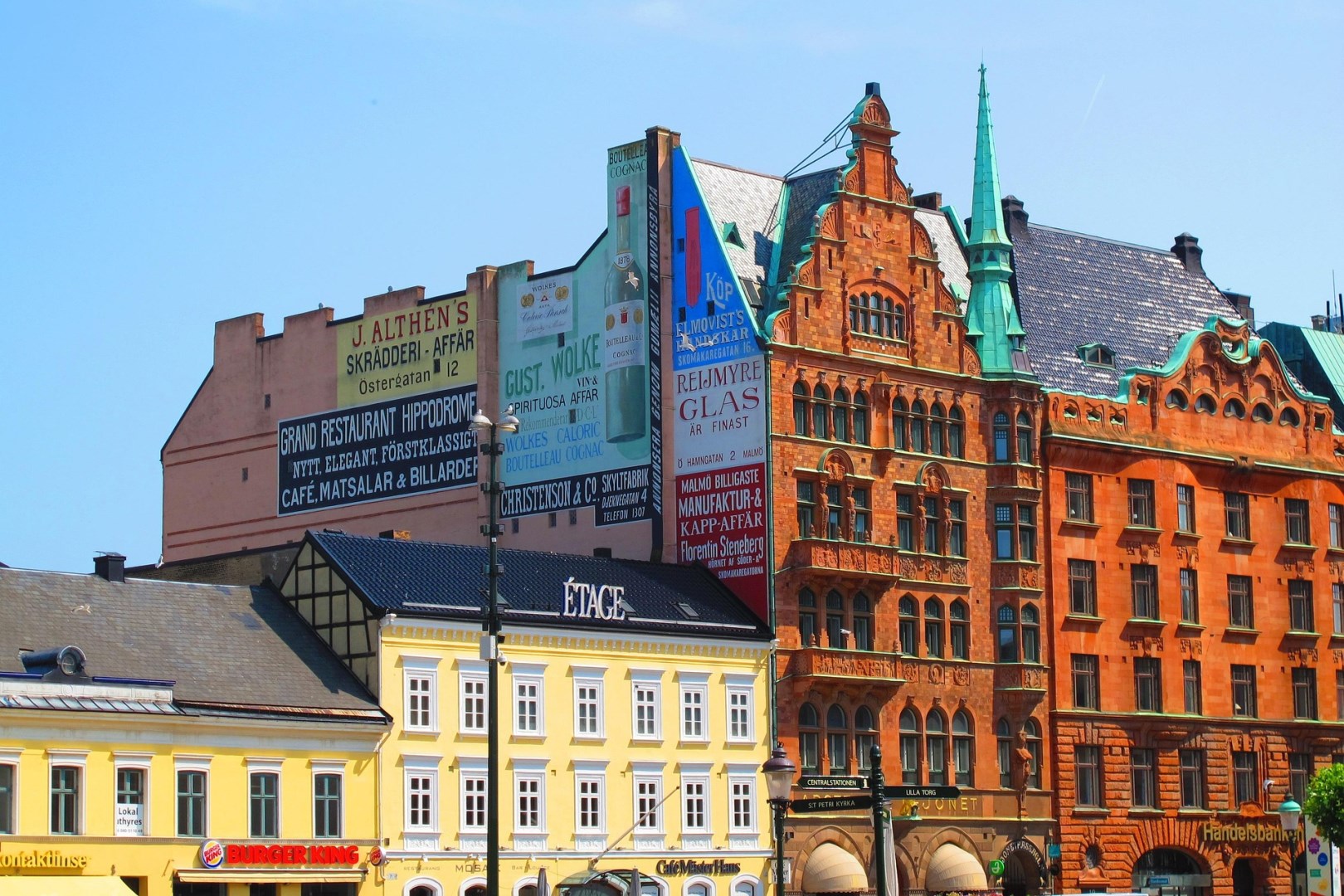
Malmö
Malmö is Sweden’s third-largest city, located in the southern province of Skåne beside the Öresund Strait. Its position opposite Copenhagen has made it an important port, trading center, and meeting place, while the city today combines historic neighborhoods with modern architecture and extensive parks.
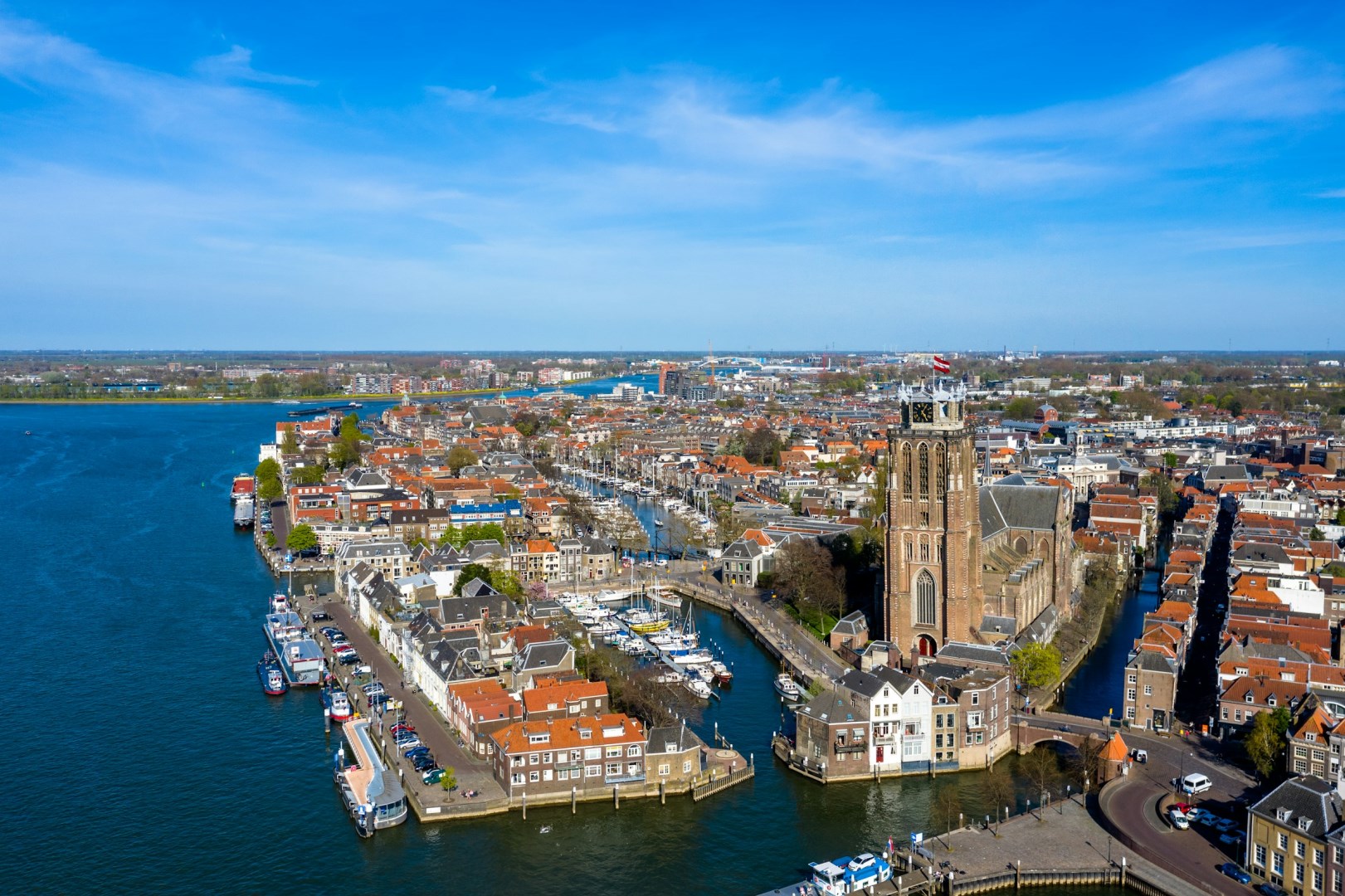
Dordrecht
Situated at the confluence of the rivers Merwede and Noord, Dordrecht is one of the Netherlands' oldest cities, rich in history and character from its charming medieval center and picturesque canals to its beautiful historic buildings. With its intricate network of canals and waterways, the city once played a key role in the Dutch Golden Age and is home to the Biesbosch National Park, one of the largest national parks in the Netherlands.

Wellington
On Cook Strait sits Wellington, New Zealand's charming windy city. Must-sees here include the waterfront, the lovely beaches, and the Wellington Cable Car that takes riders to botanical gardens. For cultural exposure, visit The Museum of New Zealand Te Papa Tongarewa, with its Maori national treasures and art gallery. Wellington Zoo is another key attraction, and features Tahi, a one-legged kiwi, as its mascot.
