
Bariloche
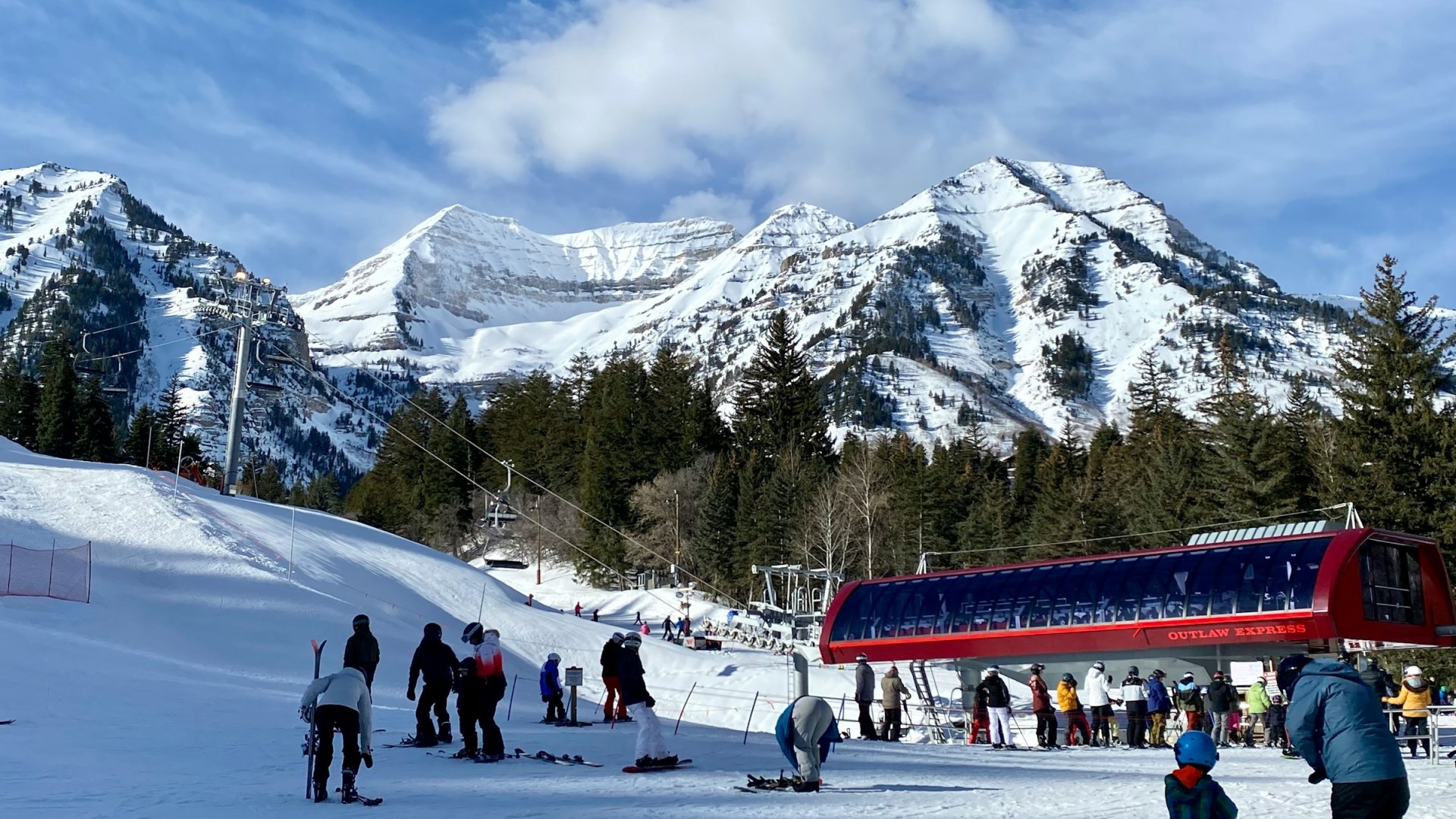
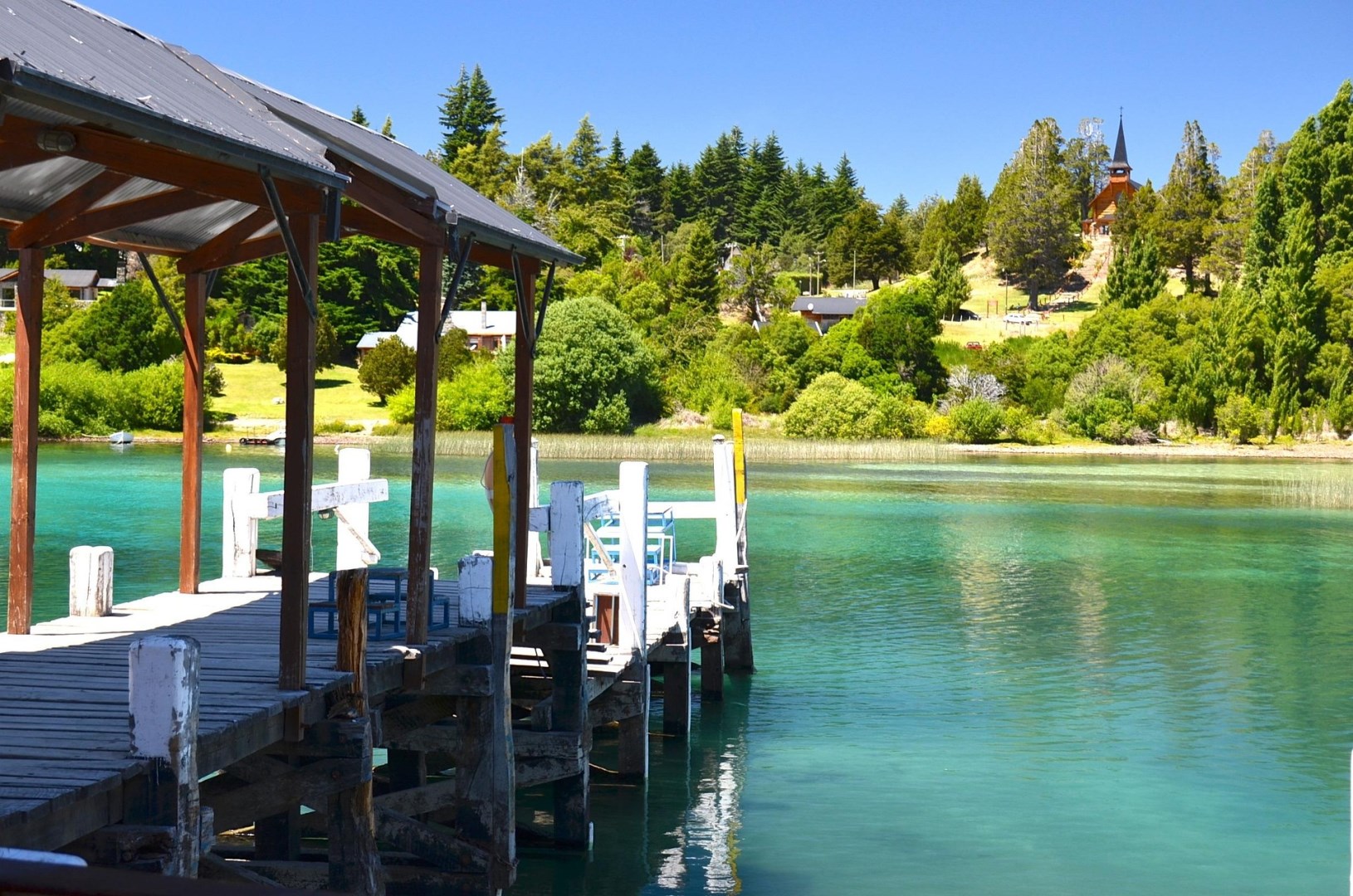
Bariloche, tucked into the foothills of the Andes in Argentina’s Patagonia region, is a town that feels both alpine and uniquely Argentine. With its wooden chalets, Swiss-style architecture, and chocolate shops on every corner, many visitors are surprised to find a lakeside town that resembles parts of Europe. But Bariloche’s identity is all its own, shaped by deep indigenous roots, waves of immigration, and the striking presence of Lake Nahuel Huapi.
South Luangwa National Park
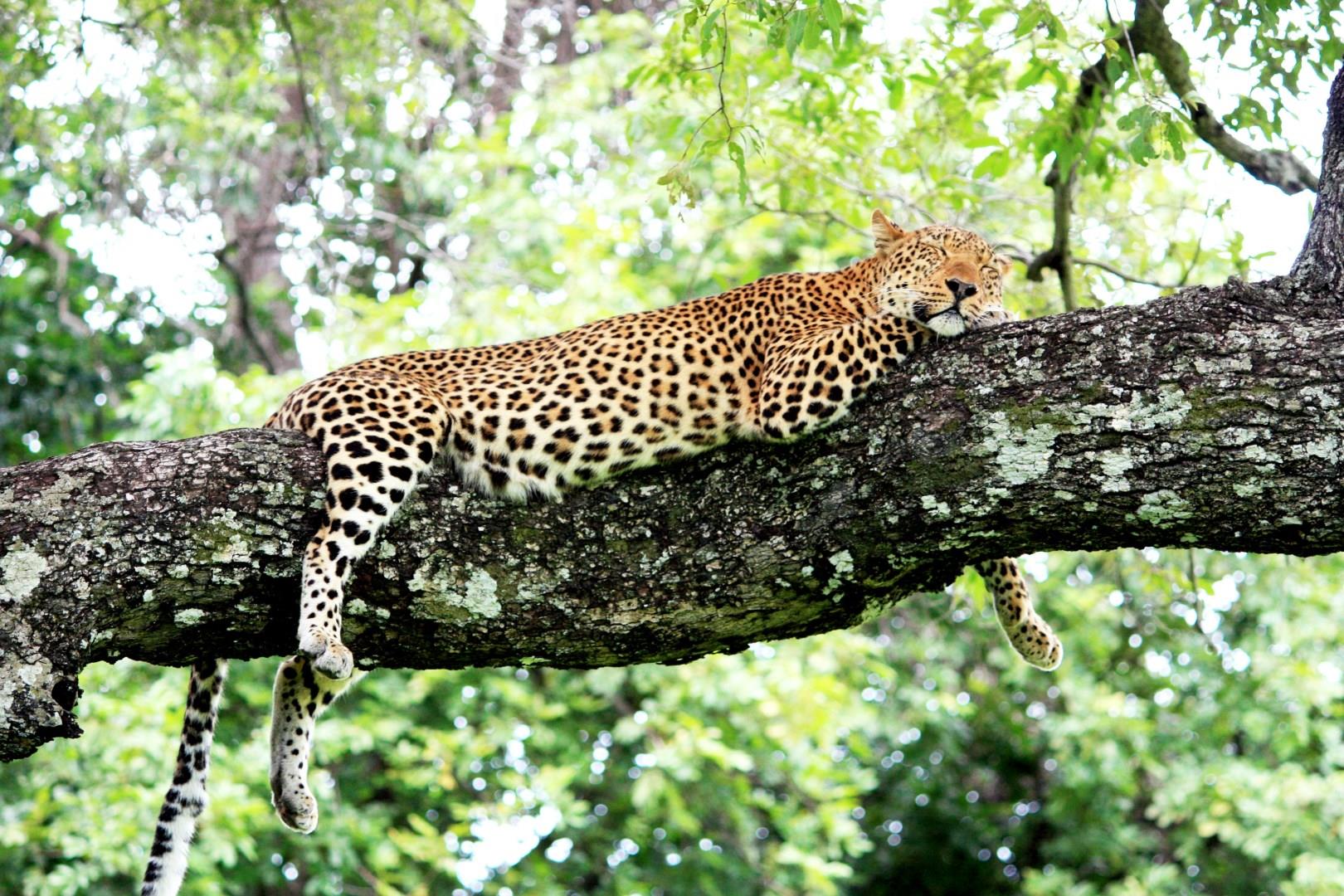
South Luangwa National Park in eastern Zambia is one of Africa’s most treasured wildlife areas, lying along the lush bends of the Luangwa River. Designated as a protected area in the 1970s, it stands out for its consistently high wildlife densities and landscapes that shift with the seasons. Dry grasslands, shaded woodlands, and green floodplains all unfold beneath wide skies, shaping the canvas for memorable animal sightings.
Texas
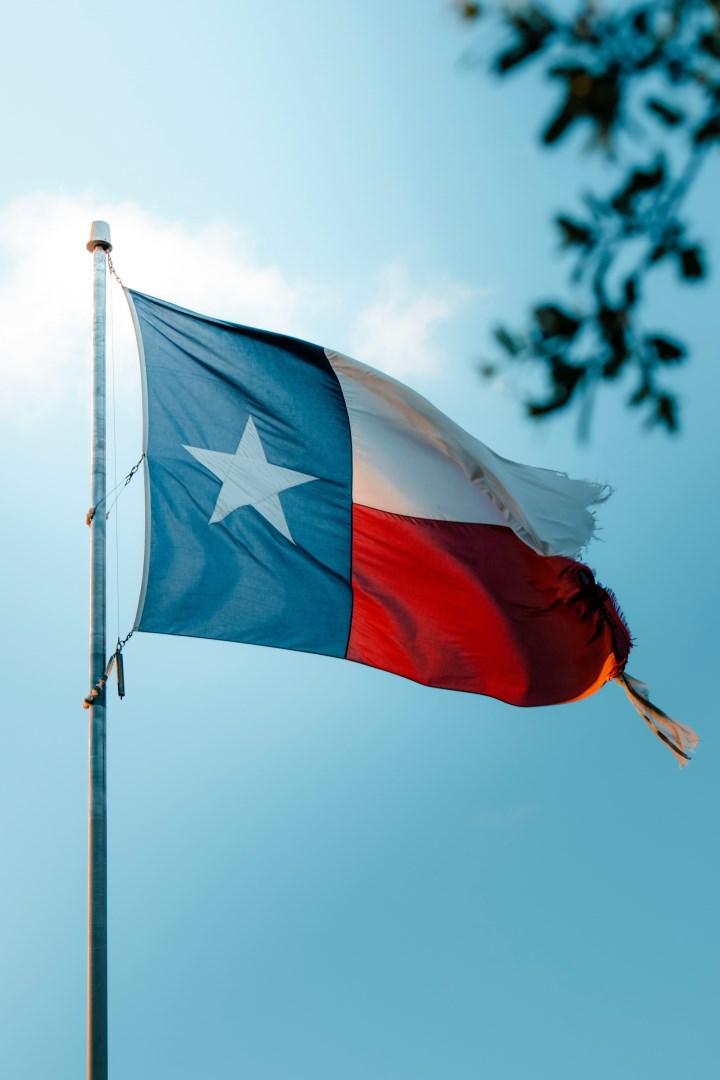
Texas is a state where size meets story from high plains to coastal shores, every region brings something distinct to the table. In San Antonio, visitors can walk through centuries of layered history starting at the Alamo, a site of one of the most famous battles in the state’s fight for independence. The nearby San Antonio Missions, a UNESCO World Heritage Site, offers a deeper look into the Spanish colonial influence that shaped the region.
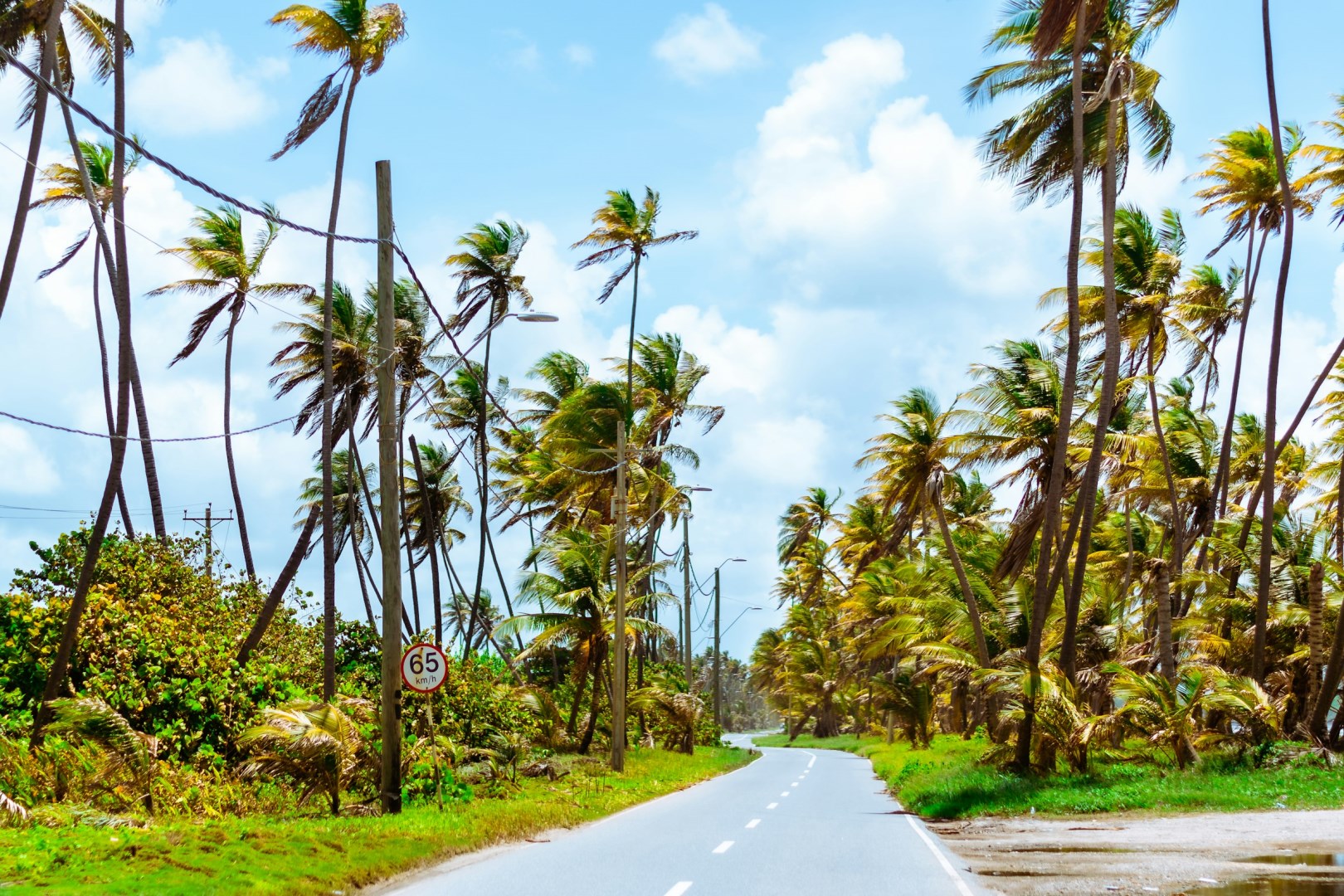
Mayaro Bay
Mayaro Bay is a long stretch of coastline on the southeastern side of Trinidad, facing the Atlantic Ocean and extending along the Mayaro coast. The area is known for its broad sandy beaches, coconut palms, coastal vegetation, and low-lying landscapes shaped by the sea. Unlike Trinidad’s more developed northwestern coastal districts, Mayaro has a more rural character, with villages, fishing activity, small farms, and scattered residences along the shoreline.
