
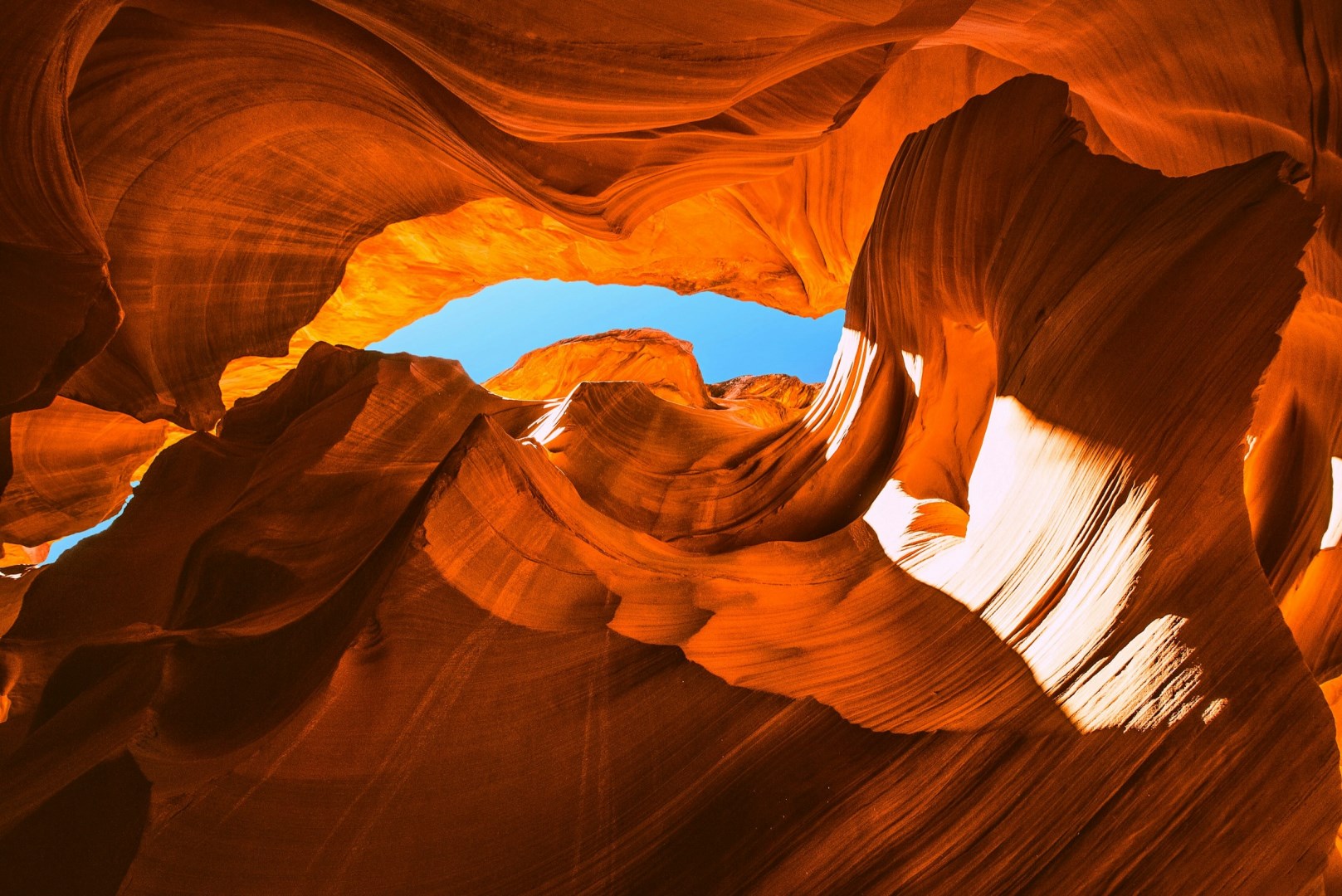
Antelope Canyon
Antelope Canyon is a narrow sandstone slot canyon on the Navajo Nation in northern Arizona, near Page and Lake Powell. It is divided into two main sections, Upper Antelope Canyon and Lower Antelope Canyon, both shaped by water erosion through Navajo Sandstone. The canyon is known for flowing walls, narrow passages, and shifting patterns of light and shadow.
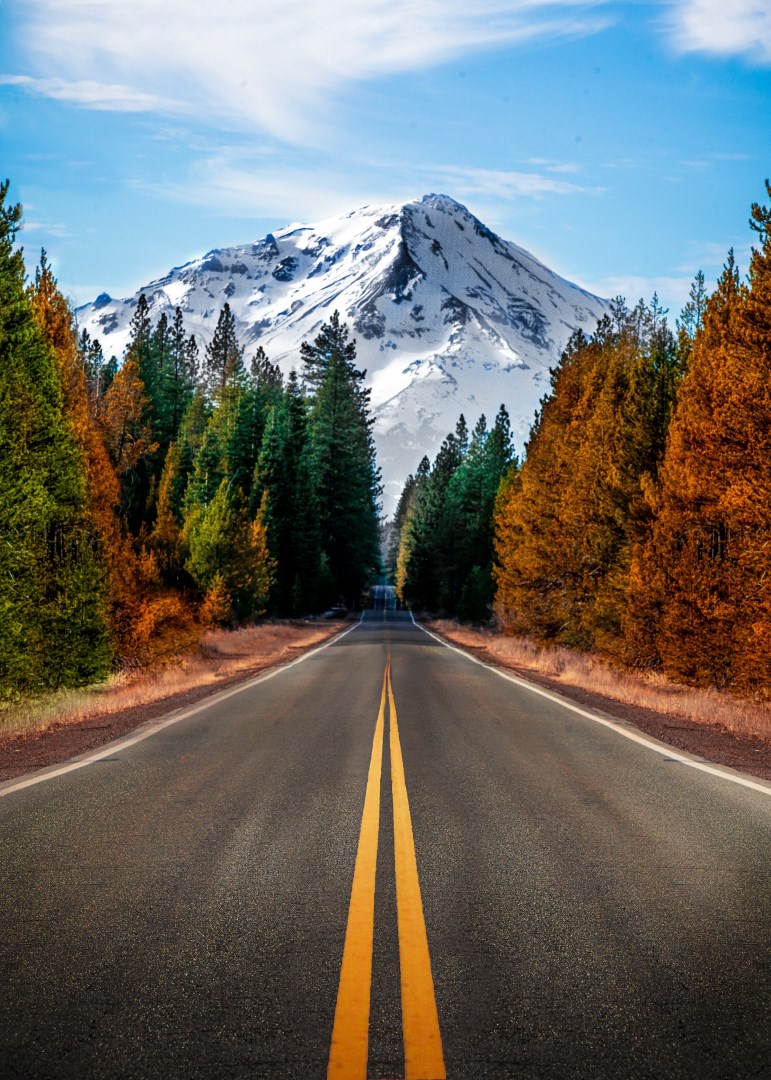
Mount Shasta
Mount Shasta is a small city in Northern California at the foot of the volcanic peak that shares its name. The community sits in the upper Sacramento River watershed, surrounded by conifer forests, mountain meadows, and the broader Cascade Range. Mount Shasta rises prominently to the east and reaches more than 14,000 feet, making it one of the most recognizable mountains in the state.

Philippines
The Philippines is an archipelago of more than 7,600 islands in Southeast Asia, known for its striking coastlines, tropical forests, and vibrant cultural diversity.

Luxor
Luxor, often referred to as the world’s greatest open-air museum, is a city where ancient history and breathtaking archaeology converge. Nestled along the eastern bank of the Nile River, Luxor is home to some of the most remarkable and well-preserved relics of ancient Egypt. A visit to the Karnak Temple Complex, an expansive and awe-inspiring site dedicated to the Theban triad of gods, reveals the grandeur of ancient Egyptian architecture and religious practices.

Chiang Rai
Chiang Rai, in northern Thailand near the borders with Laos and Myanmar, is a city where history, art, and tranquil landscapes converge. Founded in the 13th century as the first capital of the Lanna Kingdom, it retains a strong sense of heritage while also serving as a hub for contemporary Thai creativity.
