
Luxembourg
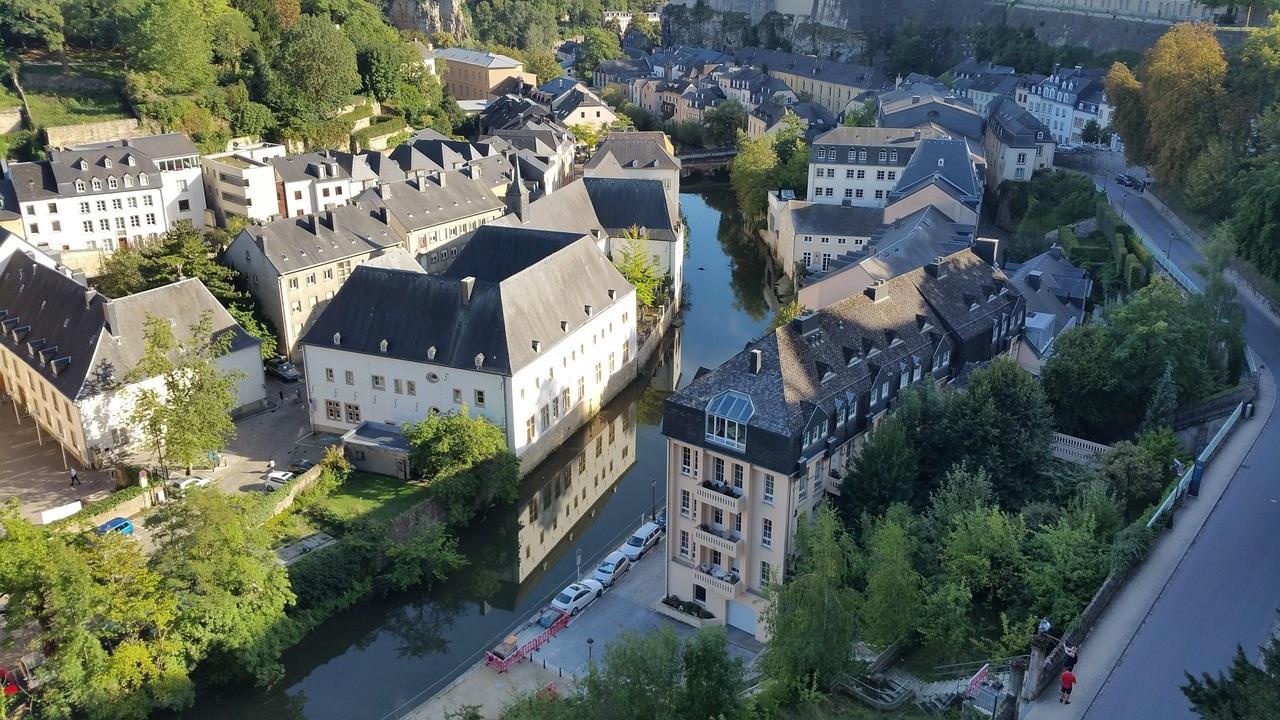
Luxembourg, a small yet influential country in the heart of Europe, offers visitors a rich blend of historic sites and contemporary culture. The capital city, Luxembourg City, is famous for its dramatic cliffs and ancient fortifications that have earned it a UNESCO World Heritage status. Walking through the old quarters, visitors can explore the casemates that reveal layers of the city’s military past.
Wismar
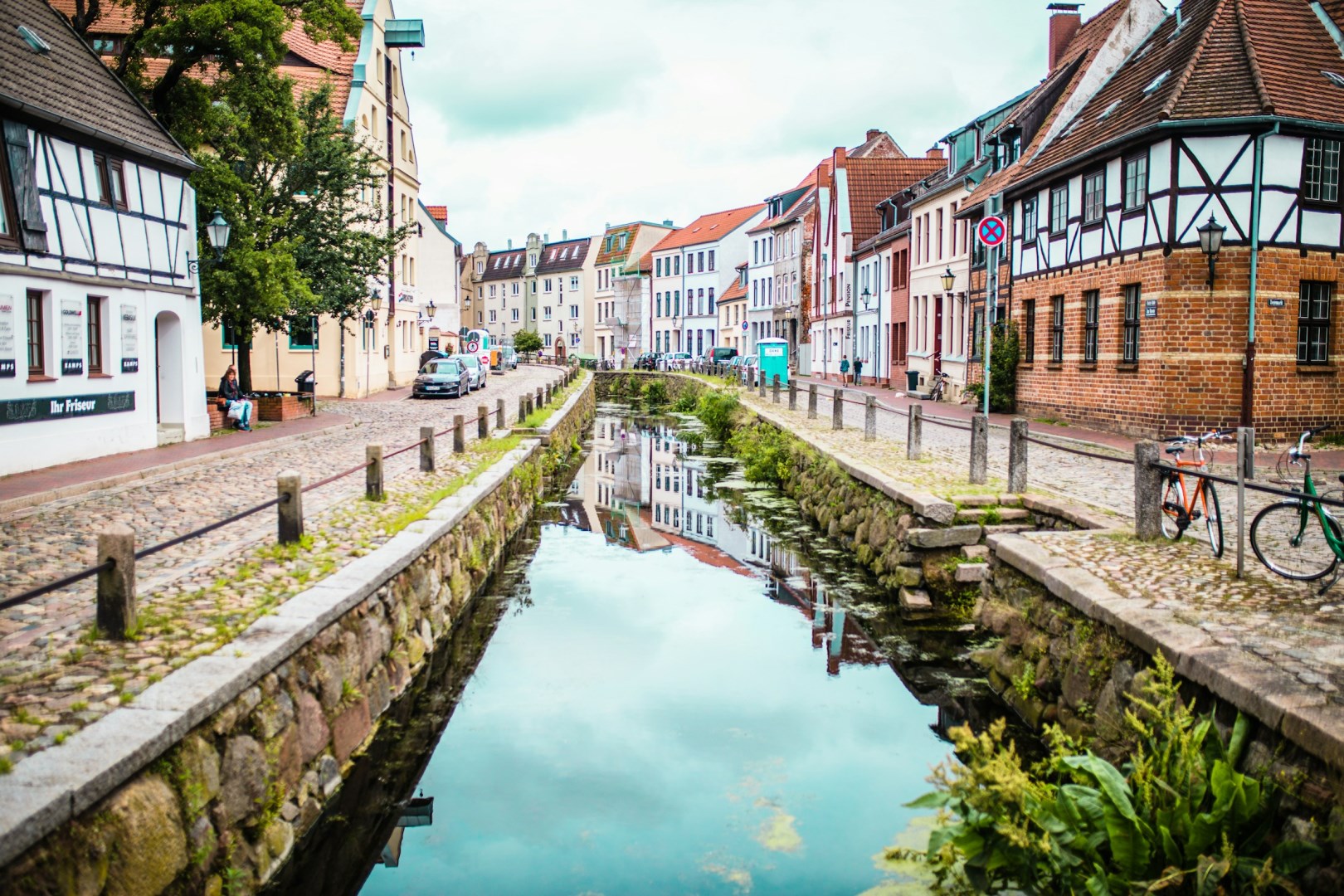
Wismar is a historic port city on Germany’s Baltic coast in the state of Mecklenburg-Western Pomerania. Its old town is known for a remarkably well-preserved medieval street plan, large brick churches, merchant houses, and a harbor connected to the Baltic Sea. The city’s architecture reflects its former importance within the Hanseatic trading network, while the waterfront continues to support maritime activity.
Costa del Sol
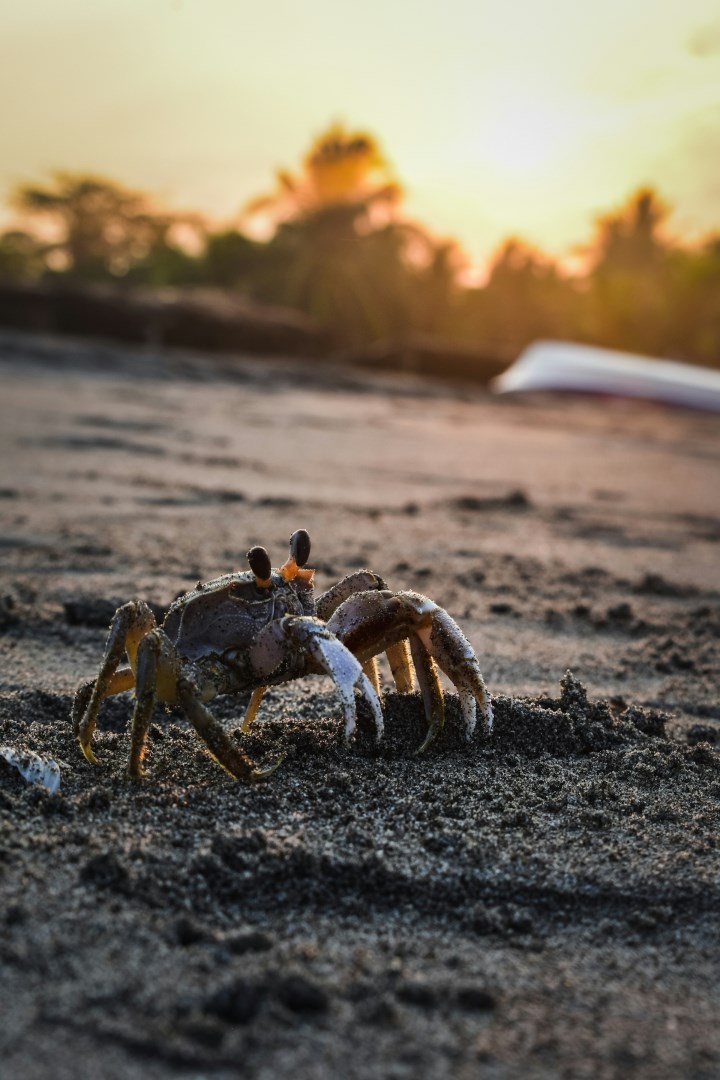
Costa del Sol is a coastal resort area in the department of La Paz, extending along a long sandbar between the Pacific Ocean and the estuary system of the Jaltepeque River. Its landscape combines broad sandy beaches, coastal vegetation, tidal channels, mangroves, and calm waterways, creating a setting that differs from El Salvador's more rugged volcanic coastline.
Lake Baringo
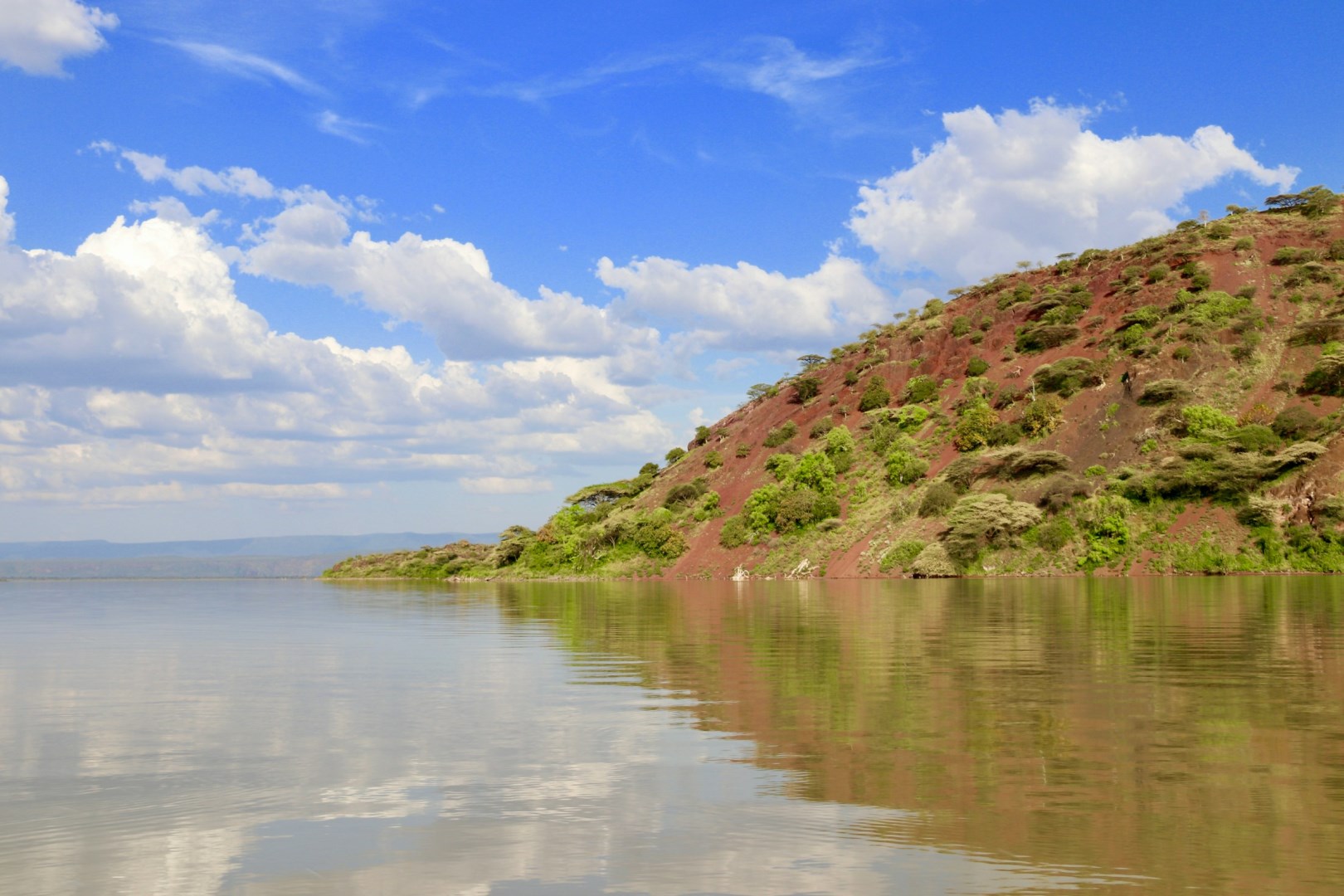
A shallow lake at over 3200 feet above sea level in central west Kenya, it is the home of the Kamasya and Njamus who raise cattle and crops and fish for tilapia. The lake covers about 50 square miles.
Palmeira
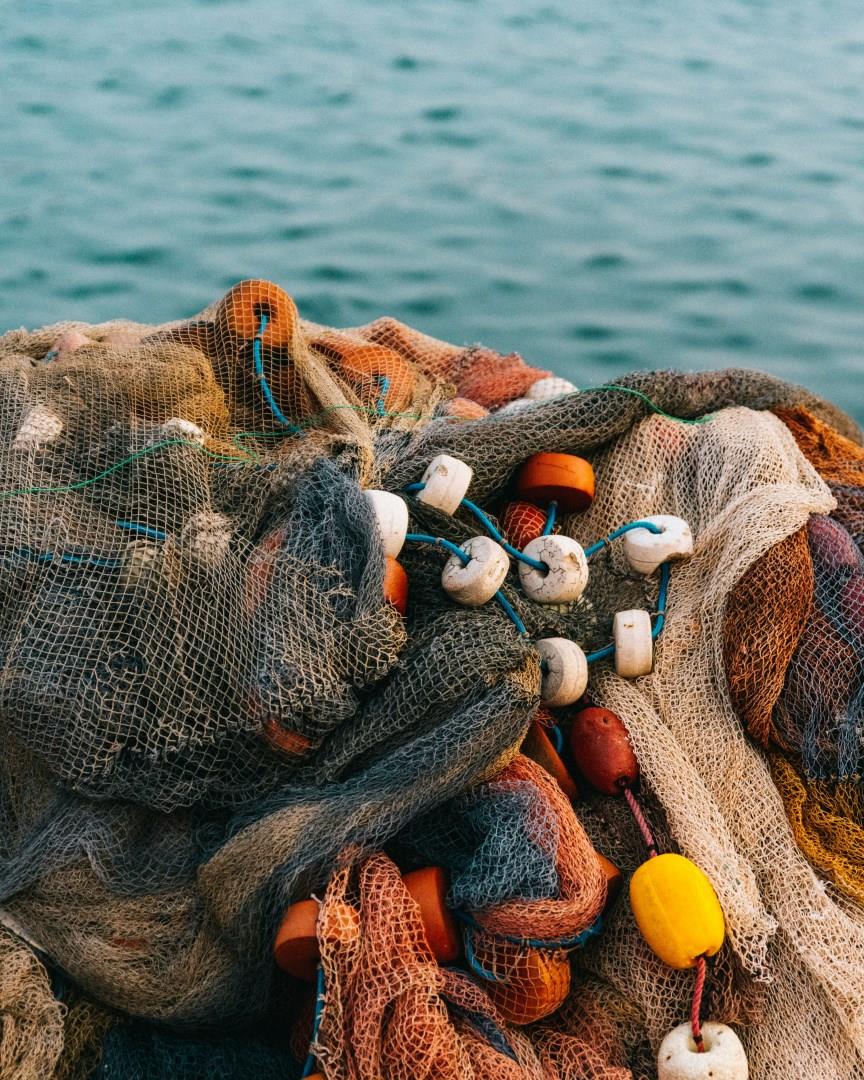
On the north-western coast of Sal Island in Cape Verde sits Palmeira, an authentic fishing settlement where day-to-day life still revolves around the sea. The village’s seaside restaurants serve grilled tuna, octopus, and flying fish fresh from the day’s catch. Just a short trip from the centre lies Buracona, a natural lava rock pool famous for the “Blue Eye,” a glowing underwater cave that shines when the sunlight hits at just the right angle.
