

South Korea
South Korea is a land where ancient traditions live alongside futuristic cities. From Seoul’s grand palaces and vibrant arts scene to the volcanic landscapes of Jeju Island and the tranquil reflection of rice paddies in rural valleys, the country balances its rich heritage with constant reinvention.
Mayotte
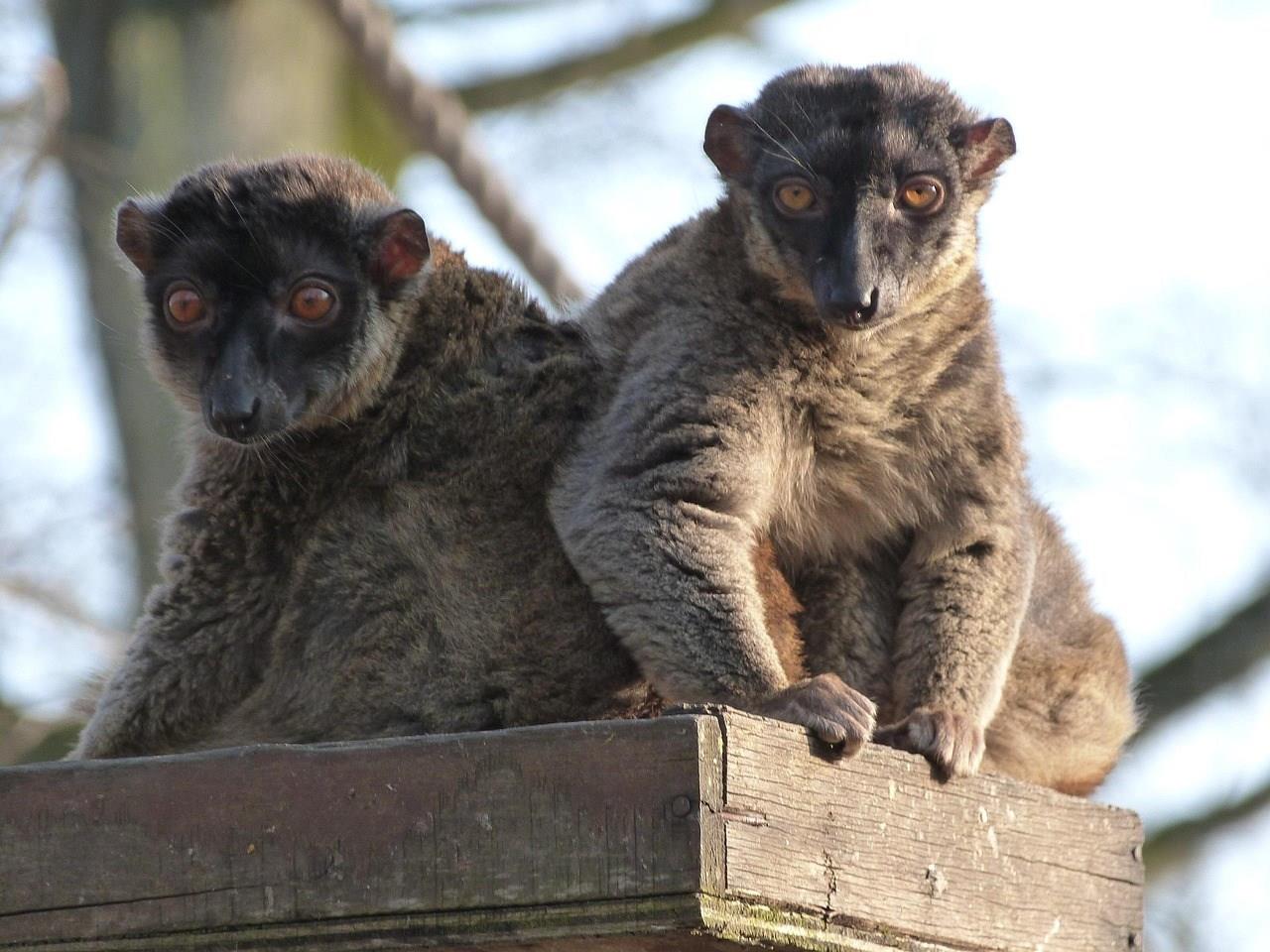
Mayotte, a French overseas department nestled in the Mozambique Channel between Madagascar and mainland Africa, offers travelers a window into a lesser-known island culture shaped by Swahili, Malagasy, and French influences. Unlike its neighbors in the Comoros archipelago, Mayotte remains part of France, giving it a unique blend of European infrastructure and Indian Ocean traditions.
Amritsar
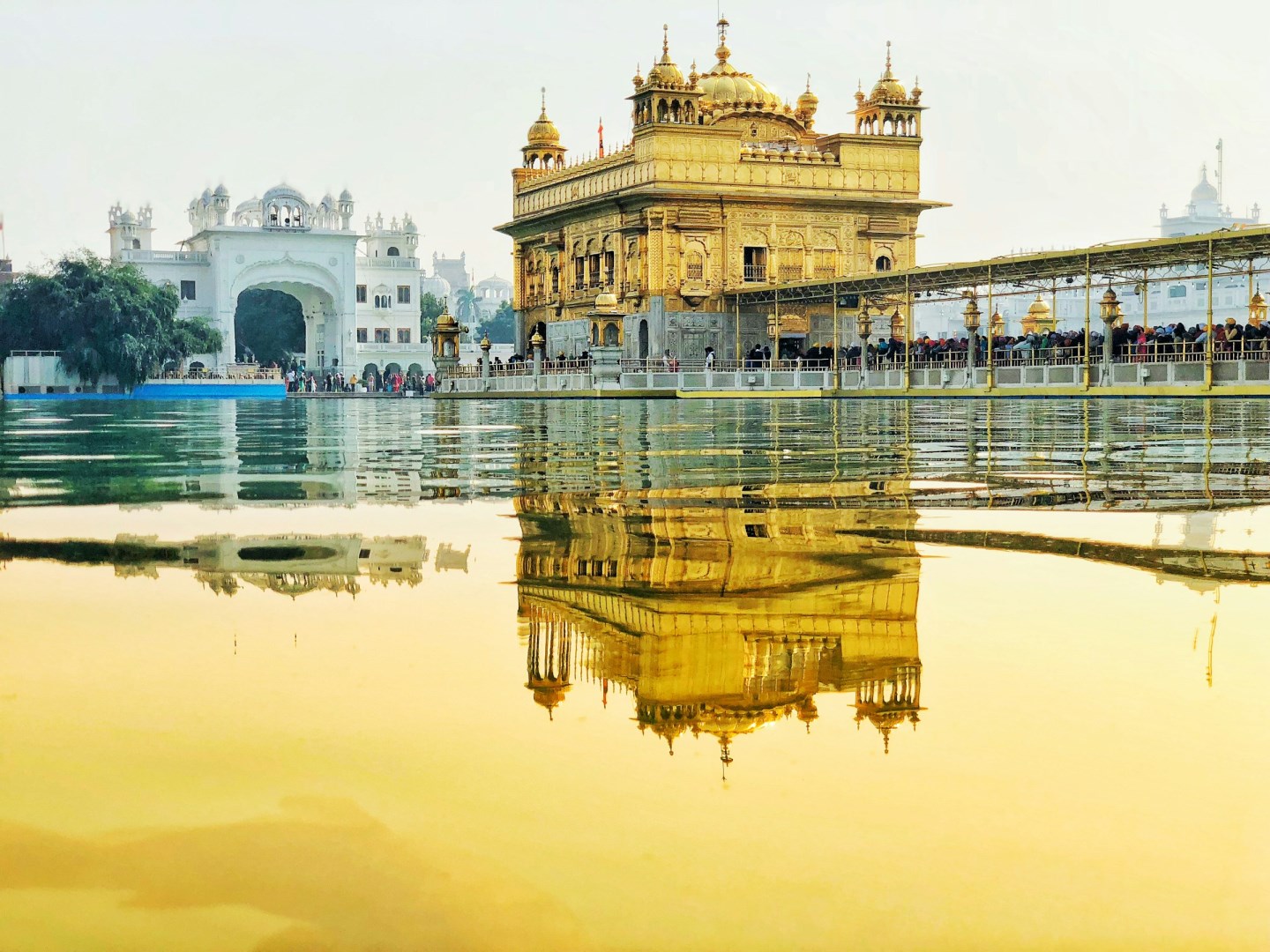
Located in the Indian state of Punjab, Amritsar is perhaps best known as the home of the Golden Temple, or Harmandir Sahib. It is one of the Sikhism religion's most significant and most-visited gurudwaras (place of worship). Tourists may also be interested in one of several museums, Urban Haat Food Street, Gobindgarh Fort and the Jallianwala Bagh memorial garden.
Saint-Pierre
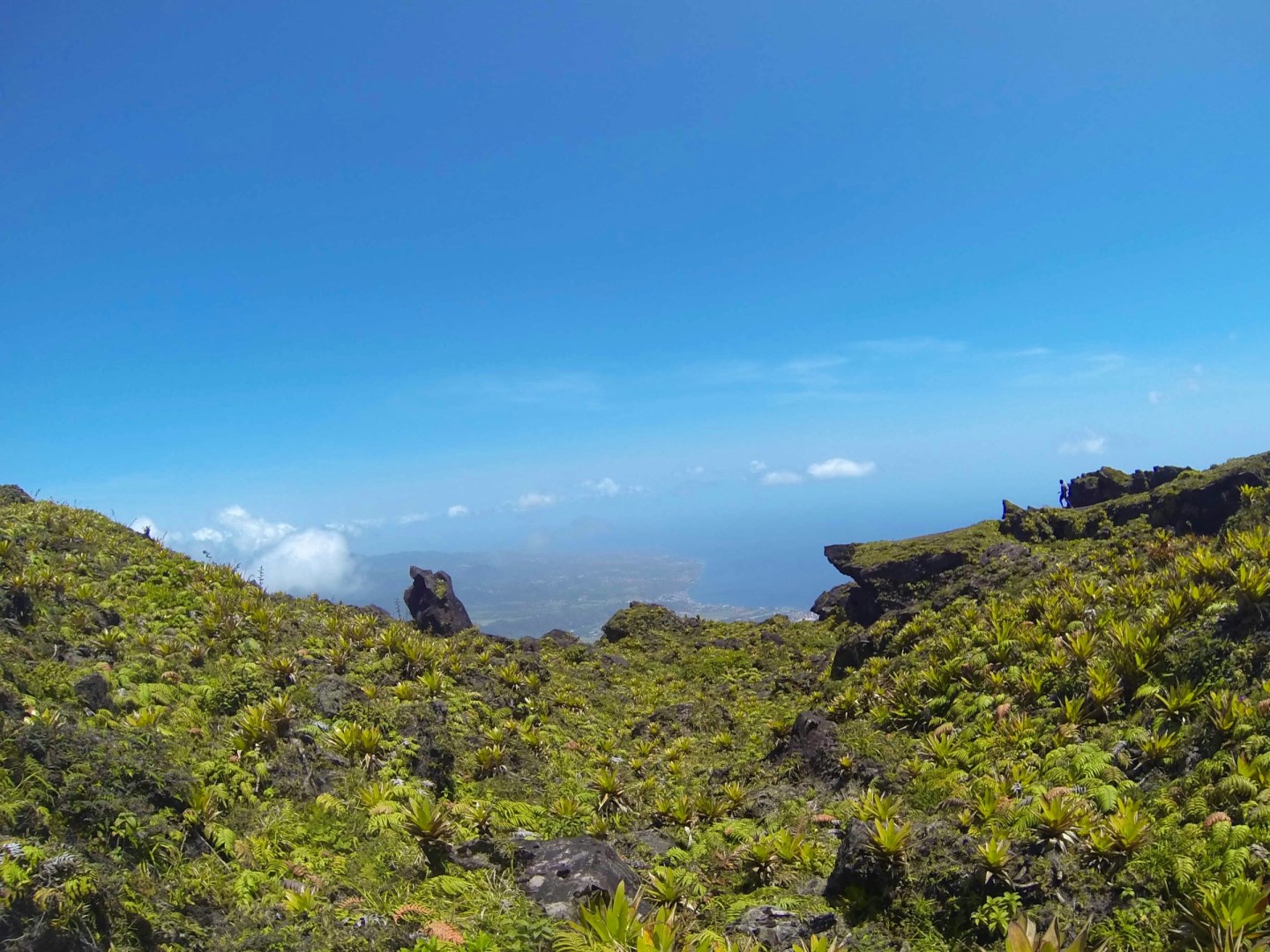
Saint-Pierre is a historic coastal town in northern Martinique, set between the Caribbean Sea and the slopes of Mount Pelée. Once the island’s principal port and commercial centre, the town was destroyed by the volcano’s eruption and later rebuilt around surviving ruins and archaeological remains. Today, Saint-Pierre is recognized as a Town of Art and History, with a landscape that combines the sea, volcanic mountain, historic streets, and remnants of the former city.

Netherlands
The Netherlands offers travelers a landscape where innovation and tradition intersect. In cities like Amsterdam, visitors can explore centuries-old canal networks and Golden Age architecture while also encountering contemporary art installations and sustainable urban design. The Rijksmuseum houses masterpieces by Rembrandt and Vermeer, while a short walk away, the Van Gogh Museum brings visitors closer to one of history’s most studied painters.
