
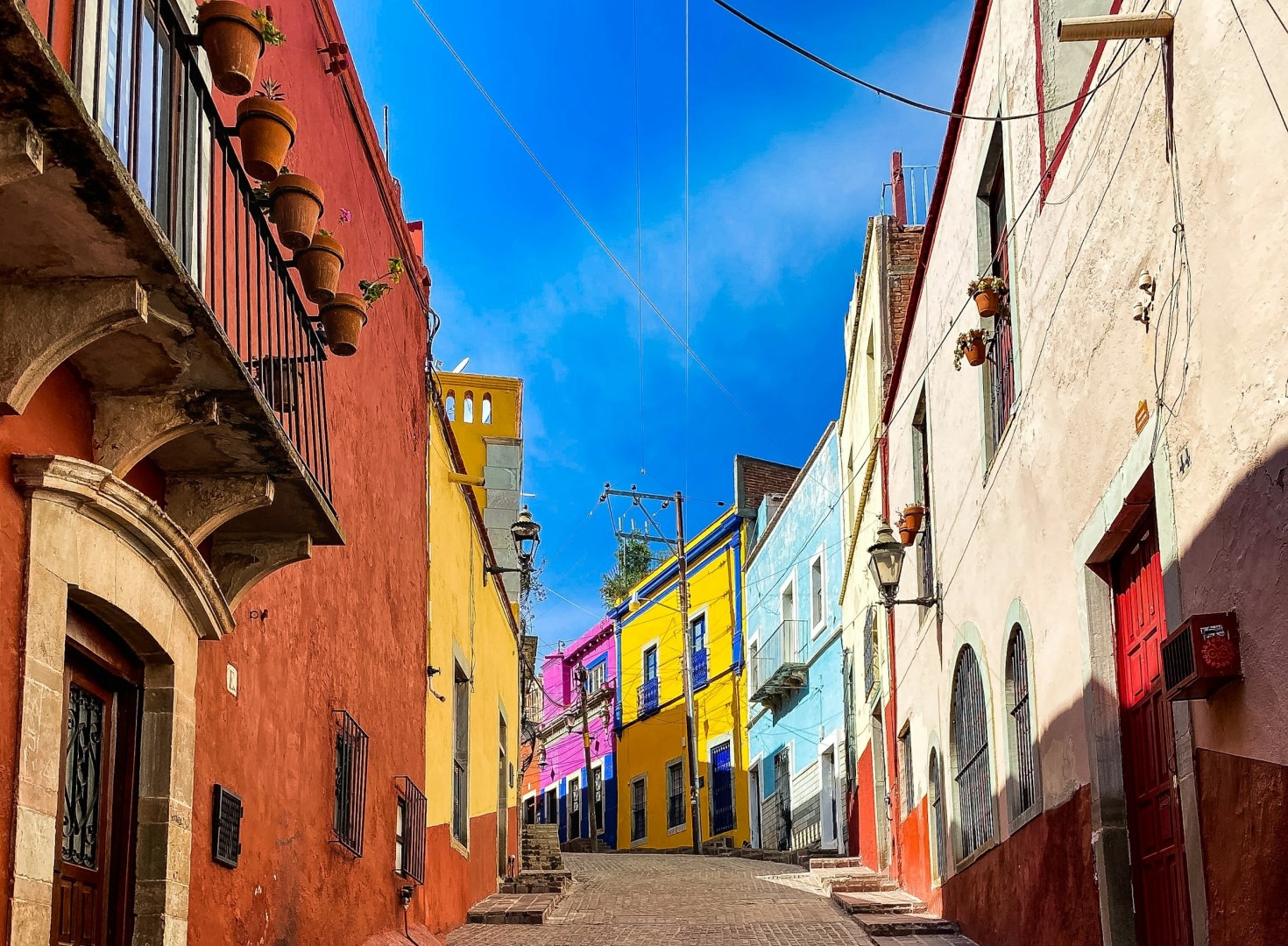
Guanajuato
Guanajuato, a UNESCO World Heritage City nestled in the mountains of central Mexico, is a place where history is built into every hillside alley and underground tunnel. Today, visitors can still tour La Valenciana Mine, where centuries-old tunnels and original mining equipment offer a glimpse into the city's wealth-driven past. The nearby Templo de San Cayetano, built by mine owners in the mid-1700s, is a stunning example of baroque design, lined with gilded altars and intricate woodwork.
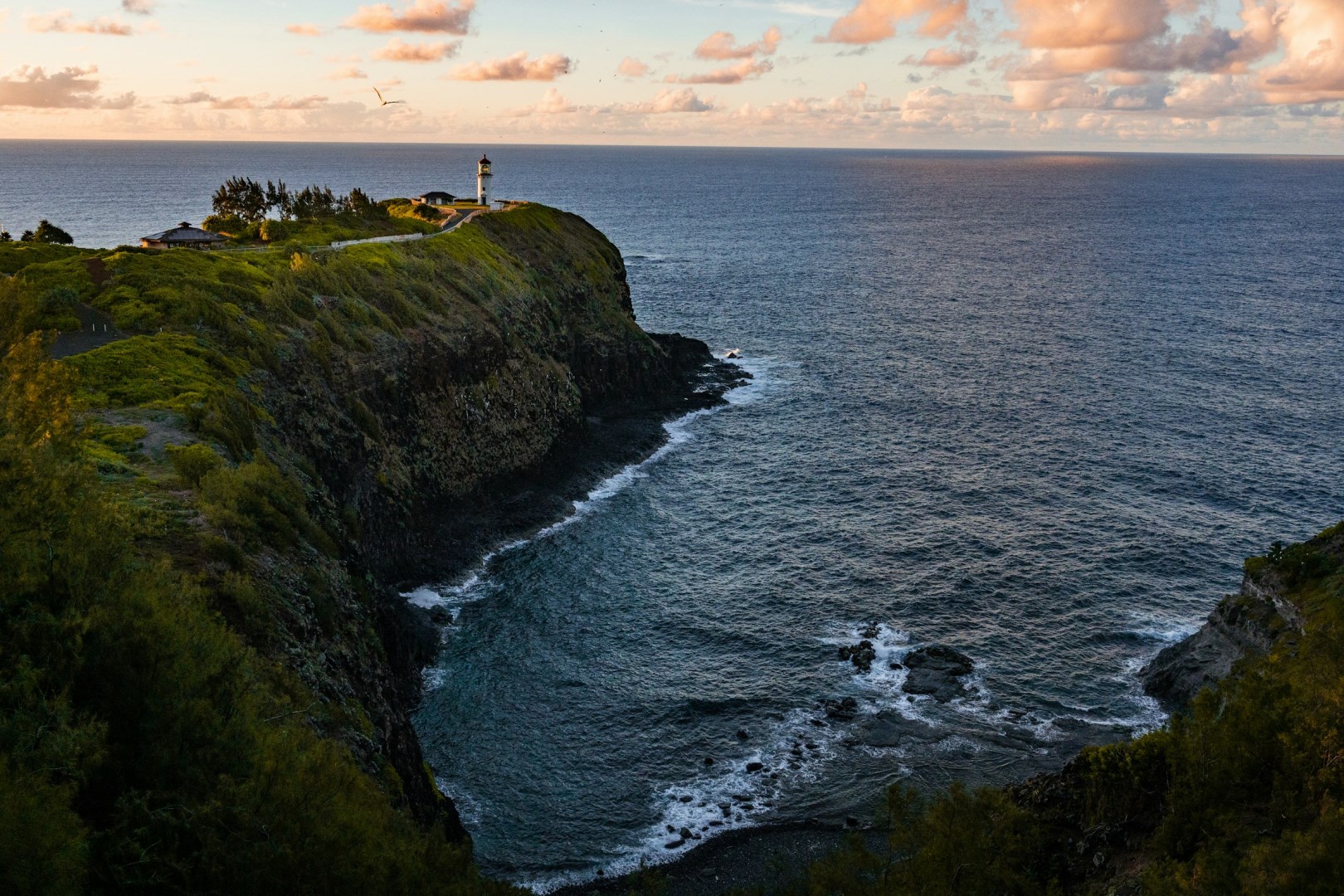
Kilauea, Hawaii
Kilauea is the world's largest active volcanic mass, located southeastern Hawaii Island. The central feature of Hawaii Volcanoes National Park is an elongated dome built of lava eruptions from a central crater and from lines of craters extending along east and southwest riffs or fissures.
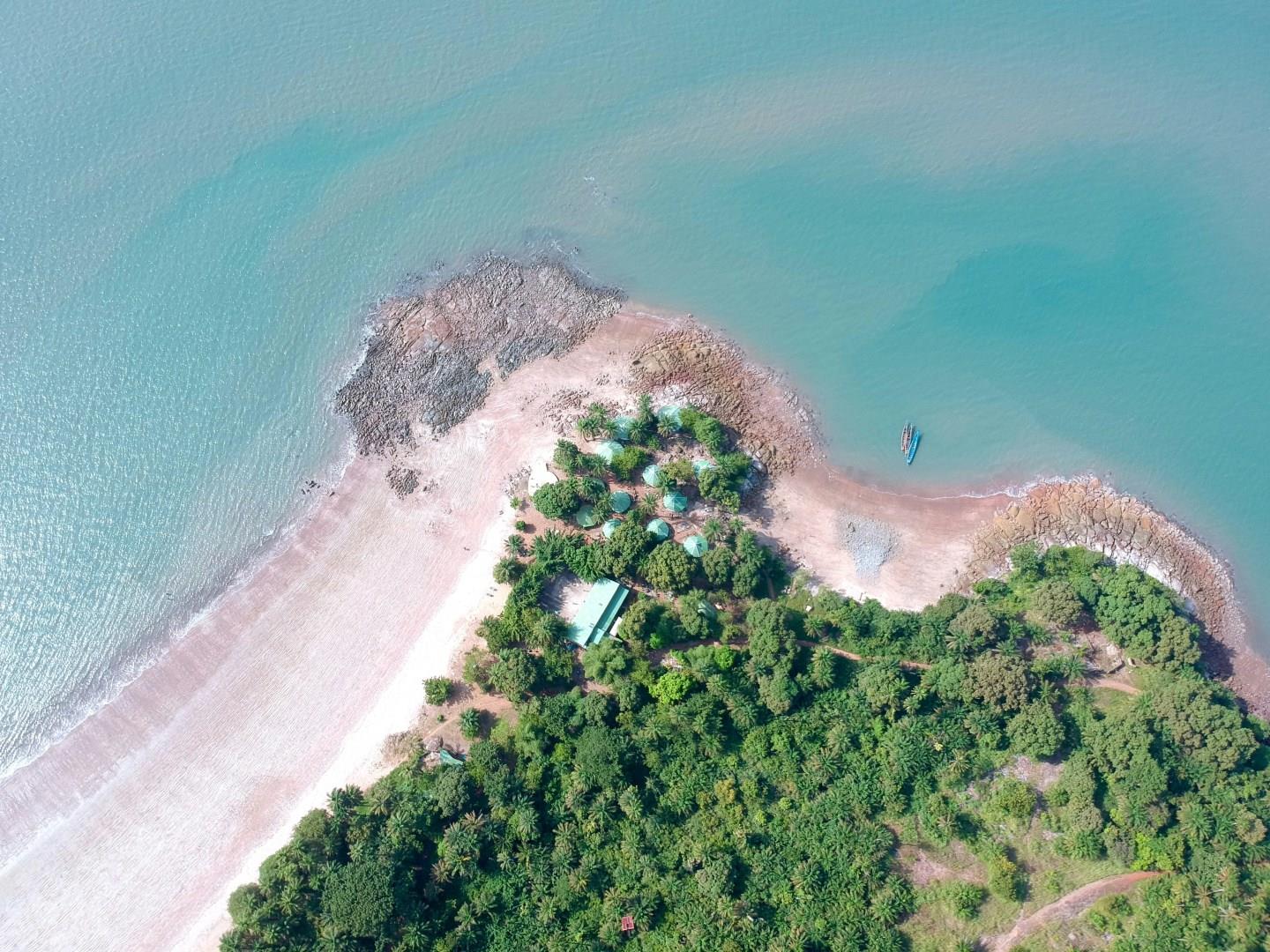
Kaloum
Kaloum, the bustling central district of Conakry, serves as the political, commercial, and cultural heart of Guinea’s capital.
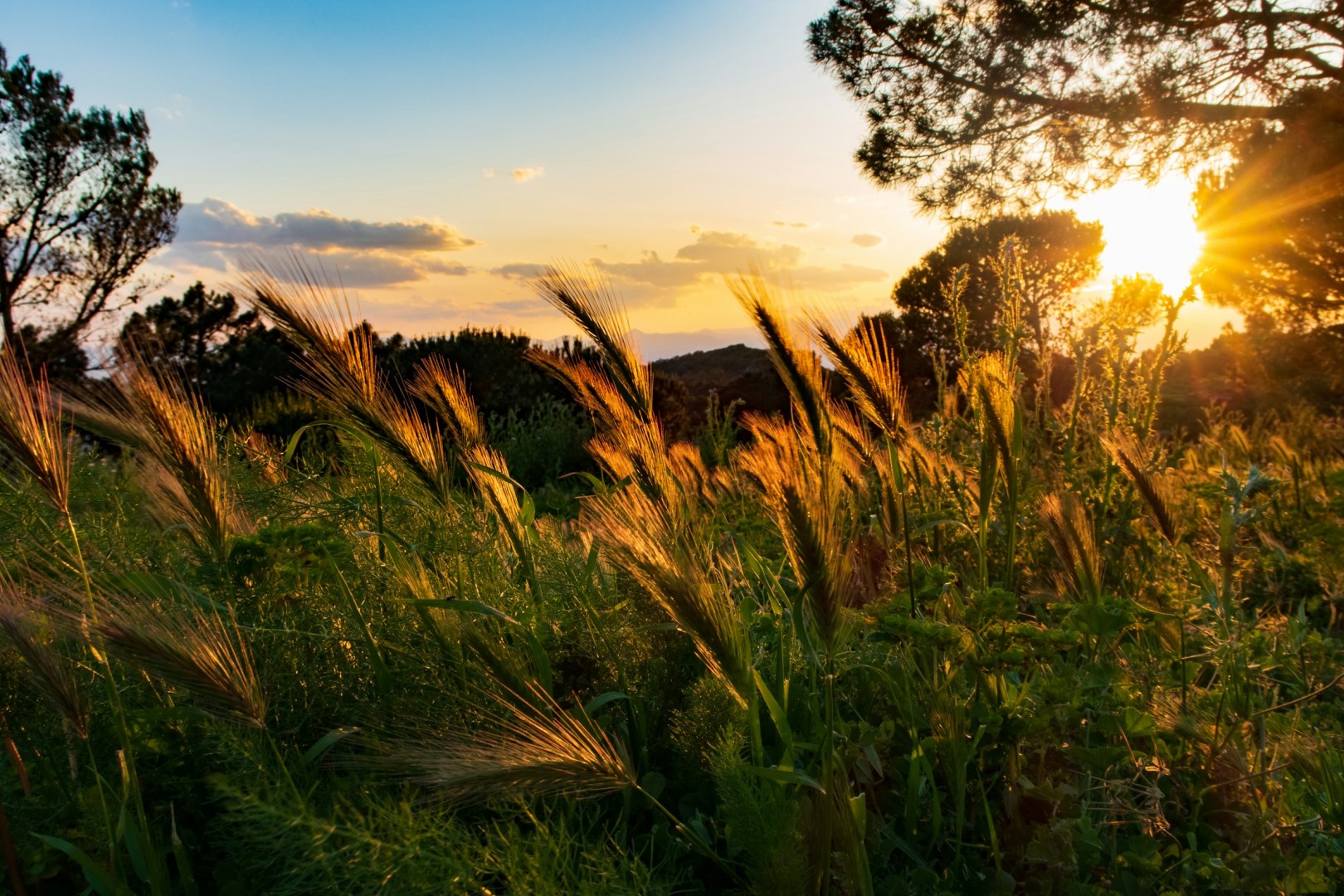
Roses
Roses is a coastal town in Catalonia’s Alt Empordà, positioned at the eastern edge of the Iberian Peninsula where the Pyrenees meet the Mediterranean. Its broad bay opens toward the Cap de Creus peninsula, giving the town a landscape of beaches, rocky headlands, and low coastal hills. Roses has a strong maritime identity, with a fishing port operating alongside a marina and a long seafront promenade.

Zanzibar
Zanzibar Island, off the coast of Tanzania, is a captivating destination where history and natural beauty converge. The island’s Stone Town, a UNESCO World Heritage Site, is a maze of narrow alleys, vibrant markets, and historical buildings. Wander through the bustling Darajani Market, where local spices, textiles, and crafts create a sensory feast.
