
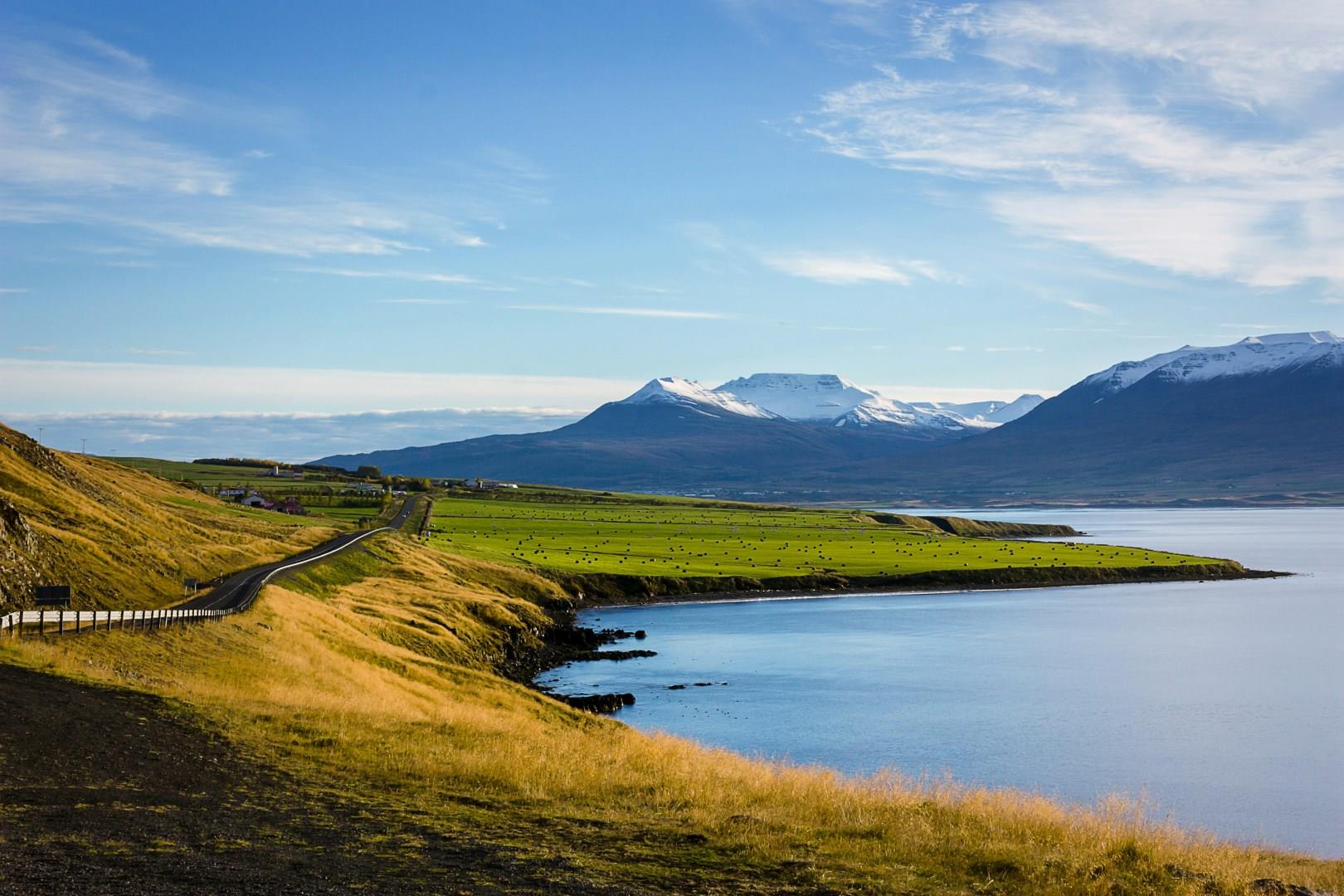
Akureyri
Akureyri, often referred to as the capital of North Iceland, offers travelers a distinct experience shaped by its Arctic location and rich local culture. Nestled at the base of Eyjafjörður fjord, the town has served as a trading center since the 1600s and continues to thrive with a mix of fishing, arts, and tourism. Within a few hours’ drive, visitors can reach the geothermal fields of Hverir, the volcanic craters at Lake Mývatn, and the powerful Goðafoss waterfall.
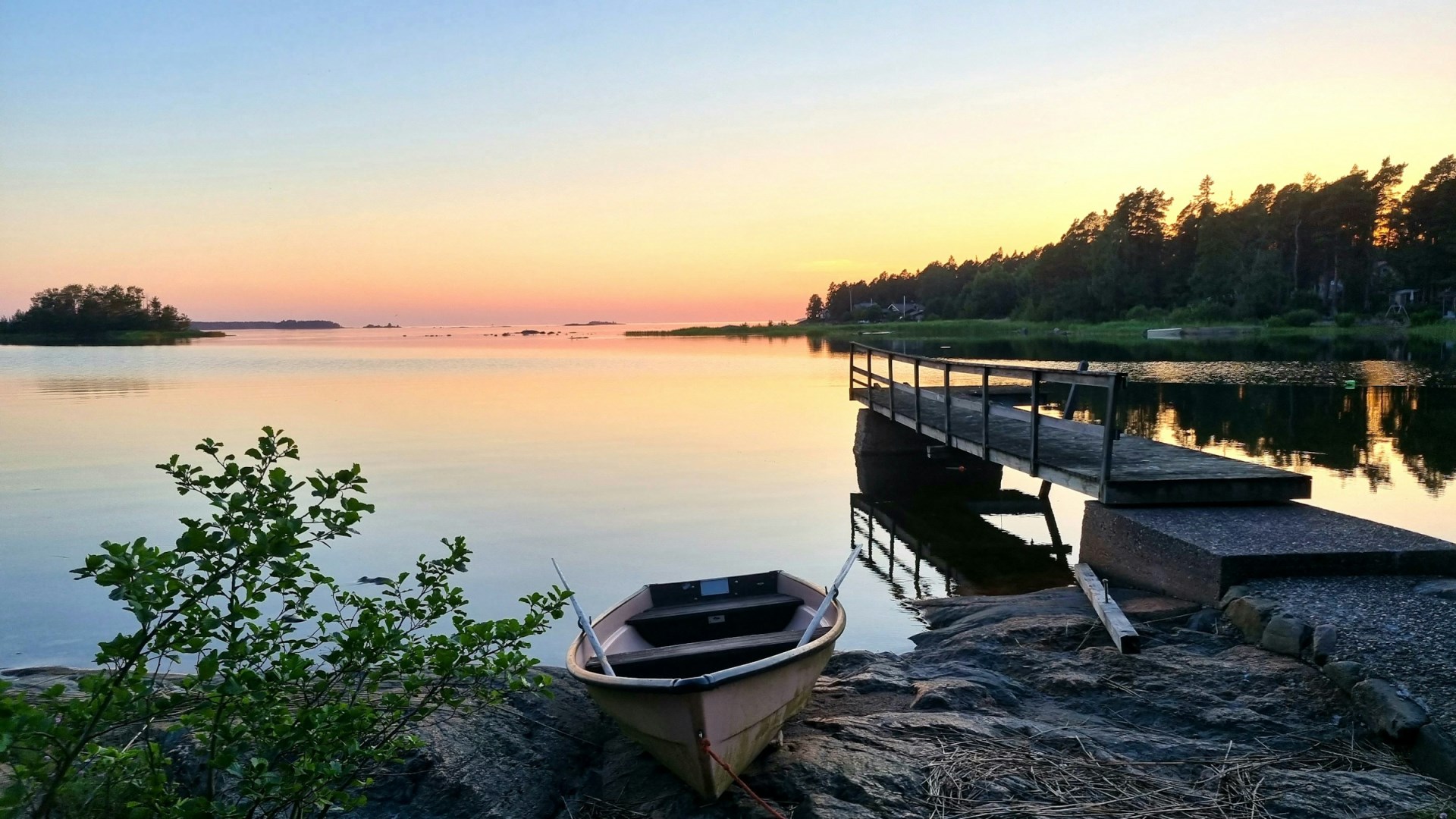
Rauma
Rauma is a historic coastal town in western Finland, located on the Gulf of Bothnia and known for its well-preserved wooden Old Rauma district. Narrow lanes, colorful timber houses, small courtyards, and irregular street patterns give the historic center a distinctive appearance. Outside the old town, Rauma remains an important port and industrial center, while the surrounding coast contains islands, rocky shores, and forested landscapes.

St. Lucia
St. Lucia is an island of verdant landscapes in every direction: A dense rain forest rises up and covers The Pitons' twin peaks, and in the valleys, the sun's rays dance upon the large yellow-green leaves of banana plants. Beyond all the greenery, you'll find isolated coves, stunning beaches, colonial towns, quiet fishing villages and first-class yachting facilities.
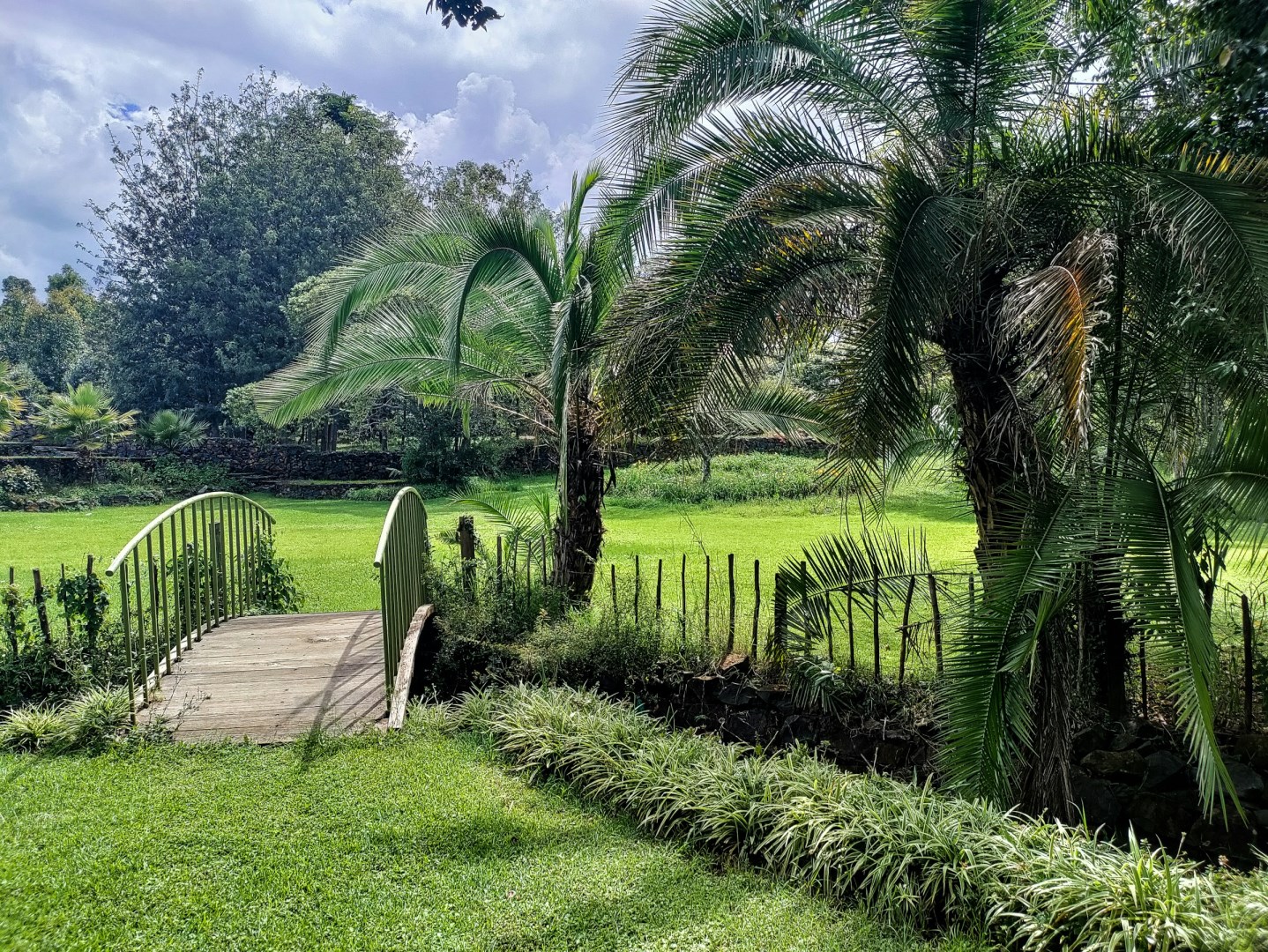
Eldoret
The town of Eldoret is located in western Kenya, eastern Africa, on the Uasin Gishu Plateau west of the Great Rift Valley. Situated at an elevation of 6,857 feet (2,090 m) above sea level, its healthful climate attracted many European settlers during the colonial period. It serves an agricultural area; chief crops are corn (maize), wheat, and pyrethum.

Braşov
Nestled in the heart of Romania, Brașov is a charming city that effortlessly blends medieval history with stunning natural beauty. Encircled by the Carpathian Mountains, Brașov's well-preserved medieval architecture and vibrant cultural scene make it a must-visit destination.
