

Dominica
Dominica, known as the “Nature Island of the Caribbean,” is a haven for eco-tourists and adventure seekers. Nestled between the French islands of Guadeloupe and Martinique, this lush island boasts a remarkable landscape of volcanic mountains, dense rainforests, and stunning waterfalls. Dominica’s most iconic natural wonder is the Boiling Lake, the second-largest hot spring in the world.

Salzburg
Nestled in the foothills of the Eastern Alps, Salzburg, Austria, exudes a timeless charm that combines Baroque splendor, musical heritage, and breathtaking natural beauty. The city is famously known as the birthplace of Wolfgang Amadeus Mozart, one of the world's greatest composers. Visitors can immerse themselves in the life and works of Mozart by visiting his birthplace, now a museum, on Getreidegasse, a picturesque street lined with wrought-iron signs and colorful facades.

Giza
Giza, Egypt, is a destination that embodies the mysteries and grandeur of ancient civilization, drawing millions of visitors every year to marvel at its iconic monuments. At the heart of Giza stands the Giza Plateau, home to the legendary Pyramids of Giza — the Great Pyramid of Khufu, the Pyramid of Khafre, and the Pyramid of Menkaure.
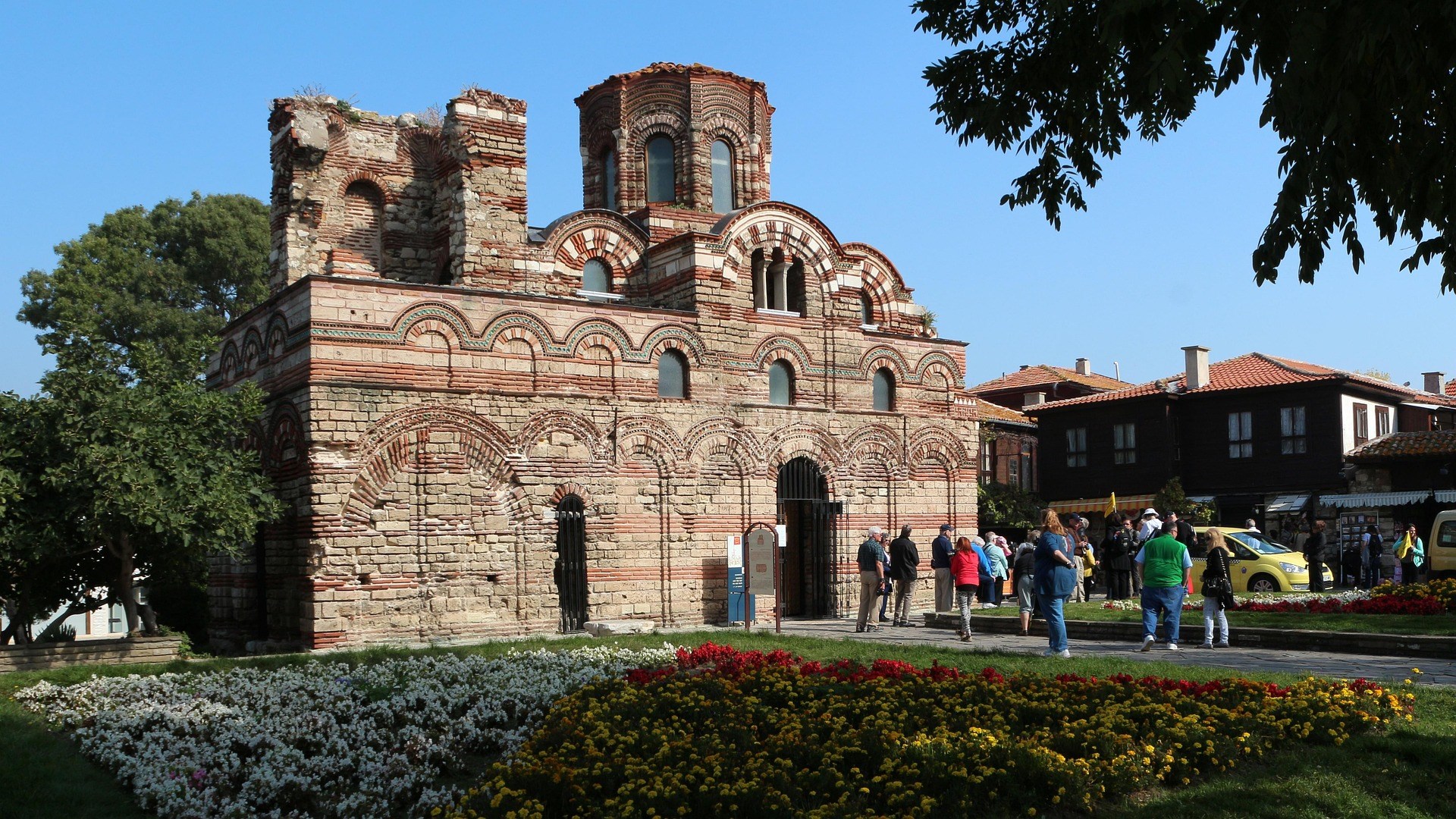
Nessebar
Nessebar is a town situated 38 km northeast of Bourgas on the coast of the Black Sea. The old quarter of town, situated on Nesebur Peninsula and linked to the mainland by a narrow neck of land, is an architectural and archaeological reserve.
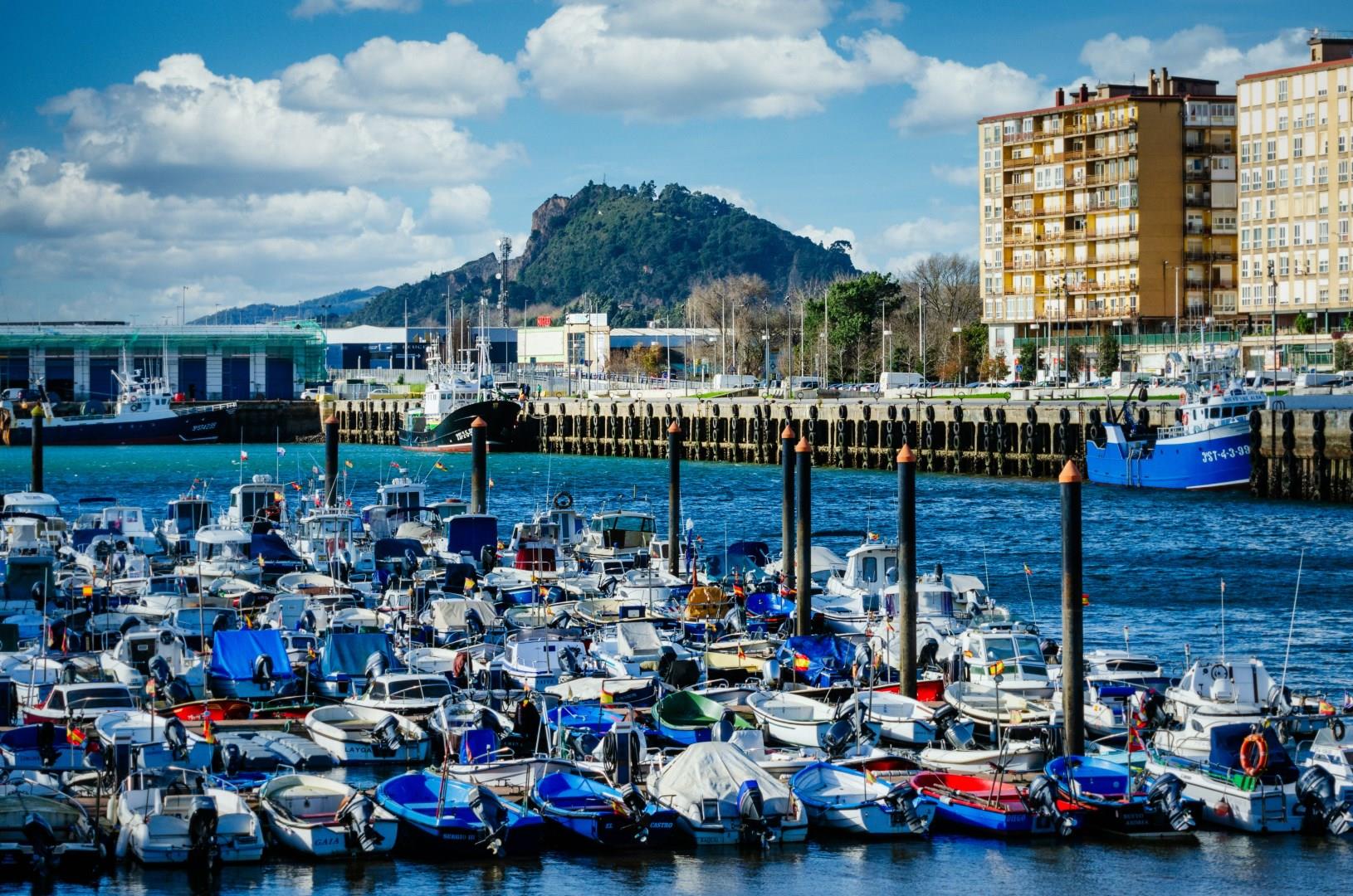
Santander
Santander, the capital of Spain’s Cantabria region, sits along the Bay of Biscay and offers travelers a mix of coastline, culture, and history shaped by centuries of maritime life. Once a bustling port for Castilian exports, Santander saw its golden age in the 19th century when Spanish royalty turned it into a summer retreat. The legacy of that era remains visible at the Palacio de la Magdalena, perched on a peninsula with views of the sea and home to royal stables, a mini zoo, and guided tours.
