

Mesa Verde National Park
Mesa Verde National Park, nestled in the southwestern corner of Colorado, offers an extraordinary journey into the ancient past of the Ancestral Puebloans. This UNESCO World Heritage Site is renowned for its remarkably well-preserved cliff dwellings, built into the sheer rock faces of the canyon walls.
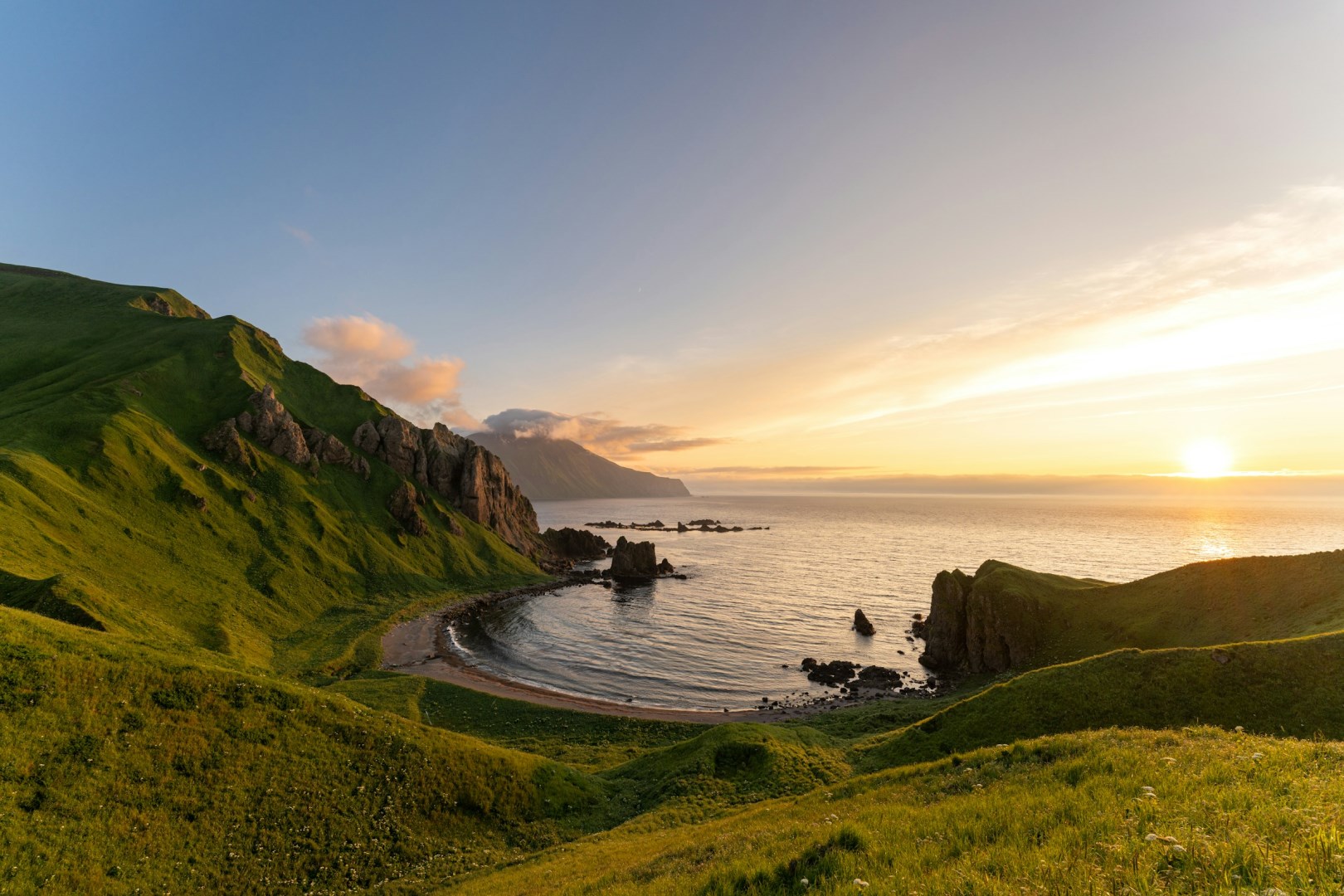
Adak Island
Adak Island lies in the central Aleutian Islands of southwest Alaska, where steep volcanic mountains meet the North Pacific. The community of Adak occupies a sheltered harbor on the island and is one of the few remote Aleutian locations accessible by commercial airline. Much of the island consists of open tundra, rugged slopes, coastal wetlands, and rocky shorelines shaped by strong winds and frequent rain.
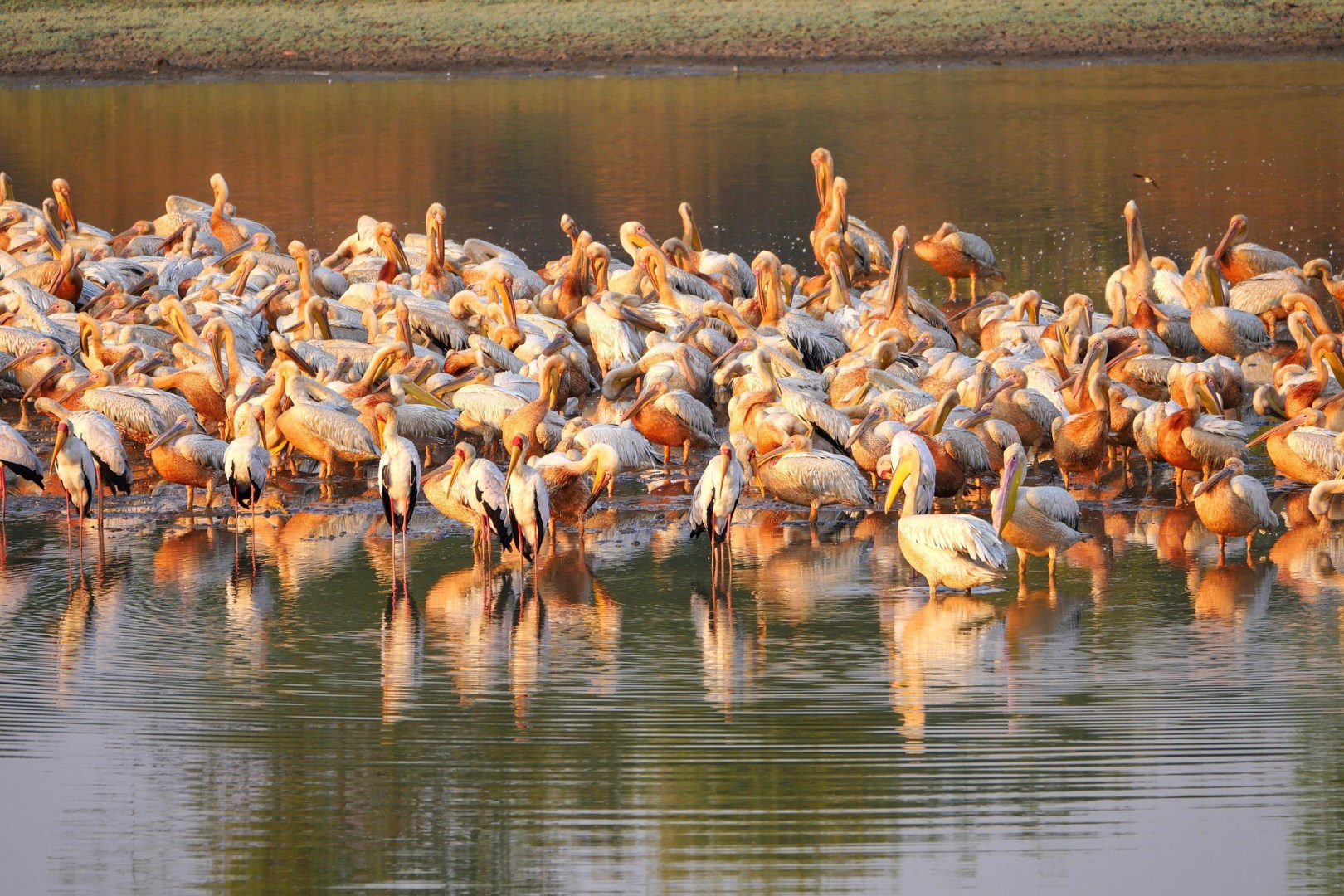
Lower Zambezi National Park
Lower Zambezi National Park is a protected area in eastern Zambia, lying along the northern bank of the Zambezi River opposite Zimbabwe’s Mana Pools. The park covers a broad area of woodland, open grassland, riverine forest, lagoons, and seasonal floodplains. The Zambezi is central to the landscape, providing water for wildlife and shaping habitats along the park’s southern boundary.
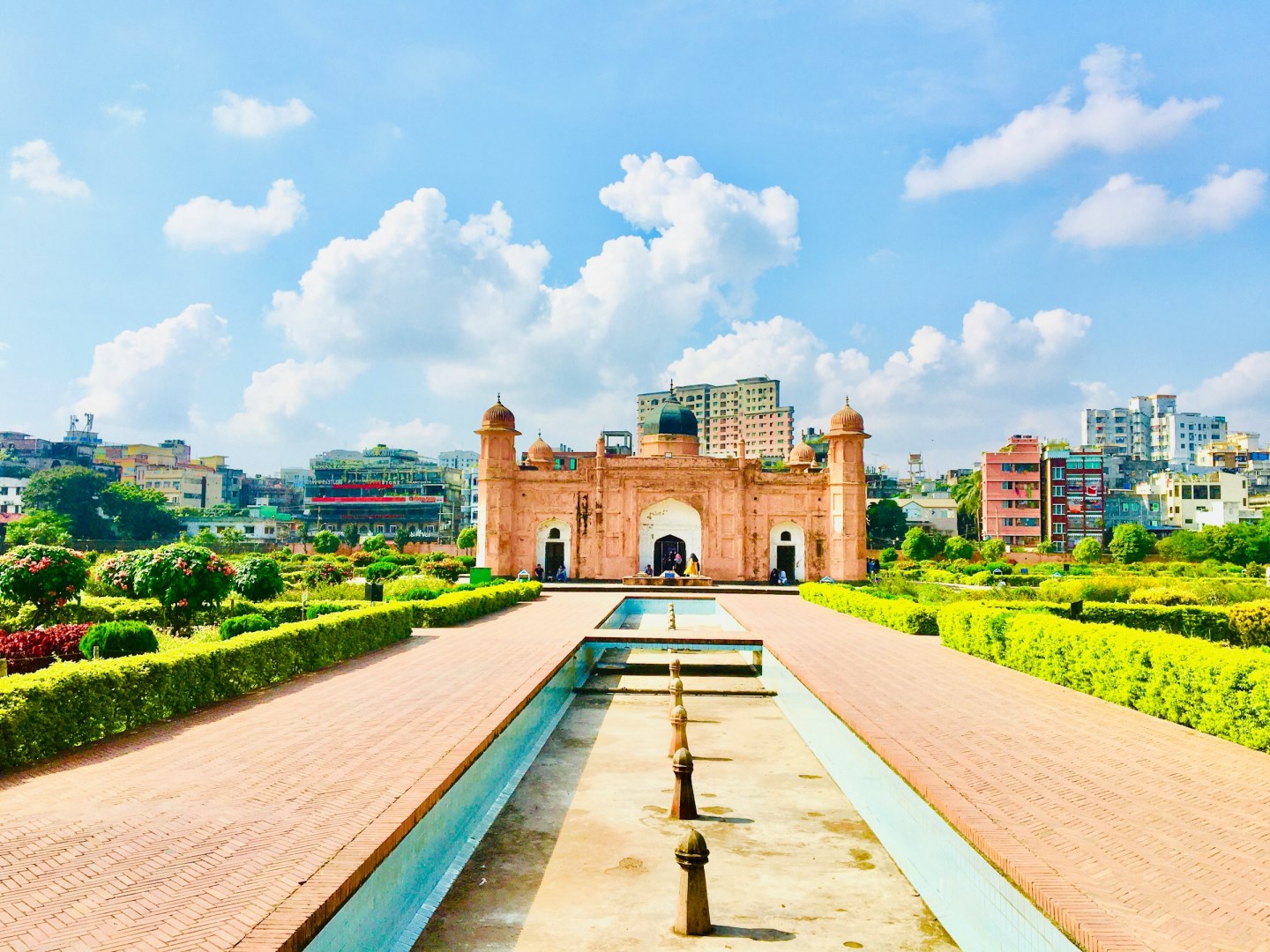
Dhaka
Dhaka, the capital of Bangladesh, is a city of striking contrasts where centuries-old traditions meet rapid modern growth. Known as the “City of Rickshaws,” it is famous for its vibrant street life, colorful cycle rickshaws, and markets that seem to run around the clock.
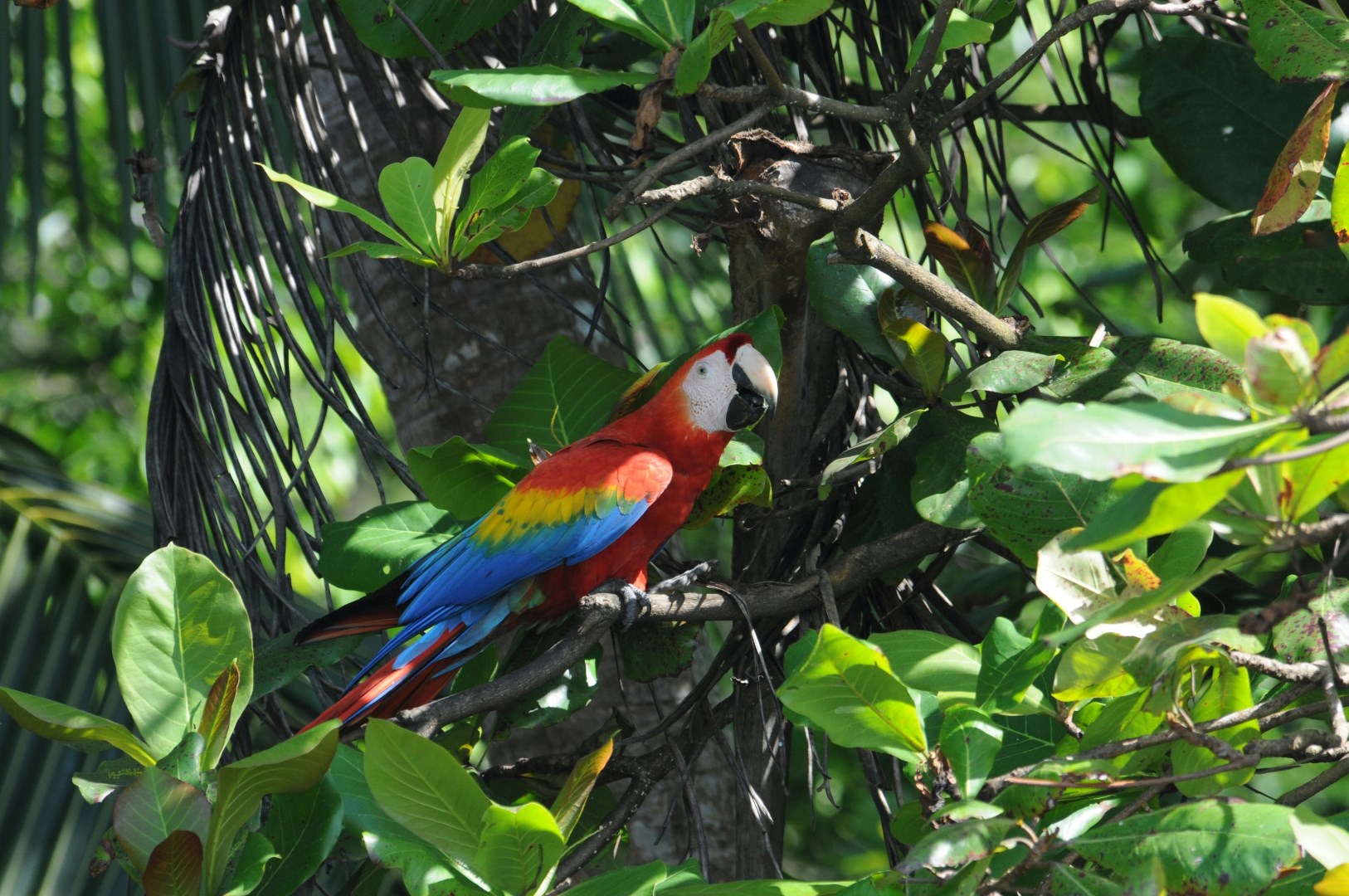
Corcovado
On the remote Osa Peninsula, Corcovado National Park unfolds as a vast stretch of rainforest meeting the Pacific Ocean. This protected area covers a large portion of the peninsula and is often described by scientists as one of the most biologically intense places on Earth. Dense jungle, quiet beaches, and winding rivers sit side by side, creating a landscape where visitors may walk from thick forest into open coastline within minutes.
