
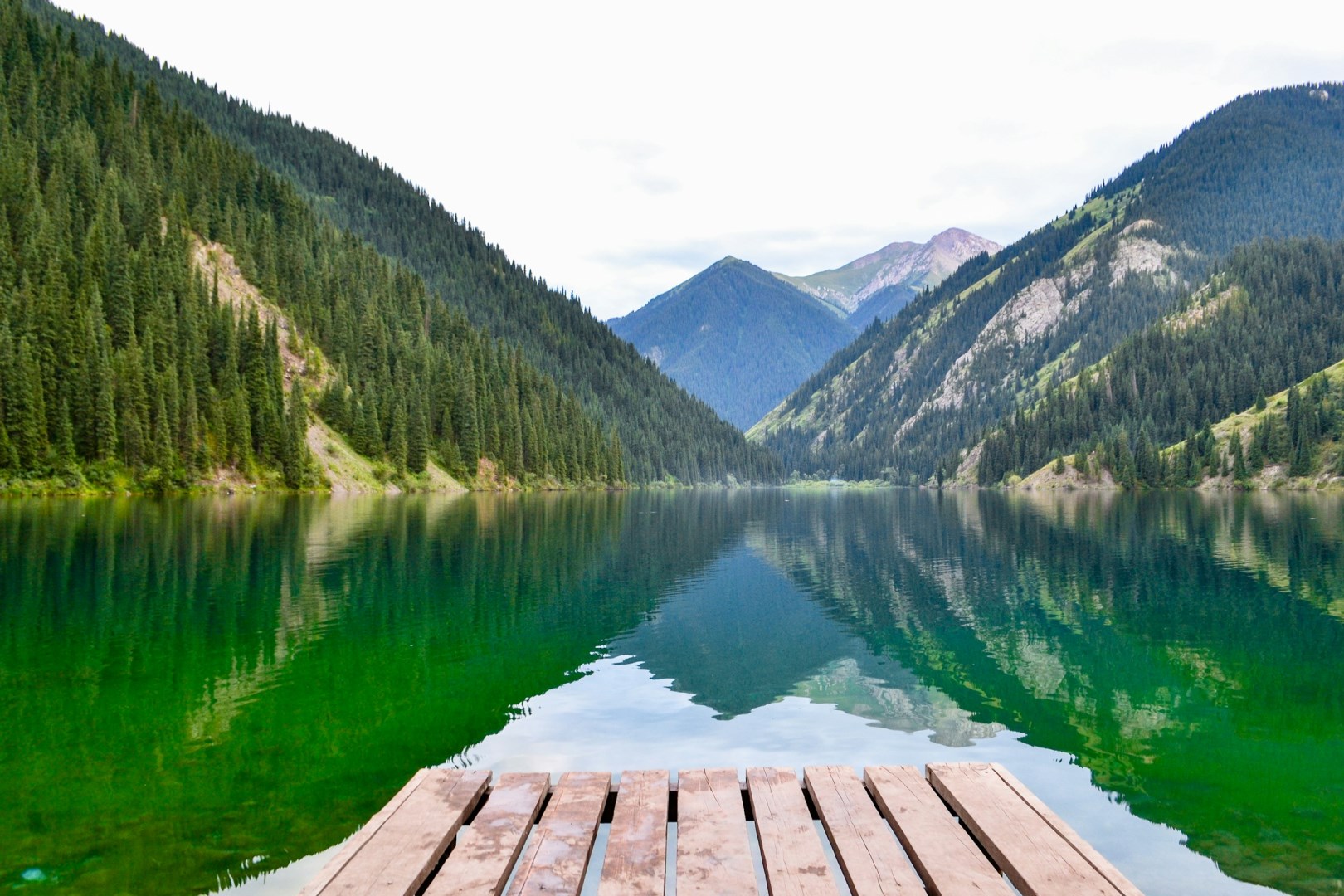
Kolsai Lakes National Park
Kolsai Lakes National Park is a protected mountain area in southeastern Kazakhstan, located in the northern Tian Shan east of Almaty. The park is centered on a chain of alpine lakes surrounded by steep forested slopes, rocky peaks, and mountain valleys. The three Kolsai Lakes occupy different elevations along the Kolsai River, with the landscape changing from coniferous forest at lower levels to alpine terrain higher in the mountains.
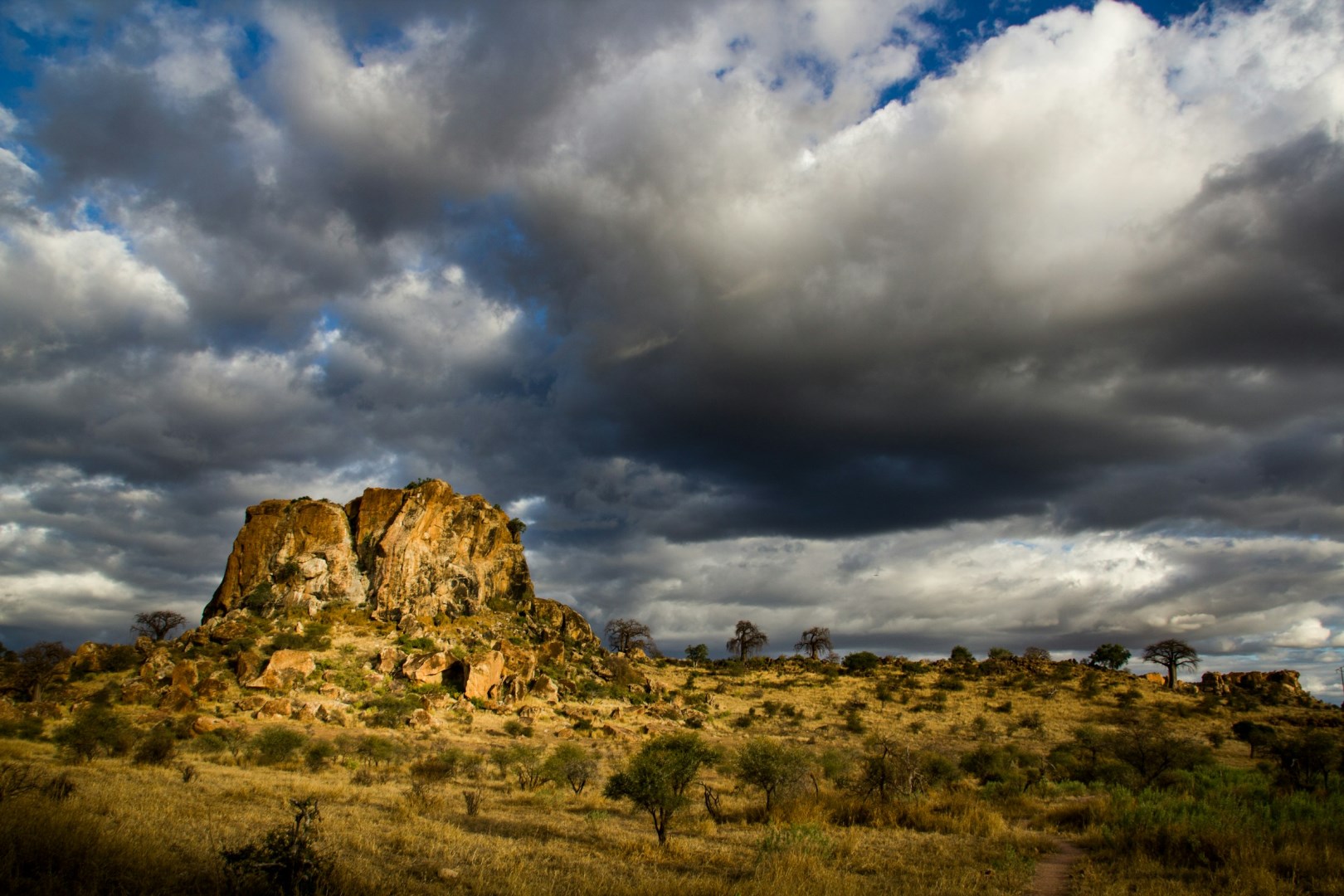
Mapungubwe National Park
Mapungubwe National Park lies in Limpopo province at the meeting point of the Limpopo and Shashe rivers, where South Africa borders Botswana and Zimbabwe. Its landscape combines open savanna, sandstone cliffs, baobab trees, riverine woodland, and rocky hills. The park forms part of the Mapungubwe Cultural Landscape, a UNESCO World Heritage Site recognized for its archaeological and cultural importance.

Galle
Galle, a coastal city in southern Sri Lanka, is a place where history and the sea are inseparably linked. Once a vital port on the spice trade routes, Galle reached its peak under Dutch colonial rule in the 17th century, when the massive Galle Fort was built.
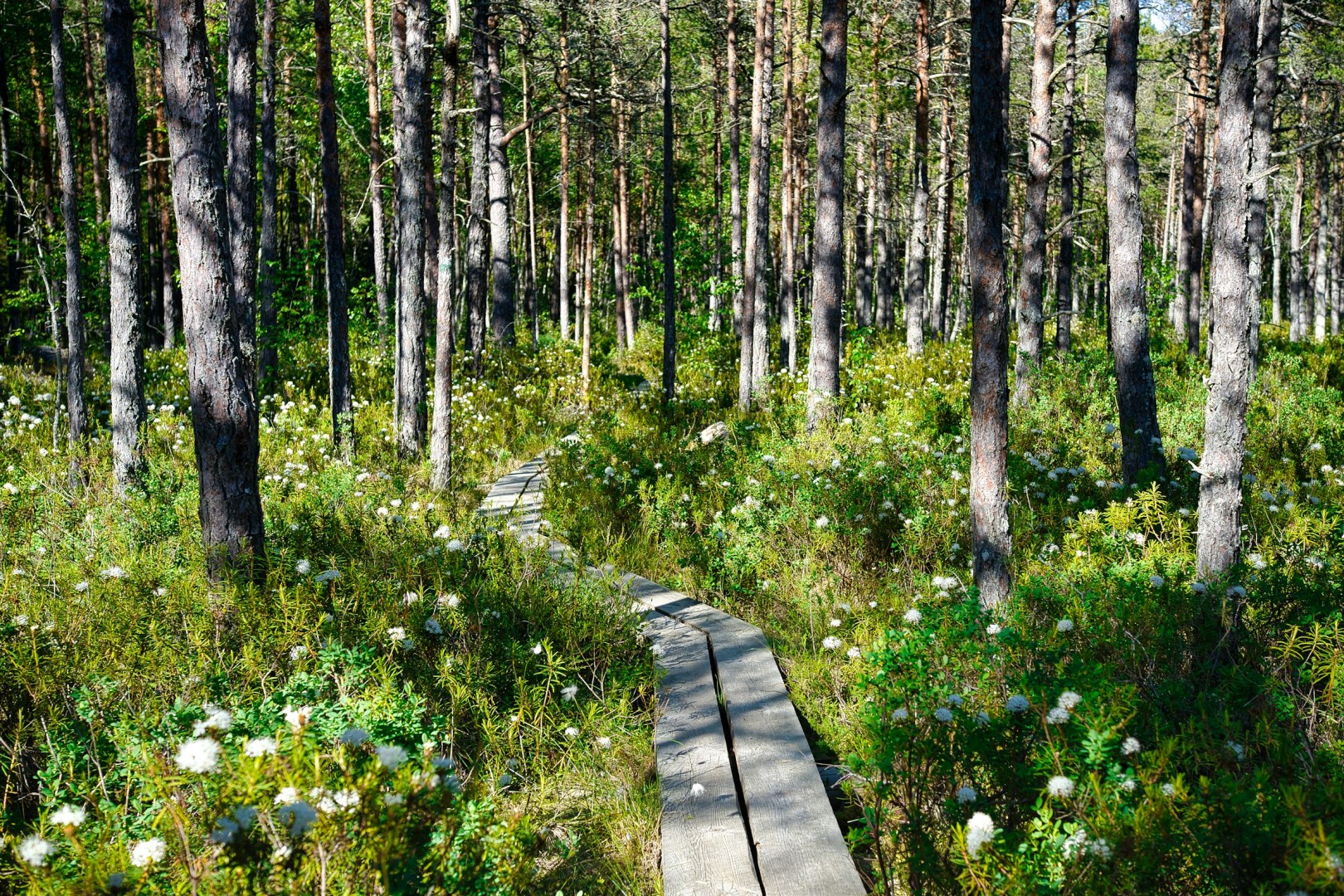
Lahemaa National Park
Lahemaa National Park is a large protected area on Estonia’s northern coast, facing the Gulf of Finland and combining forests, wetlands, rocky shores, sandy beaches, and small islands. It is Estonia’s oldest and largest national park, with landscapes that change noticeably between the coast and the inland forests. The park also protects cultural heritage, including traditional fishing villages, historic manor estates, and old farm landscapes.
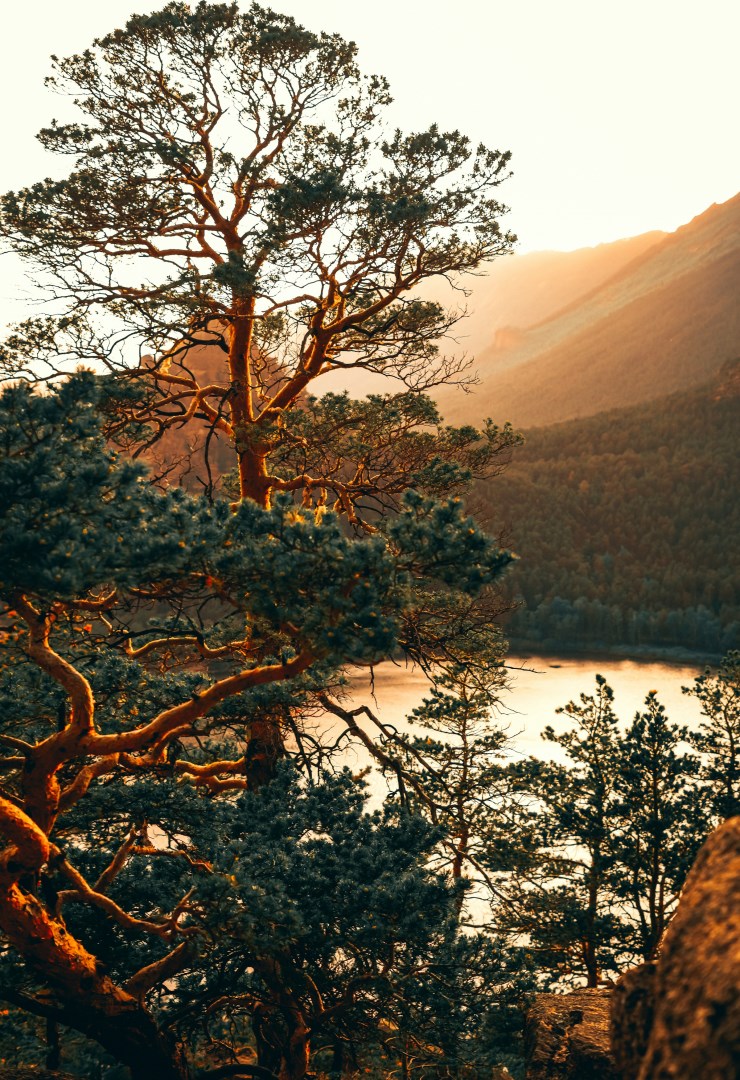
Burabay
Burabay is a resort area in northern Kazakhstan, located within Burabay National Park in Akmola Region. The area is known for its combination of granite mountains, pine forests, freshwater lakes, and open steppe. Lake Burabay, one of the region's best-known bodies of water, lies among wooded hills and distinctive rock formations.
