

Jodhpur
Jodhpur, often called the "Blue City" of India, is located on the edge of the Thar Desert in the state of Rajasthan. The city is famous for the blue-painted houses in its old quarter, which create a striking contrast against the golden hue of the desert landscape.
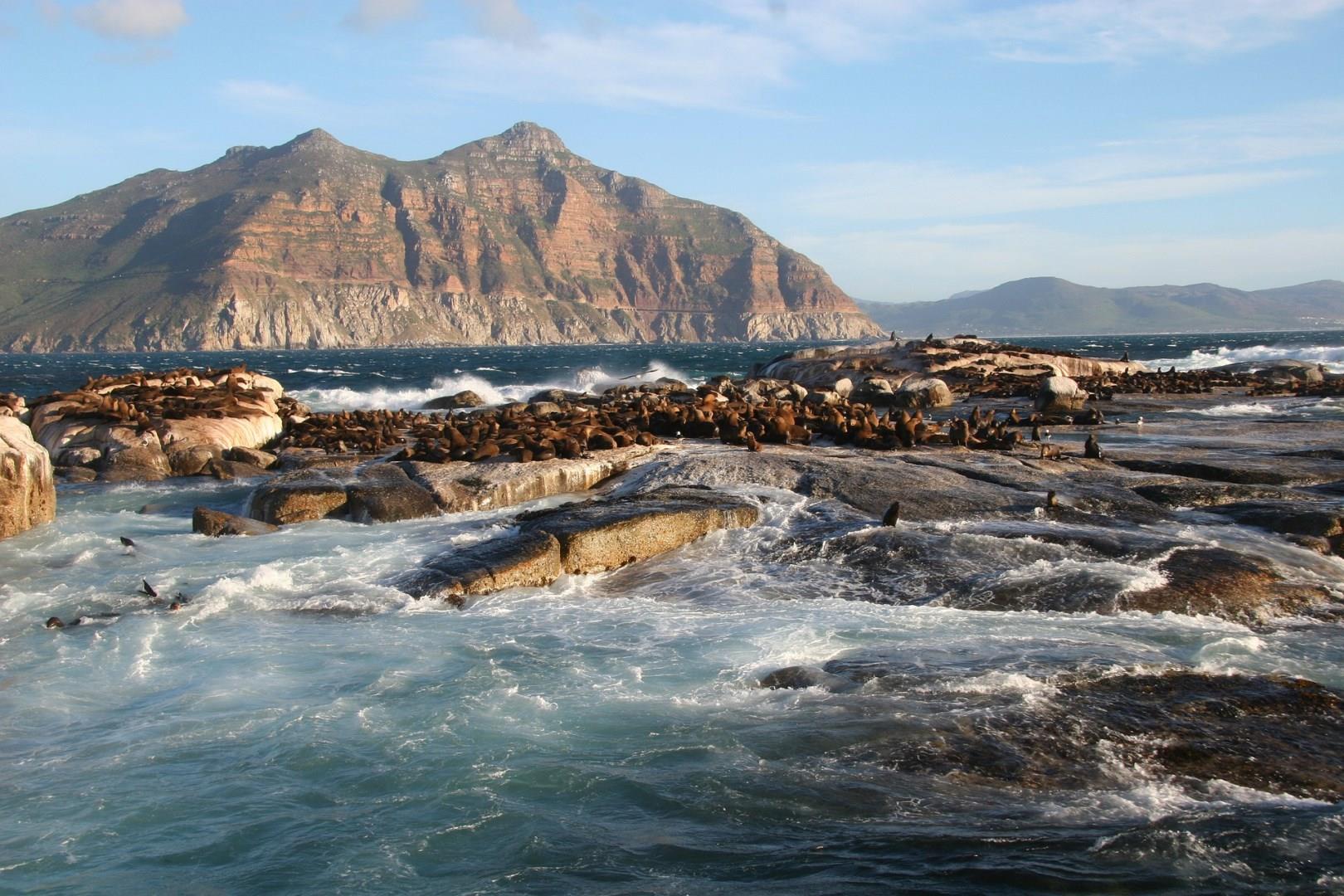
Duiker Island
Duiker Island, located off the coast of Hout Bay in Cape Town, South Africa, is a fascinating destination for nature lovers and adventure seekers alike. Known for its large population of Cape fur seals, the island provides a unique opportunity to observe these playful marine mammals in their natural habitat.
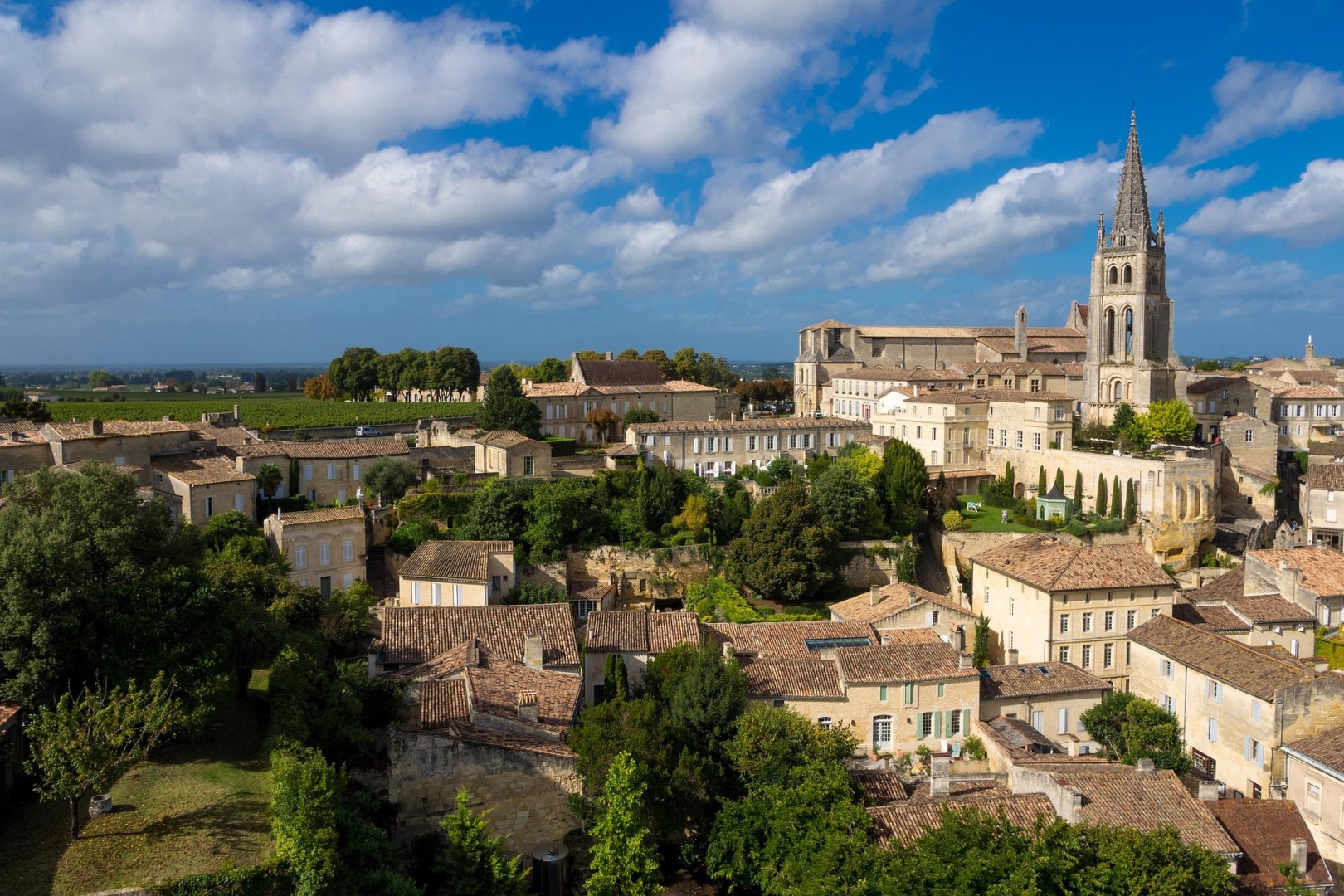
Saint-Émilion
Saint-Émilion, nestled in the heart of southwest France, is a living monument to centuries of craftsmanship, faith, and wine-making. Recognized as a UNESCO World Heritage Site since 1999, this medieval town sits on a limestone plateau surrounded by vineyards that date back to Roman times. Visitors can explore cobbled streets that wind past centuries-old stone houses, descend into underground catacombs carved by monks, and visit the astonishing Monolithic Church.
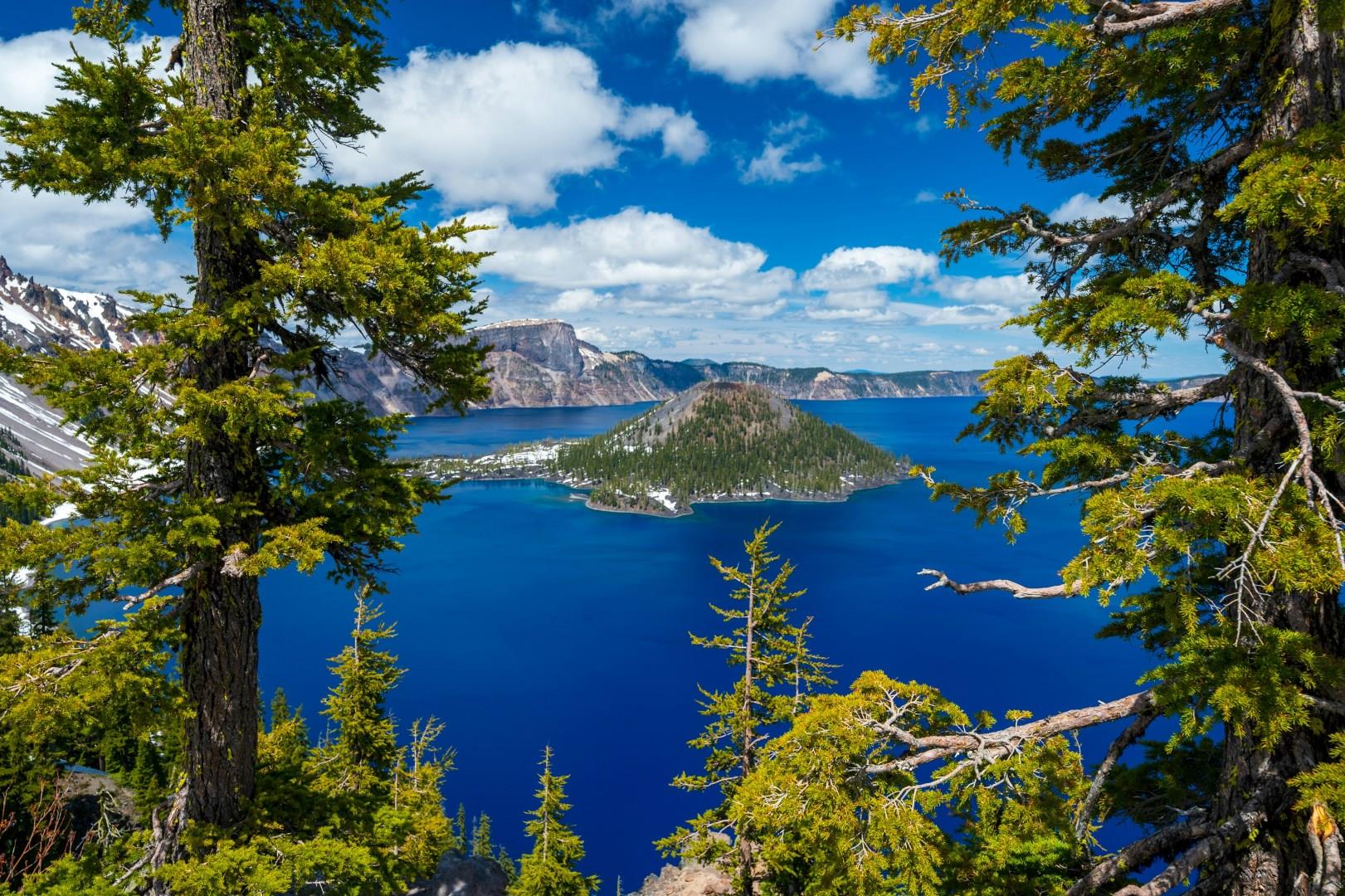
Crater Lake National Park
Crater Lake National Park, Oregon, offers a breathtaking display of natural beauty centered around the deepest lake in the United States. Formed by the collapse of a volcanic caldera, Crater Lake is renowned for its stunningly clear blue waters, which are the result of rain and snowfall filling the caldera. The lake's unique color and clarity are due to its depth and the purity of its water, making it a visual marvel that attracts visitors year-round.
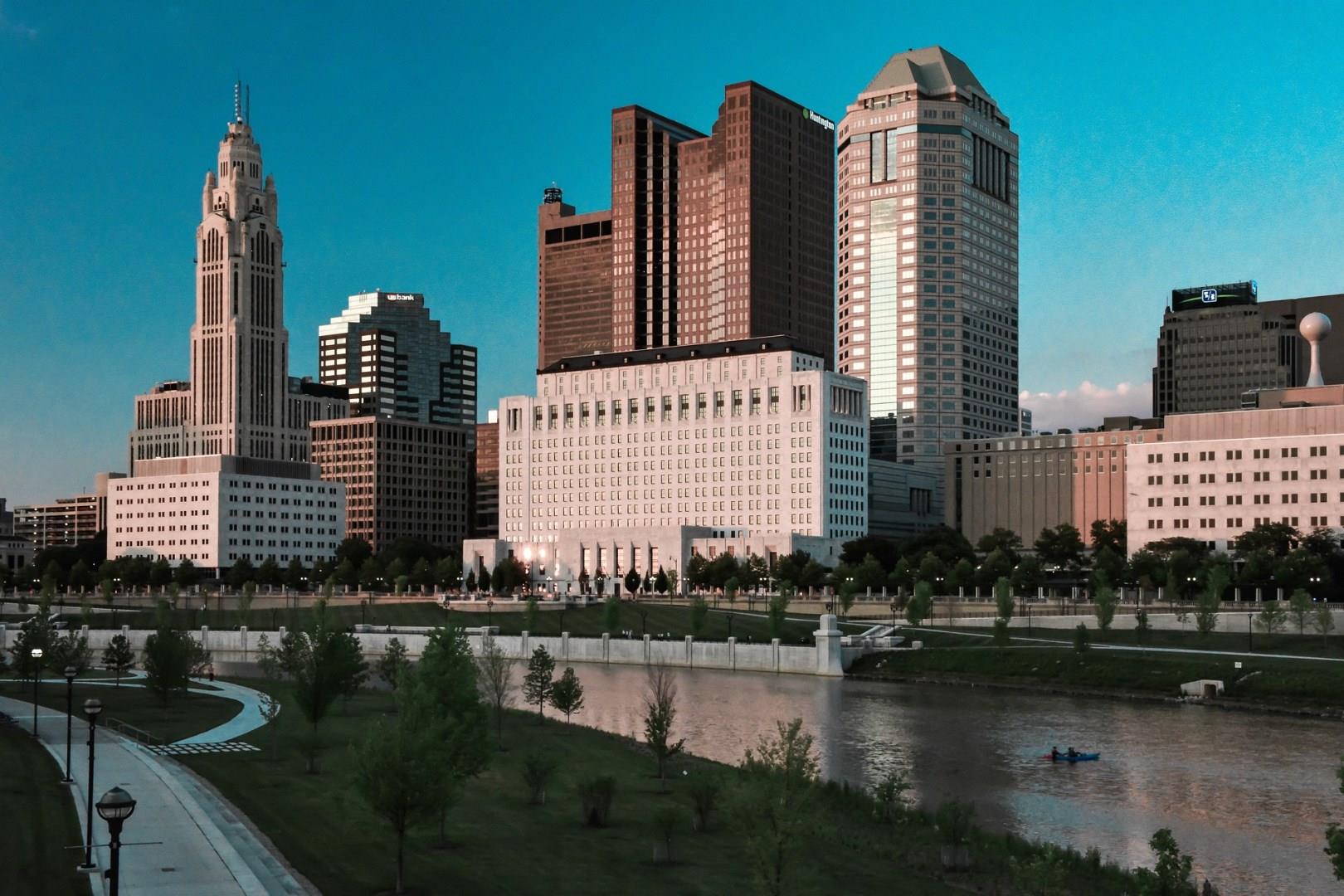
Columbus
Columbus, city and seat of Muscogee County, western Georgia, a port at the head of the Chattahoochee River, opposite Phenix City, Alabama. Columbus is a regional transportation, trade, cultural, and manufacturing hub. Its many textile, food-processing, and metalworking industries are powered by hydroelectric plants on the Chattahoochee River.
