

La Gomera
La Gomera, one of the Canary Islands, offers a unique and captivating escape with its lush landscapes and rich cultural heritage. Known for its dramatic terrain, the island is a haven for nature enthusiasts and hikers. The Garajonay National Park, a UNESCO World Heritage site, is the crown jewel of La Gomera, featuring dense laurel forests that date back to the Tertiary period.
Gulfport
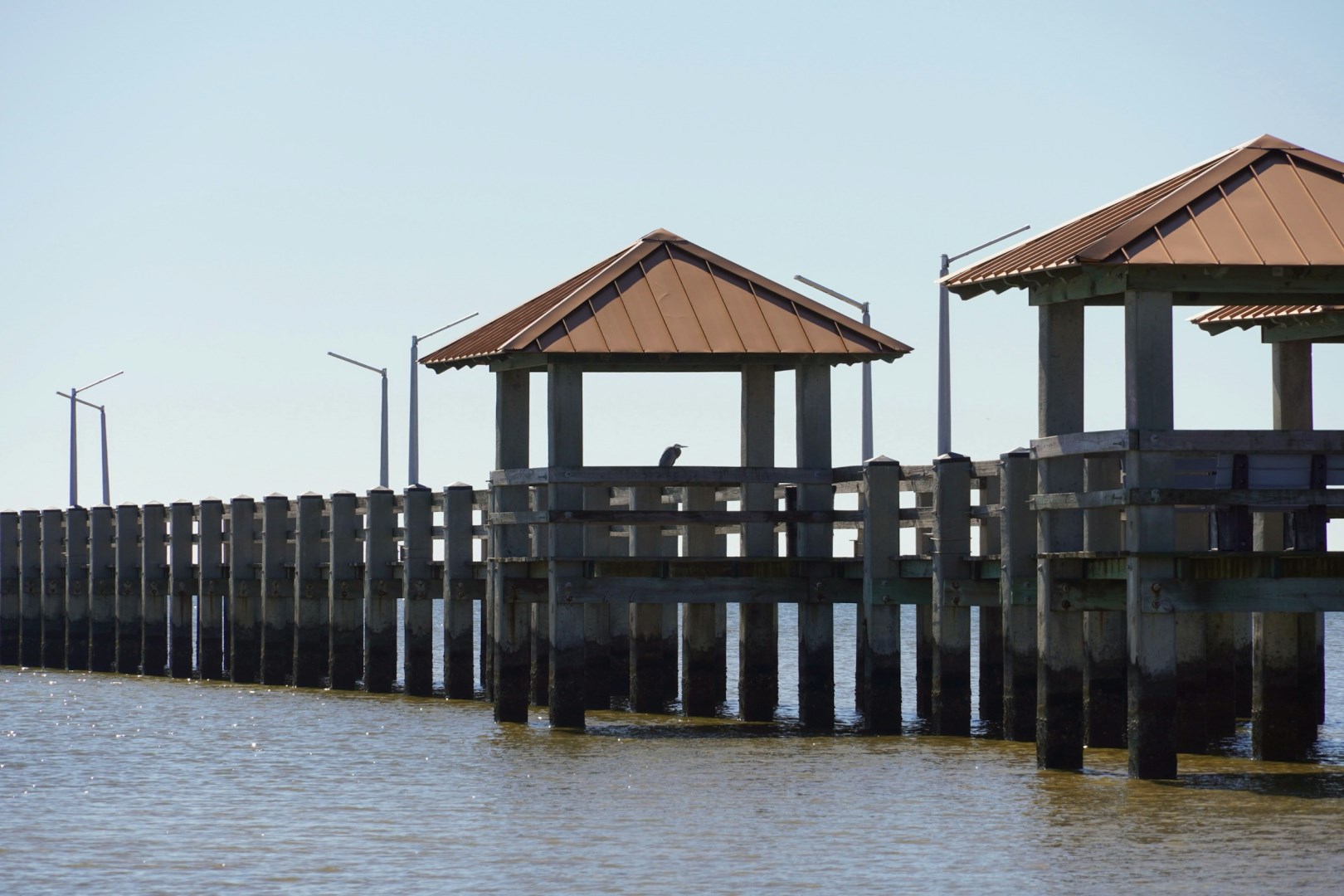
Gulfport, Mississippi, is the largest city on the Mississippi Gulf Coast and an important center for beaches, fishing, shipping, and coastal recreation. The city faces the Mississippi Sound, with barrier islands lying offshore and helping shape its relatively calm coastal waters. Gulfport Beach stretches along the shoreline with wide sandy areas, while the Port of Gulfport serves as a major deep-water shipping facility.
Levera Beach
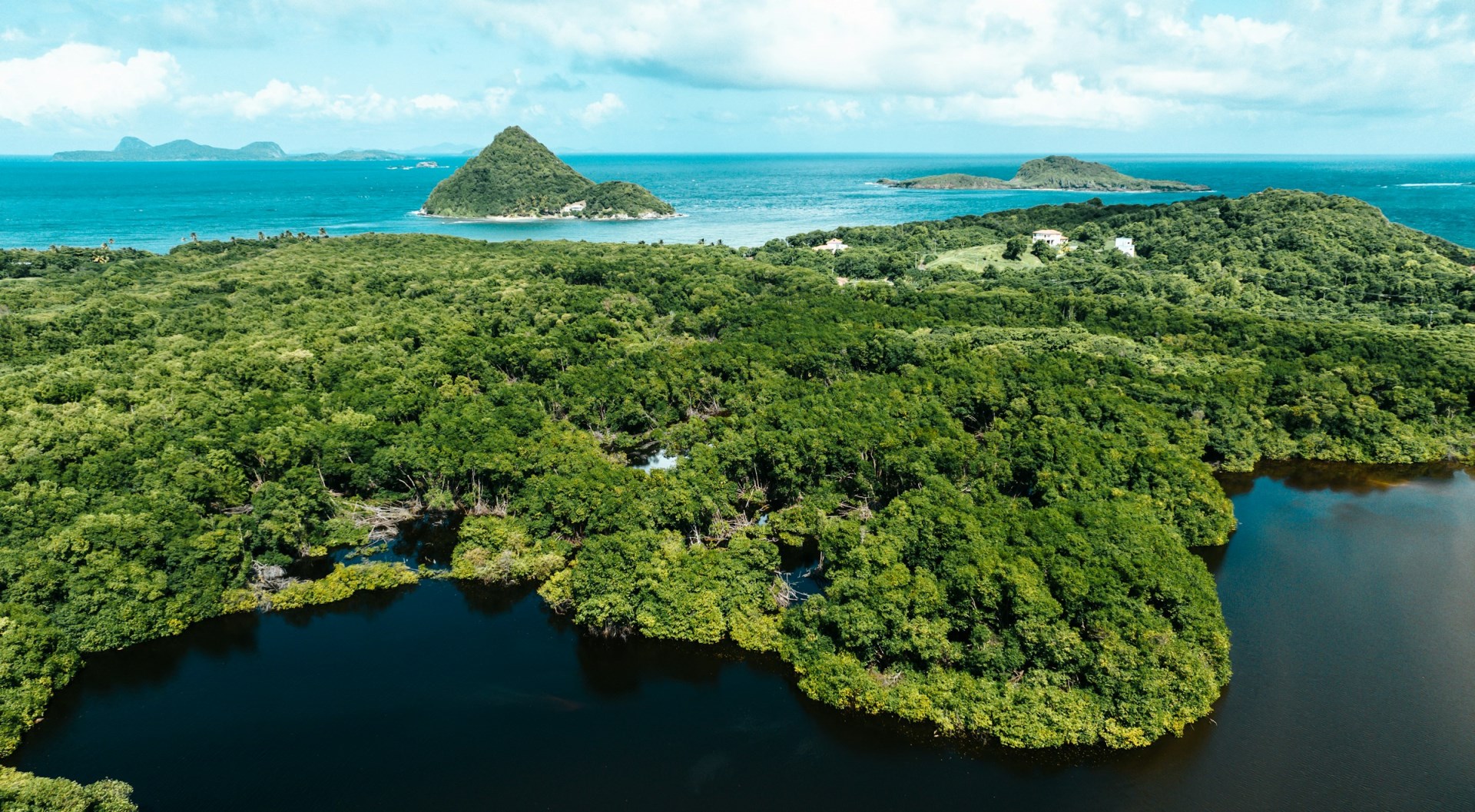
Levera Beach lies on Grenada’s northeastern coast, near the village of Sauteurs, where the island meets the Atlantic Ocean. The beach is backed by low hills, coastal vegetation, and open land, with views toward the small islands of the Grenadines offshore. Unlike the developed beaches around the southwest coast, Levera has a more natural setting and is part of the wider Levera National Park landscape.
Hawaii
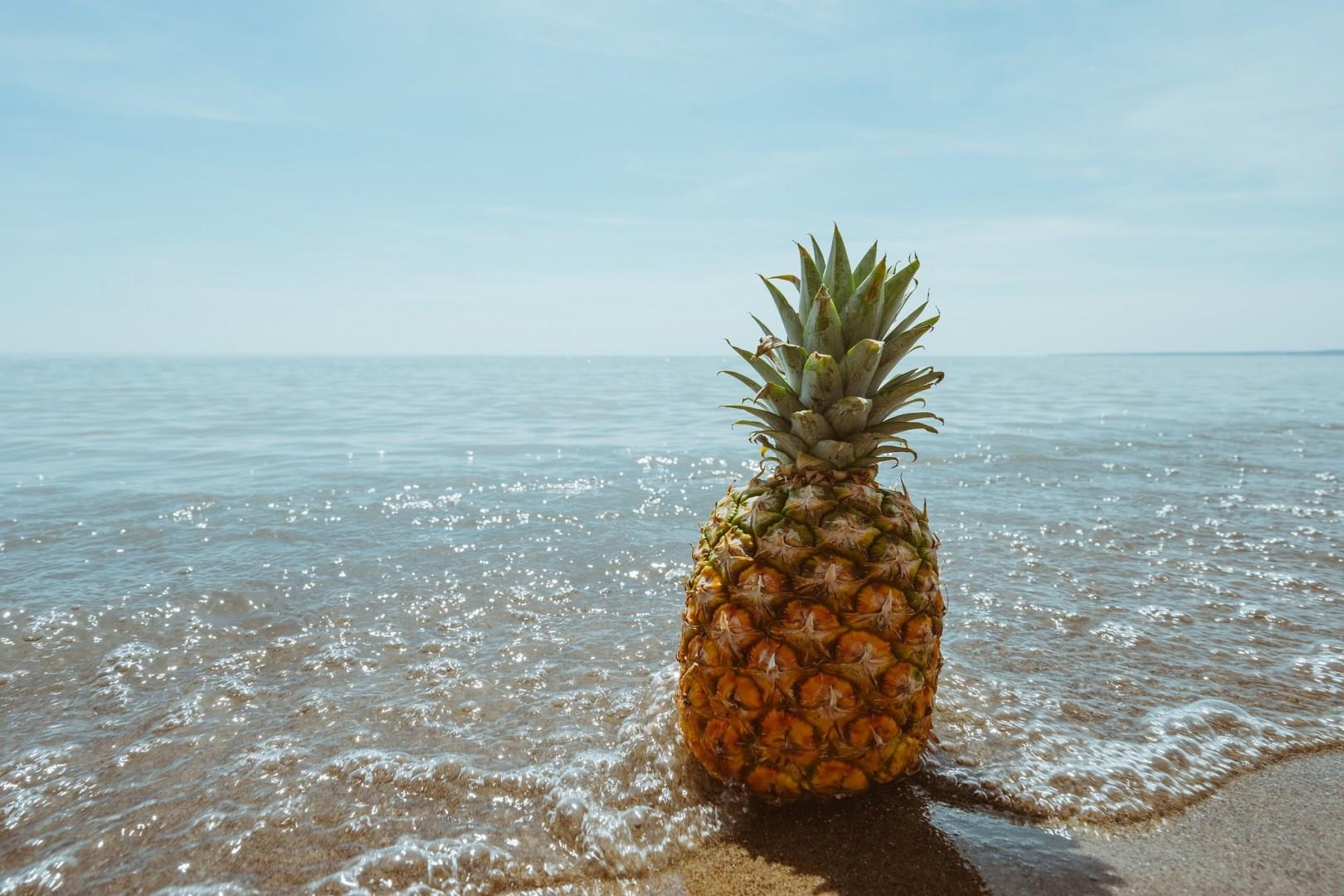
Hawaii, an archipelago in the central Pacific, offers a kaleidoscope of natural beauty and cultural experiences that make it a premier travel destination. The island of Oahu, home to the vibrant city of Honolulu, is renowned for its iconic beaches like Waikiki, where the golden sands and azure waters create a perfect backdrop for surfing and sunbathing
Santiago Island
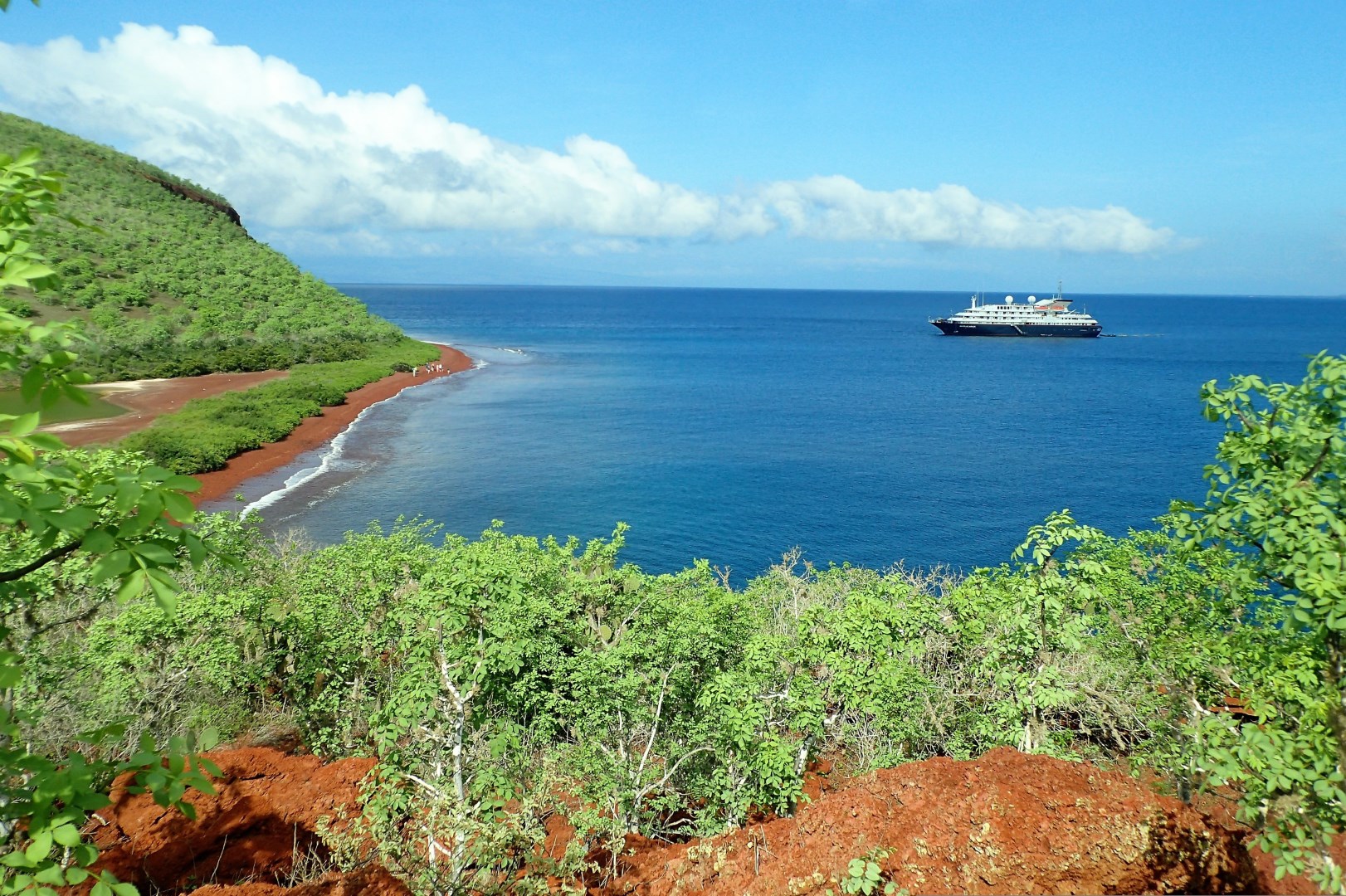
Set in the heart of the Galápagos archipelago, Santiago Island offers a raw and untamed landscape shaped by volcanic forces. Unlike more developed islands in the region, Santiago remains largely uninhabited, giving visitors a rare look at ecosystems that have evolved with minimal human presence. Its coastline shifts from black lava fields to soft sandy beaches, while inland trails reveal hardened flows and scattered vegetation slowly reclaiming the terrain.
