

Stone Town
As a UNESCO World Heritage site, Stone Town boasts narrow, winding streets lined with towering stone buildings adorned with beautifully carved wooden doors, reflecting its rich history as a major trading hub.

Kamloops
Kamloops, located in the interior of British Columbia, sits at the meeting point of the North and South Thompson Rivers. The name comes from the Secwépemc word “Tk’emlúps,” meaning "where the rivers meet," and the area has been a gathering place for Indigenous communities for thousands of years. Today, visitors can explore this rich cultural heritage at the Secwépemc Museum and Heritage Park, where trails lead through archaeological sites and reconstructed pit houses.

Mazatlán
Located on the coast of Sinaloa, Mexico, Mazatlán is a trendy resort town with spectacular beaches and thrilling nightlife. Centro Histórico (Old Town) and Plazuela Machado are replete with colorful, newly-restored neoclassical buildings.
Falkland Islands
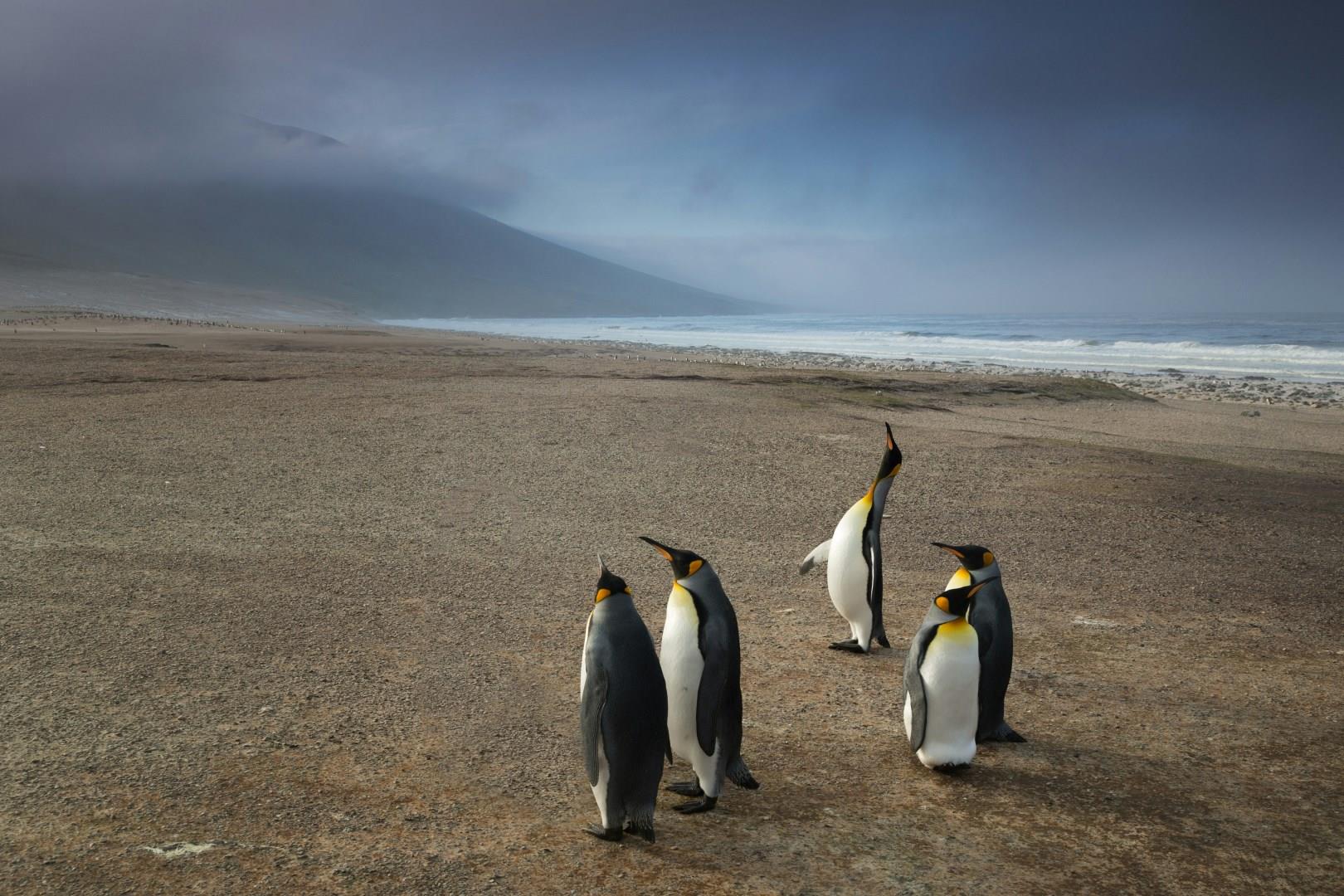
The Falkland Islands, a remote archipelago in the South Atlantic, offer a striking combination of wild open spaces, rich wildlife, and a way of life shaped by wind, sea, and resilience. With fewer than 3,500 residents spread across over 700 islands, the Falklands provide a rare opportunity to disconnect from busy modern life and connect with wide skies, rugged coastlines, and some of the most accessible wildlife experiences on the planet.
El Cuco
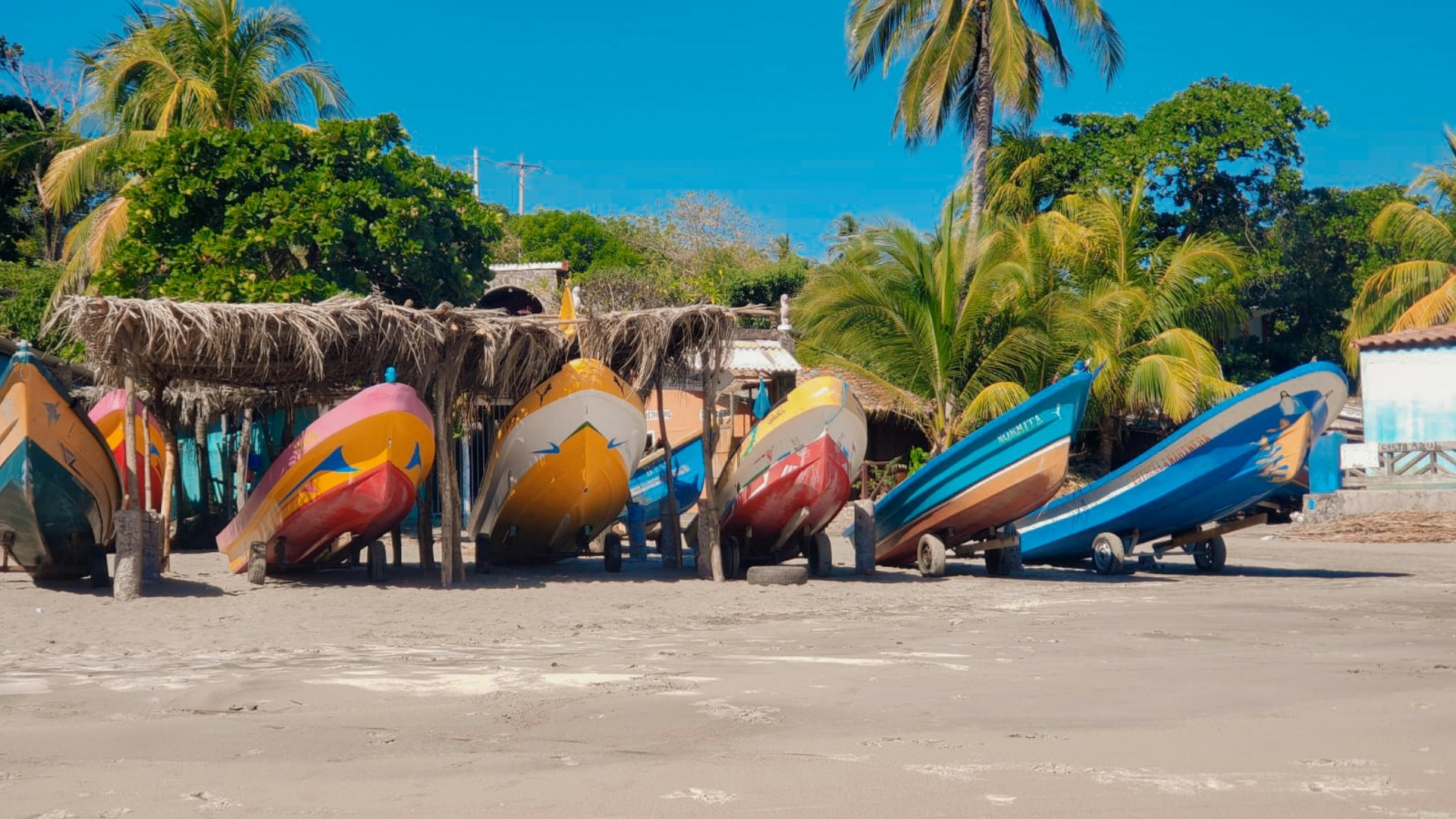
El Cuco is a small coastal community in the department of San Miguel, on El Salvador's eastern Pacific coast. It is known for its long sandy beach, volcanic black sand, warm waters, and setting between the Pacific Ocean and the forested foothills of the Sierra Tecapa-Chinameca range. The area is less urbanized than the country's larger coastal centers, with small hotels, restaurants, guesthouses, and fishing businesses spread around the shoreline.
