

Cienfuegos
Cienfuegos, located on Cuba’s south coast along a sheltered bay, stands apart from many other Cuban cities due to its distinct European origins. Founded in 1819 by French settlers, the city developed with a carefully planned layout, wide avenues, and neoclassical architecture that earned it the nickname “La Perla del Sur.”

Cartagena
Cartagena is a port city on Spain’s southeastern Mediterranean coast, in the Region of Murcia, where a sheltered harbor is surrounded by hills and historic neighborhoods. Its strategic position has made it an important maritime center for successive civilizations, leaving an unusually rich archaeological and architectural landscape. The modern city combines a busy waterfront with a compact historic center, where Roman remains stand alongside military buildings and modernist architecture.
Cabo Rojo
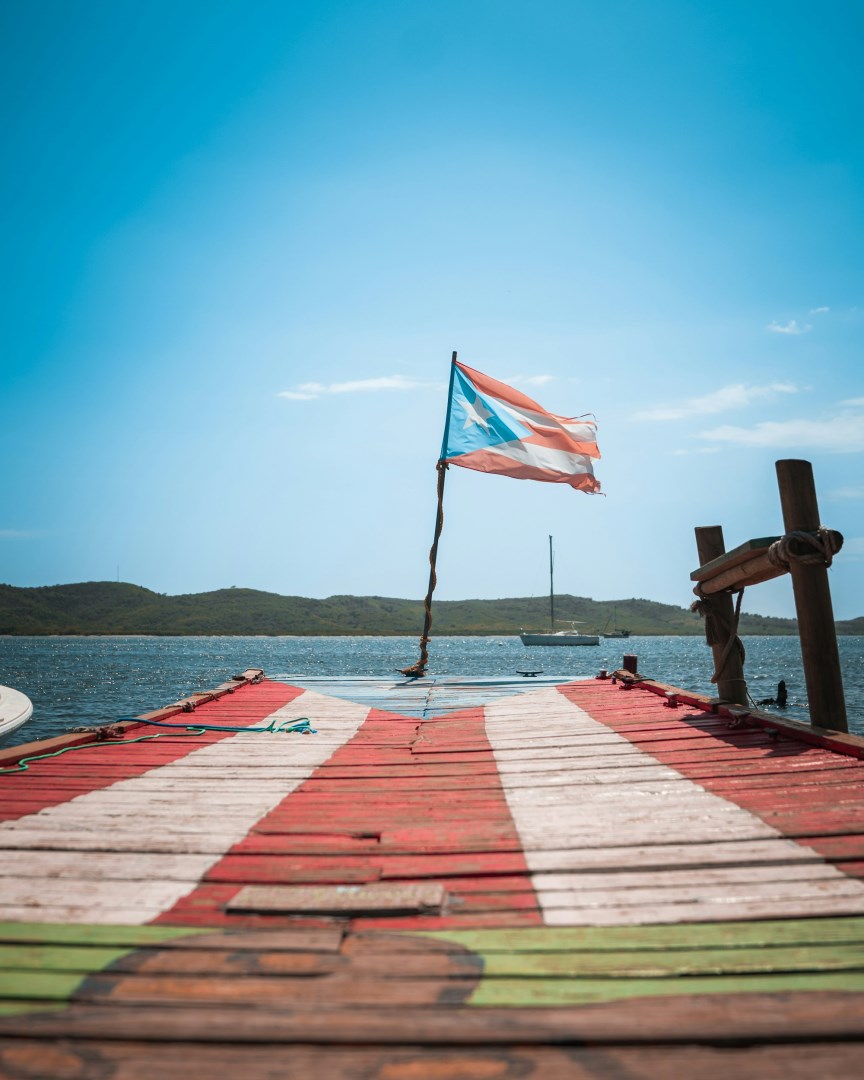
Cabo Rojo, located on the southwestern coast of Puerto Rico, is a region of striking natural contrasts where salt flats, mangroves, and limestone cliffs meet the sparkling Caribbean Sea. Its most iconic feature is the Cabo Rojo Lighthouse perched on dramatic cliffs overlooking the ocean, offering panoramic views of turquoise waters and nearby beaches.
Pacific Harbour
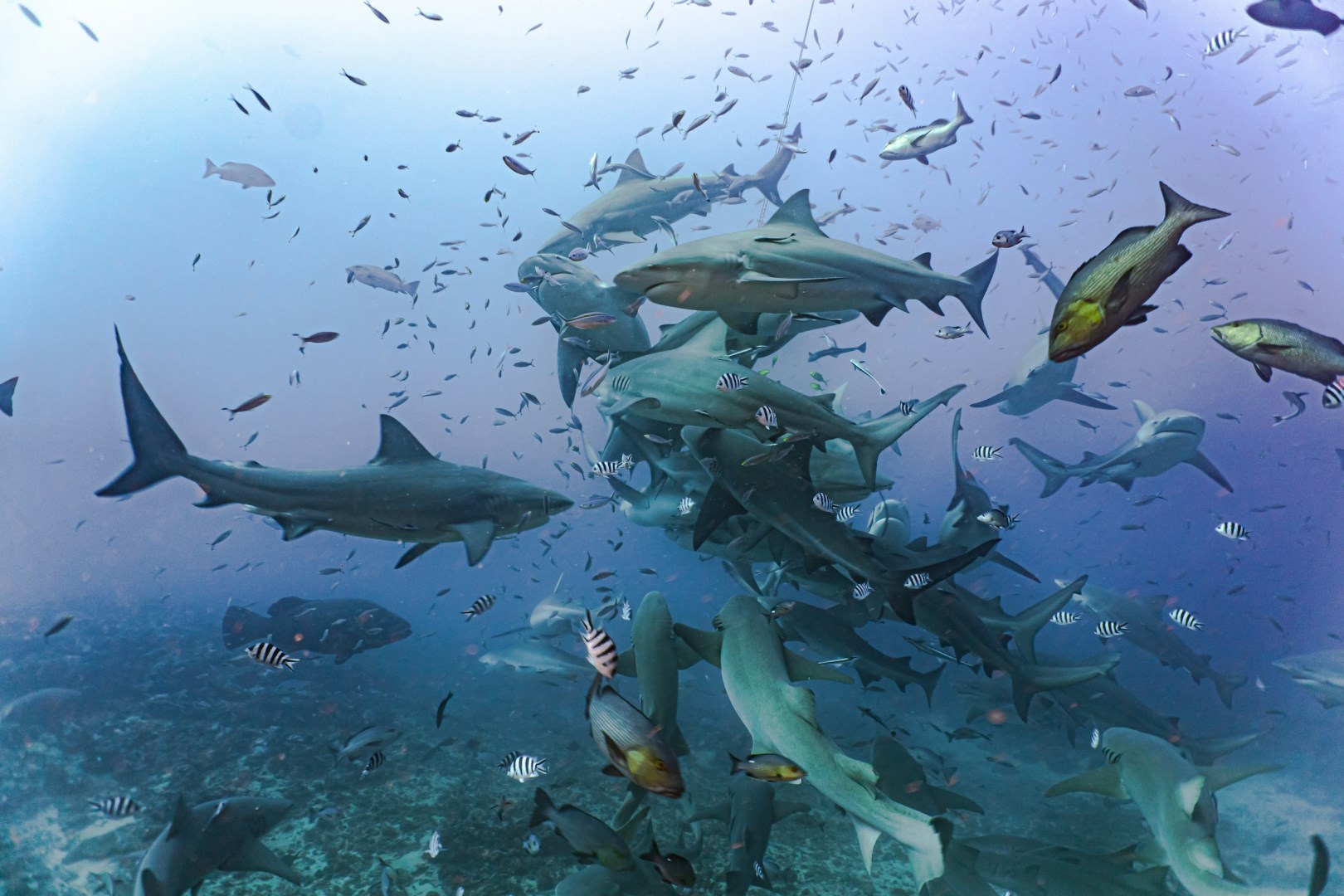
Pacific Harbour, located on the southern coast of Viti Levu in Fiji, is known as the country’s “Adventure Capital.” Once envisioned as a luxury resort community, it has evolved into a dynamic destination that blends tropical relaxation with outdoor excitement.
Gyeongju-si
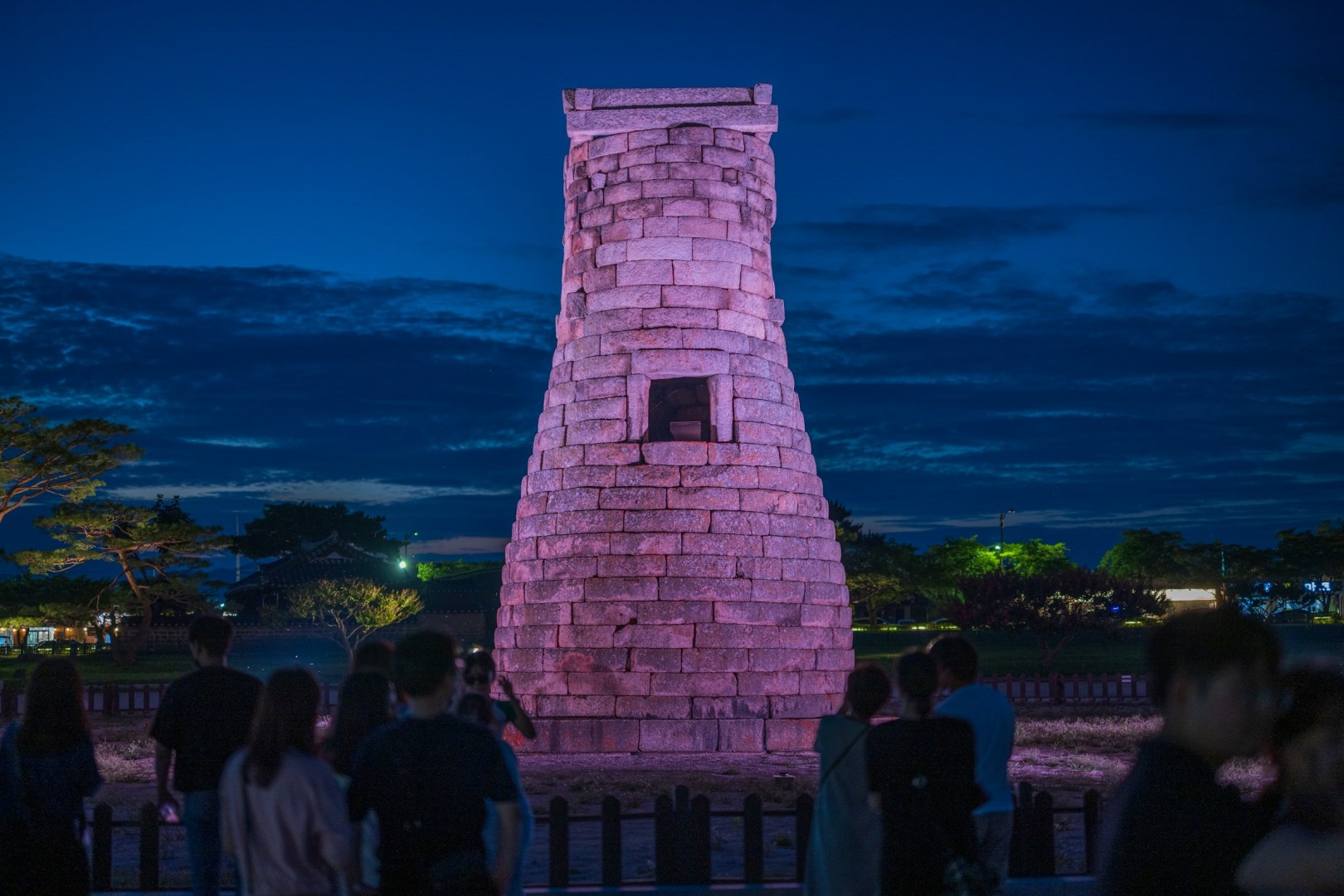
Gyeongju-si is a historic city in southeastern South Korea known for its close connection with the Silla kingdom and its concentration of archaeological sites, temples, royal tombs, and Buddhist monuments. Much of the city’s heritage is spread across open landscapes rather than confined to a single historic center. The Gyeongju Historic Areas include Mount Namsan, the Wolseong area, royal tomb complexes, and the remains of major temples and palaces.
